On-Page vs Off-Page SEO: A Complete Guide for Beginners
If you want your website to rank higher on Google, you need to understand On-Page vs Off-Page SEO. These are the two main pillars of search engine optimization. Without them, your content may never reach the right audience.
In this guide, we will break down both types of SEO in simple words. You will learn what they mean, why they matter, and how to use them together.
What Is On-Page SEO?
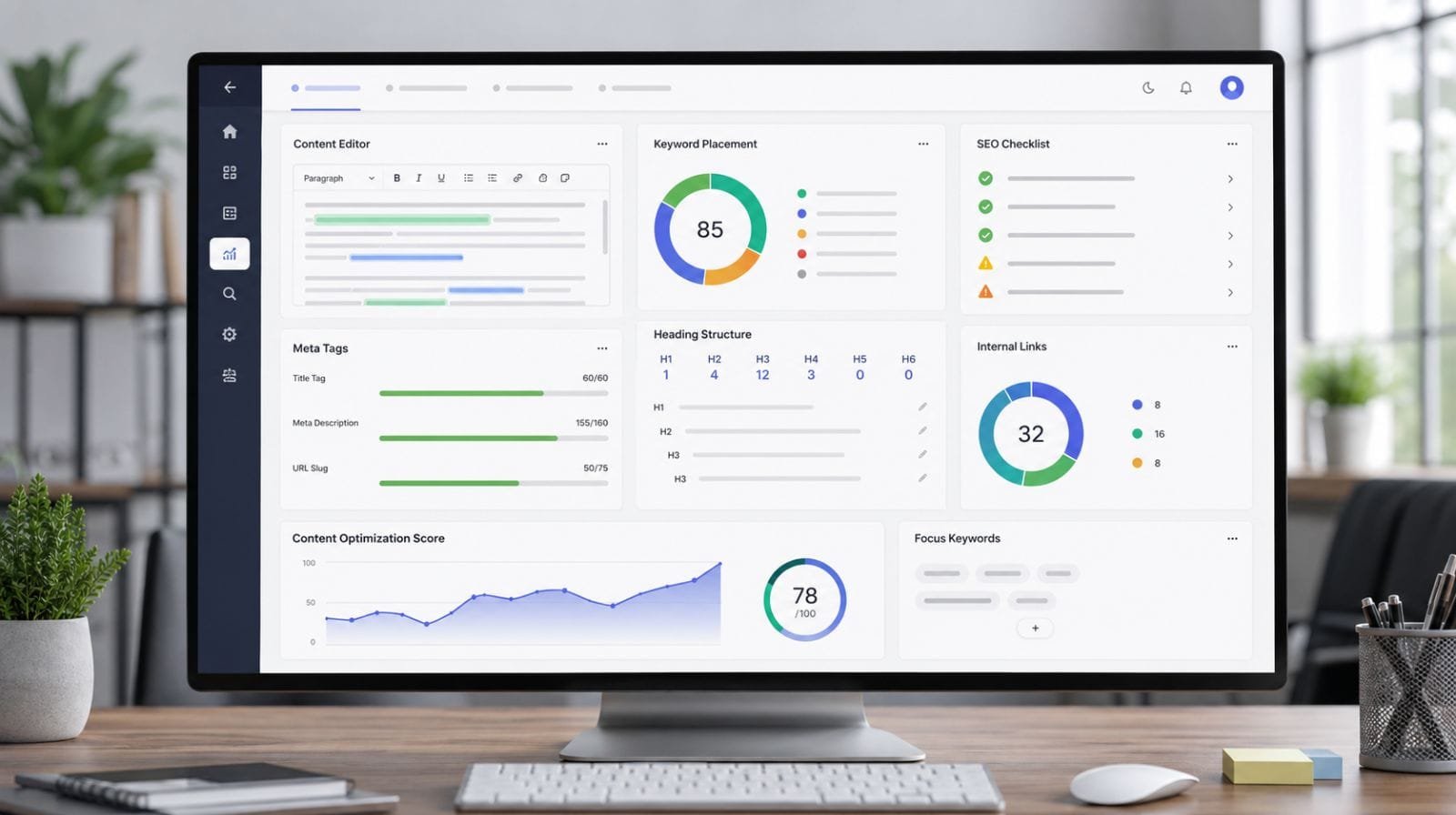
On-page SEO means everything you do directly on your website to improve rankings. It includes your content, structure, and technical setup.
This type of SEO is fully in your control. You can edit it anytime.
Why On-Page SEO Matters
Search engines need to understand your page. On-page SEO helps them read your content correctly.
It also improves user experience. Happy users stay longer on your site. This sends a good signal to Google.

Key Elements of On-Page SEO
Here are the most important on-page factors:
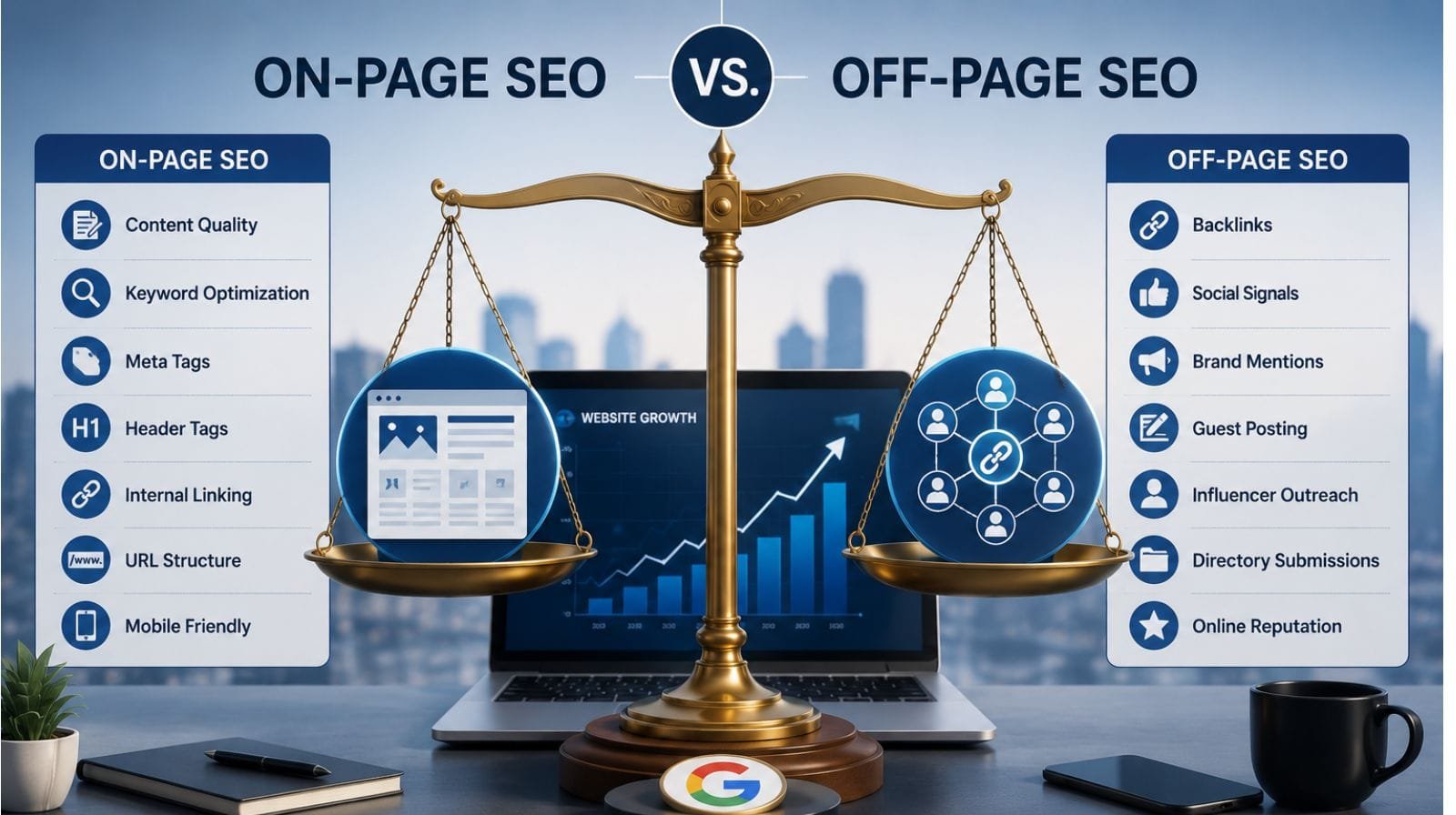
- Title tags: Use your main keyword naturally in the title.
- Meta descriptions: Write short summaries that attract clicks.
- Headings (H1, H2, H3): Organize content for readers and search engines.
- Keyword placement: Add keywords naturally, not forced.
- Content quality: Write helpful, original, and clear content.
- Internal linking: Link to other pages on your site.
- Image optimization: Use alt text and compress images.
- URL structure: Keep URLs short and descriptive.
- Mobile-friendliness: Your site must work well on phones.
- Page speed: Fast-loading pages rank better.

How to Improve On-Page SEO
Start with keyword research. Find what your audience searches for.
Then, write content that answers their questions fully. Use simple language. Break text into short paragraphs.
Add related terms (LSI keywords) like “search engine ranking,” “website visibility,” and “organic traffic.” These help Google understand your topic better.
Finally, check your site speed and mobile design. Fix any technical issues.

What Is Off-Page SEO?
Off-page SEO refers to actions taken outside your website. These actions build your site’s authority and trust.
The most common off-page activity is link building. But it’s not the only one.

Why Off-Page SEO Matters
Google wants to show trustworthy results. When other websites link to you, it acts like a vote of confidence.
More quality votes mean more trust. More trust means higher rankings.
Key Elements of Off-Page SEO
Here are the main off-page factors:
- Backlinks: Links from other websites to yours.
- Social media signals: Shares, likes, and mentions.
- Brand mentions: When people talk about your brand online, even without a link.
- Guest posting: Writing articles for other websites.
- Influencer outreach: Partnering with influencers in your niche.
- Online reviews: Positive reviews build trust.
- Forum participation: Answering questions on platforms like Reddit or Quora.

How to Improve Off-Page SEO
Focus on earning backlinks naturally. Create content that people want to share.
Reach out to bloggers and websites in your industry. Offer to write guest posts.
Build your brand on social media. Engage with your audience regularly.
Encourage happy customers to leave reviews. This boosts trust signals.
On-Page vs Off-Page SEO: Key Differences
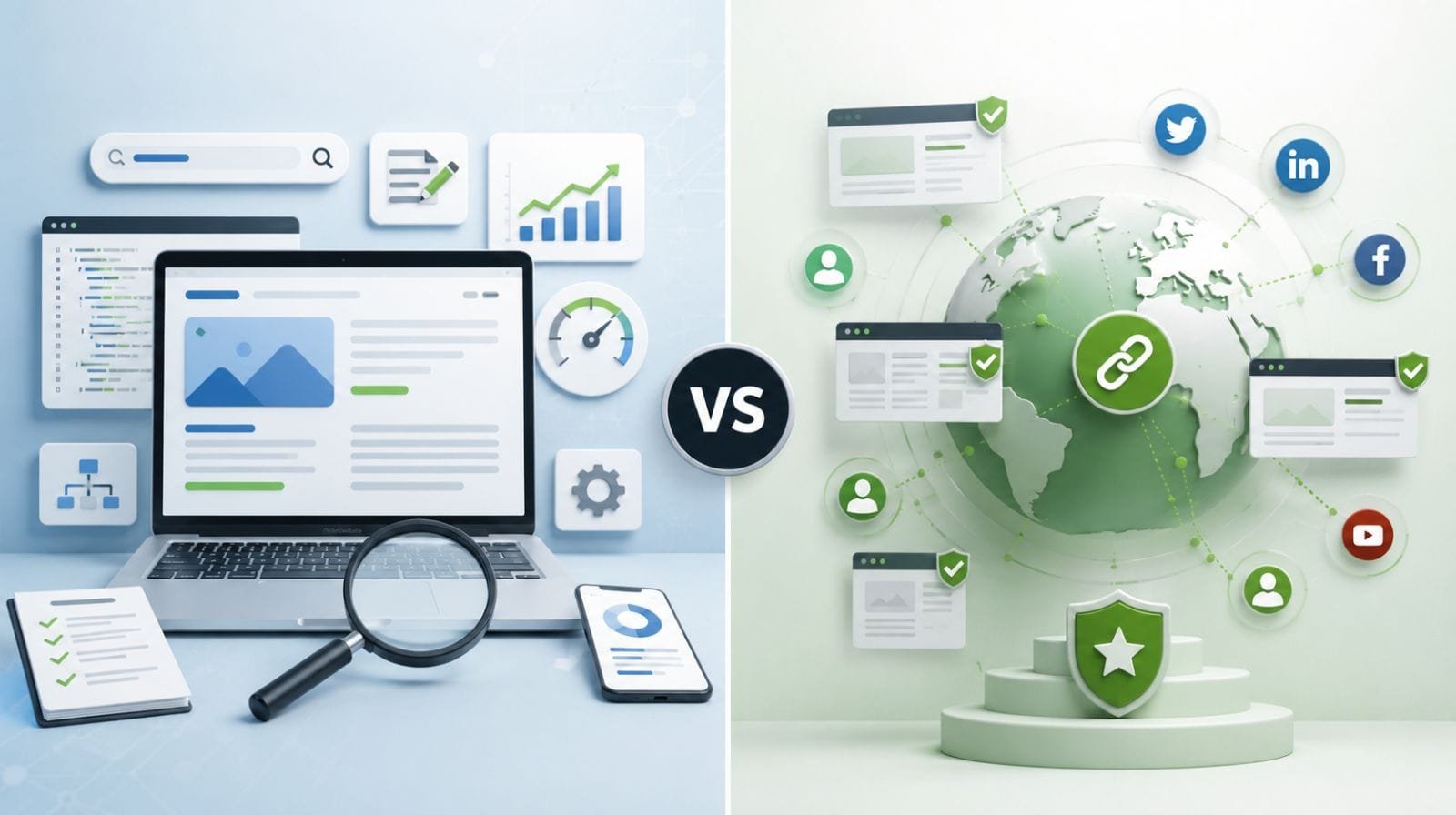
Now let’s compare both types side by side.
Control
On-page SEO is fully in your control. You can change it anytime.
Off-page SEO depends on others. You cannot fully control who links to you or talks about your brand.
Focus Area
On-page SEO focuses on your website’s content and structure.
Off-page SEO focuses on your website’s reputation across the internet.
Time to See Results
On-page changes can show results quickly. Sometimes within days or weeks.
Off-page SEO takes longer. Building trust and authority is a slow process.
Examples
On-page: Writing a blog post with proper headings and keywords.
Off-page: Getting a backlink from a popular industry blog.
Which One Is More Important?
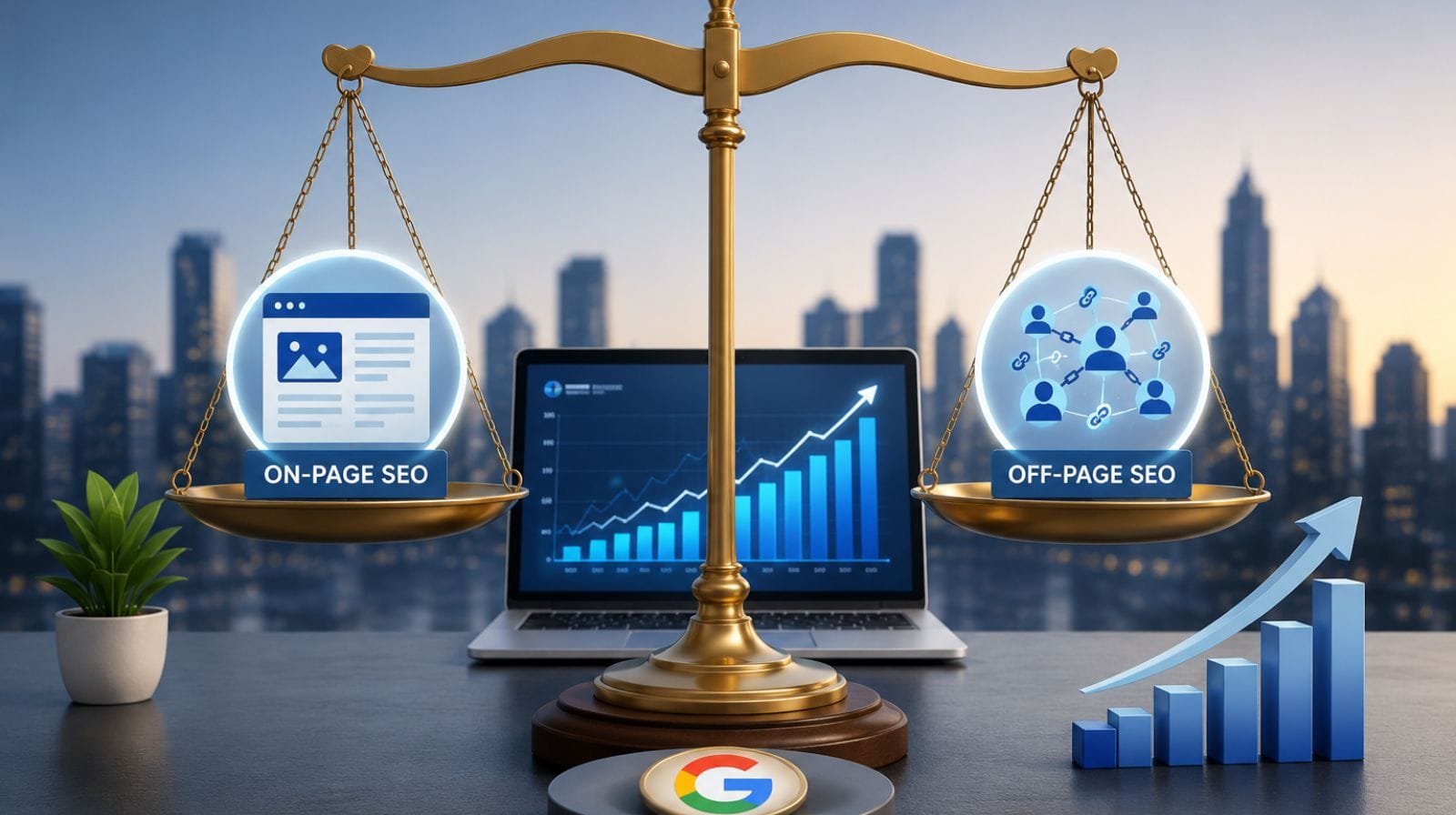
This is a common question. The truth is, both matter equally.
Think of on-page SEO as the foundation. Off-page SEO is the reputation built on top of it.
A house with a weak foundation won’t stand, even with a great reputation. Similarly, a site with poor on-page SEO won’t rank well, even with many backlinks.
On the other hand, great content without any backlinks may struggle to be discovered.
You need both working together for long-term success.

How On-Page and Off-Page SEO Work Together
Search engines use a combination of signals. On-page SEO tells Google what your page is about.
Off-page SEO tells Google how trustworthy and popular your page is.
When both are strong, your site has a better chance of ranking on the first page.
For example, if you write a detailed guide on “healthy eating tips” with good on-page SEO, and other health websites link to it, your page gains both relevance and authority.
Common Mistakes to Avoid
Many beginners make these mistakes:
- Keyword stuffing: Repeating keywords too many times. This hurts readability and rankings.
- Ignoring mobile users: Most traffic comes from phones today.
- Buying low-quality backlinks: This can lead to penalties.
- Skipping meta descriptions: This reduces click-through rates.
- Writing thin content: Short, low-value pages don’t rank well.
Avoid these mistakes to protect your site’s ranking.

Tips for Beginners
If you’re new to SEO, start small. Focus on one page at a time.
Write naturally for humans first. Search engines second.
Use tools to check your site speed and mobile usability.
Build relationships with other website owners. Genuine connections lead to natural backlinks.
Be patient. SEO results take time, but they last longer than paid ads.
Final Thoughts
Understanding On-Page vs Off-Page SEO is essential for anyone who wants to grow their website. On-page SEO gives your content structure and clarity. Off-page SEO builds trust and authority.
Together, they create a strong foundation for long-term search visibility. Focus on creating helpful content first. Then, work on building genuine relationships and backlinks.
With consistent effort, your website can achieve better rankings and attract more organic traffic.
Frequently Asked Questions
On-page SEO involves changes made directly on your website. Off-page SEO involves actions taken outside your website, like building backlinks.
It's possible for low-competition keywords, but for competitive topics, off-page SEO is usually necessary.
It varies, but usually takes a few months to build noticeable authority.
Yes. High-quality content is one of the most important on-page factors.
They don't directly impact rankings, but they can increase visibility and lead to more backlinks.