Top 15 SEO Techniques That Actually Work in 2026
Search engines are smarter than ever. Old tricks no longer cut it. If you want real results, you need to follow the top 15 SEO techniques that actually work in 2026 — strategies built for how Google ranks pages today.
This guide covers everything in a step-by-step manner. Simple, clear, and ready to use.
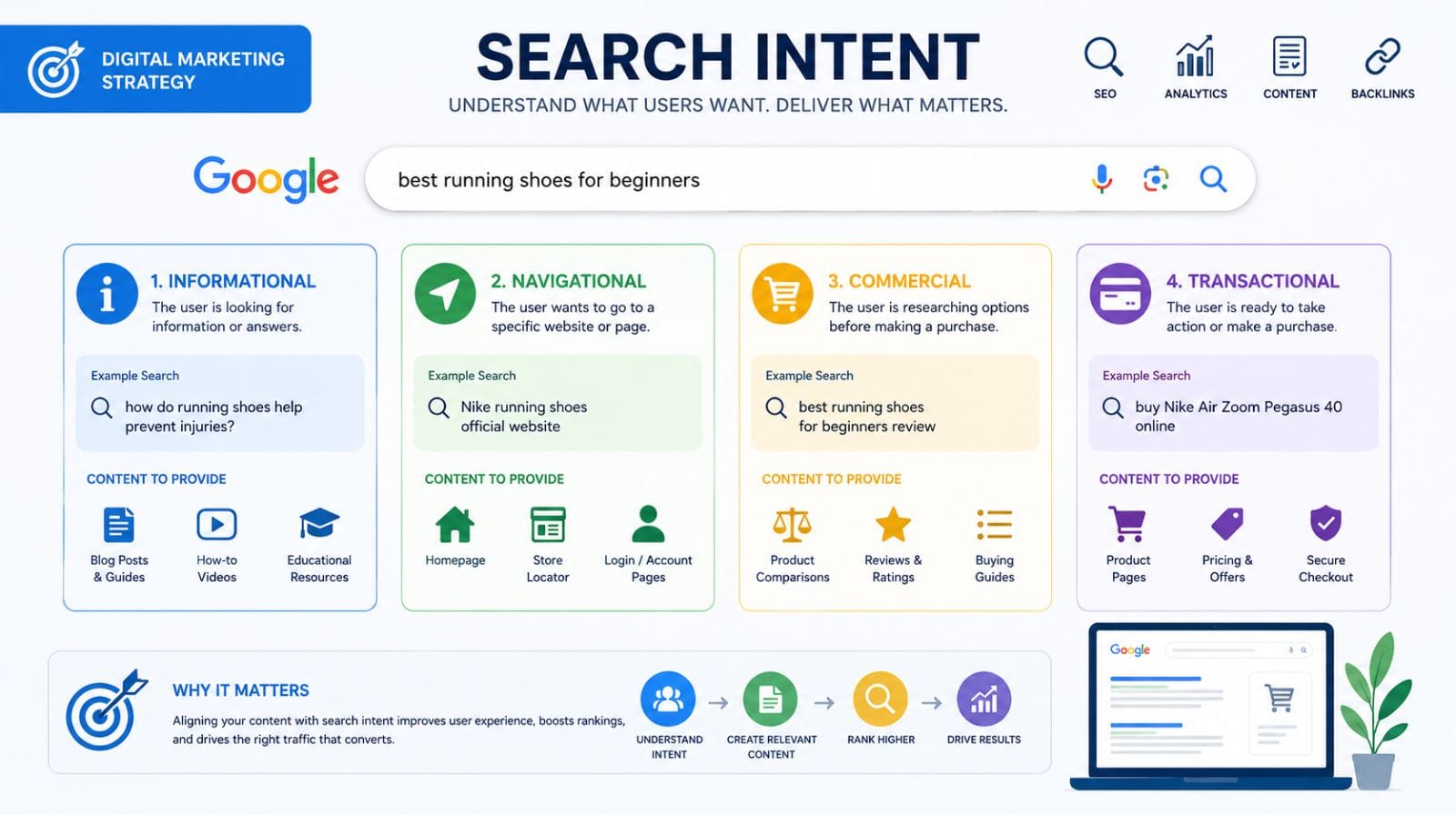

Keep search intent in mind.
The key question is, before you start writing anything else, what is the “user asking?
Google prioritizes pages that satisfy search needs. There are four Principal varieties:
Informational – The customer wants to learn something that they are not currently aware of.
Navigational – User is looking for a particular location.
Commercial – User is making a comparison.
Transactional – user wants to purchase or register.
Target the right content to the right intent. You’ll be ranking quicker.
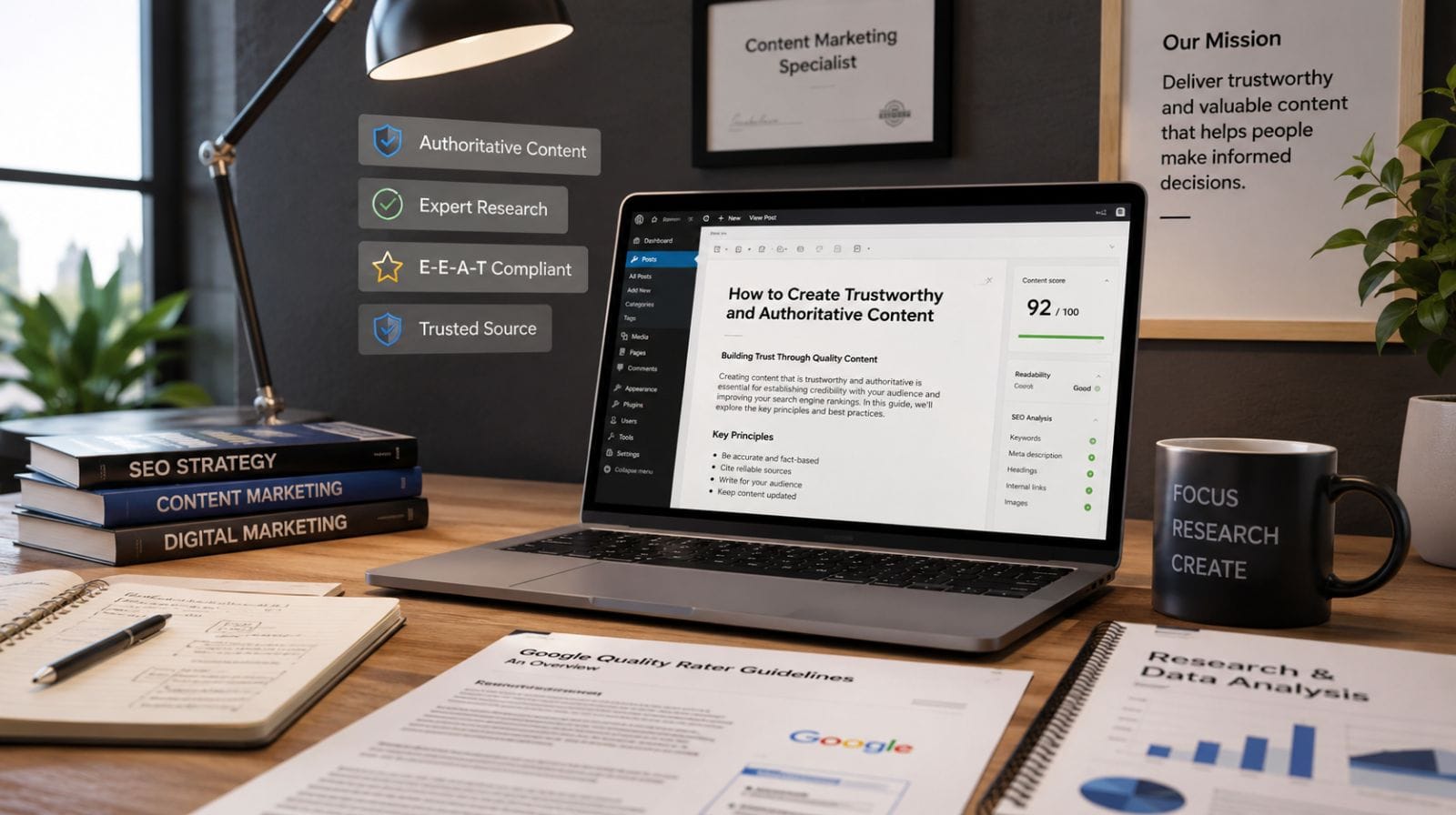
Create E-E-A-T Content
Google expects to find: Experience, Expertise, Authoritativeness, and Trustworthiness (E-E-A-T).
This means the key elements in your content should:
Written by a clearly knowledgeable author.
Cite trusted sources.
Demonstrate hands-on experience, if available.
Provide the writer’s bio.
Health, Finance, and Legal topics are most affected by the E-E-A-T. It is beneficial to each niche, however.
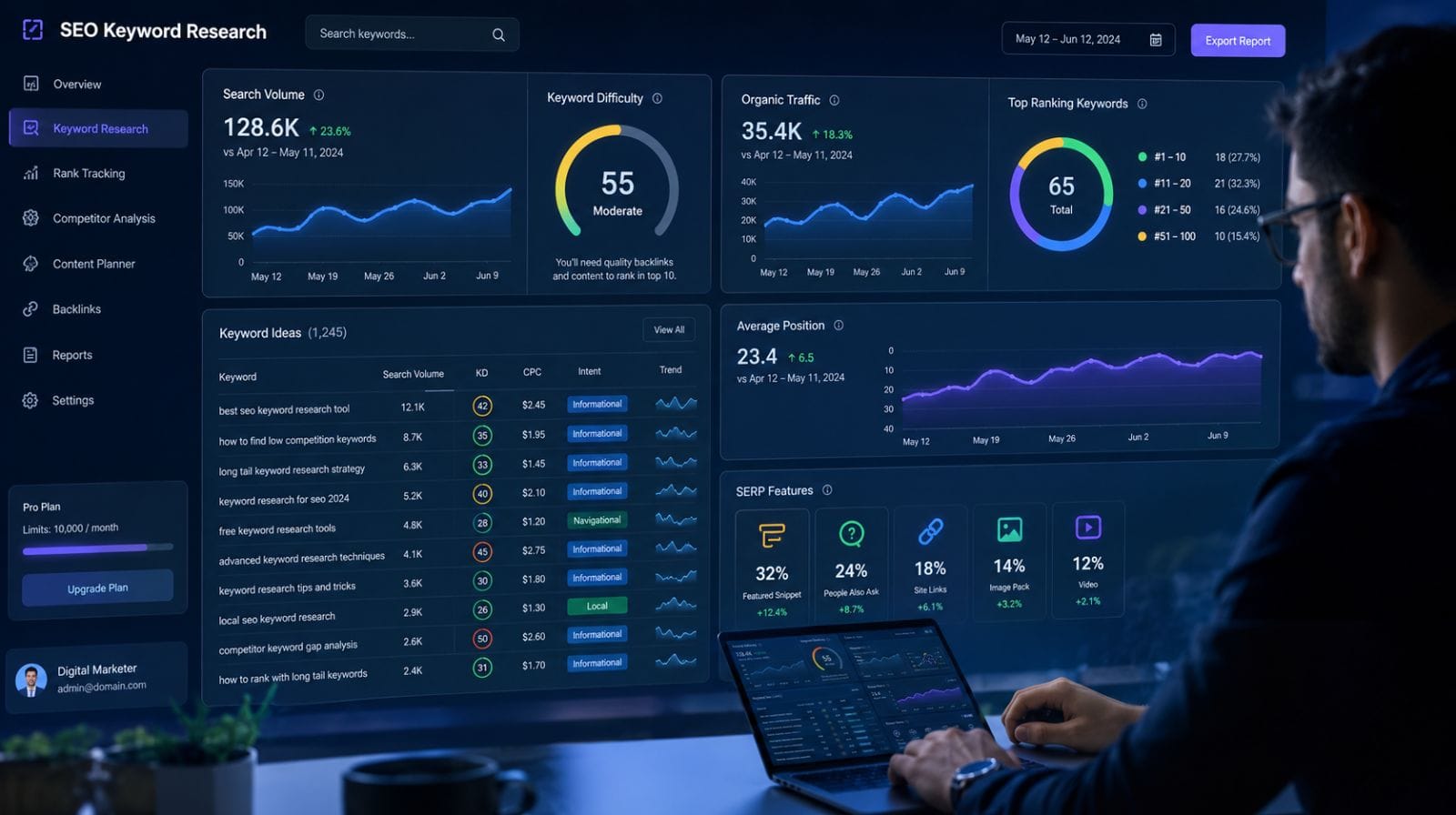
Conduct keyword research and make sure it’s smart.
The importance of keywords for SEO remains. However, it’s not just about the high-volume words that you need to focus on.
Keep in mind that you should consider keywords that have long tails.
Long tail keywords have less competition. They can also drive in more targeted visitors.
For instance: If it’s ‘SEO tips’, then go for ‘SEO tips for small business blogs.
Use LSI Keywords
LSI keywords are terms, words, and phrases that are similar to your keywords that Google uses to interpret your content.
For instance, for the topic SEO, you may have to add some LSI keywords, which include: organic traffic, SERP rankings, on-page optimization, backlink profile, keyword density, and meta description.
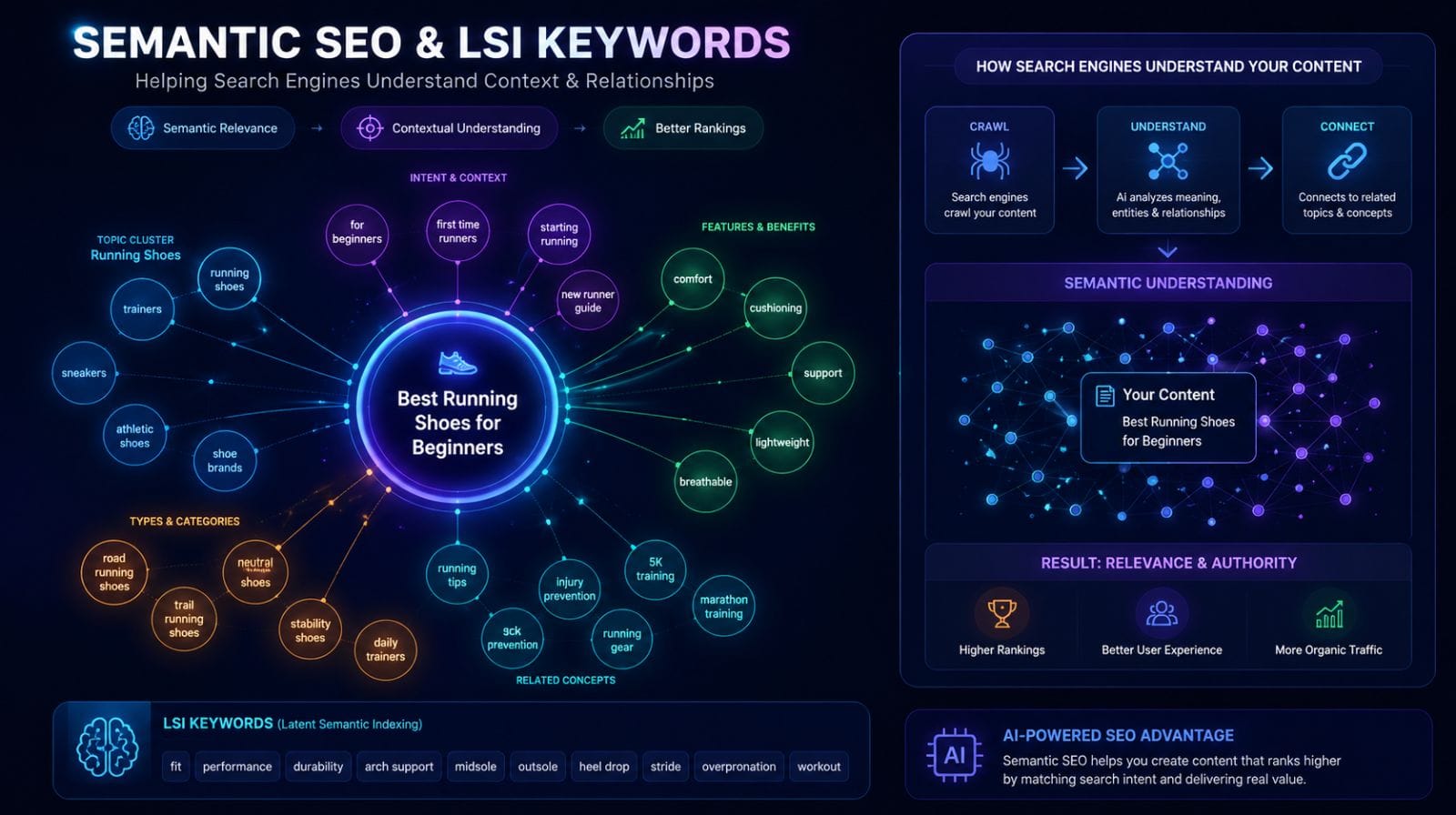
Use them in all-natural ways in the content.
Identify and write High Quality, Original Content.
This is non-negotiable. Google favors content that:
- Finds the answer to a genuine problem
- Is accurate and well researched.
- It is easy to read.
- Provides something unique (rather than a copy of the top ranking).
Less content in a post results in a lower ranking. Be sure to have depth.
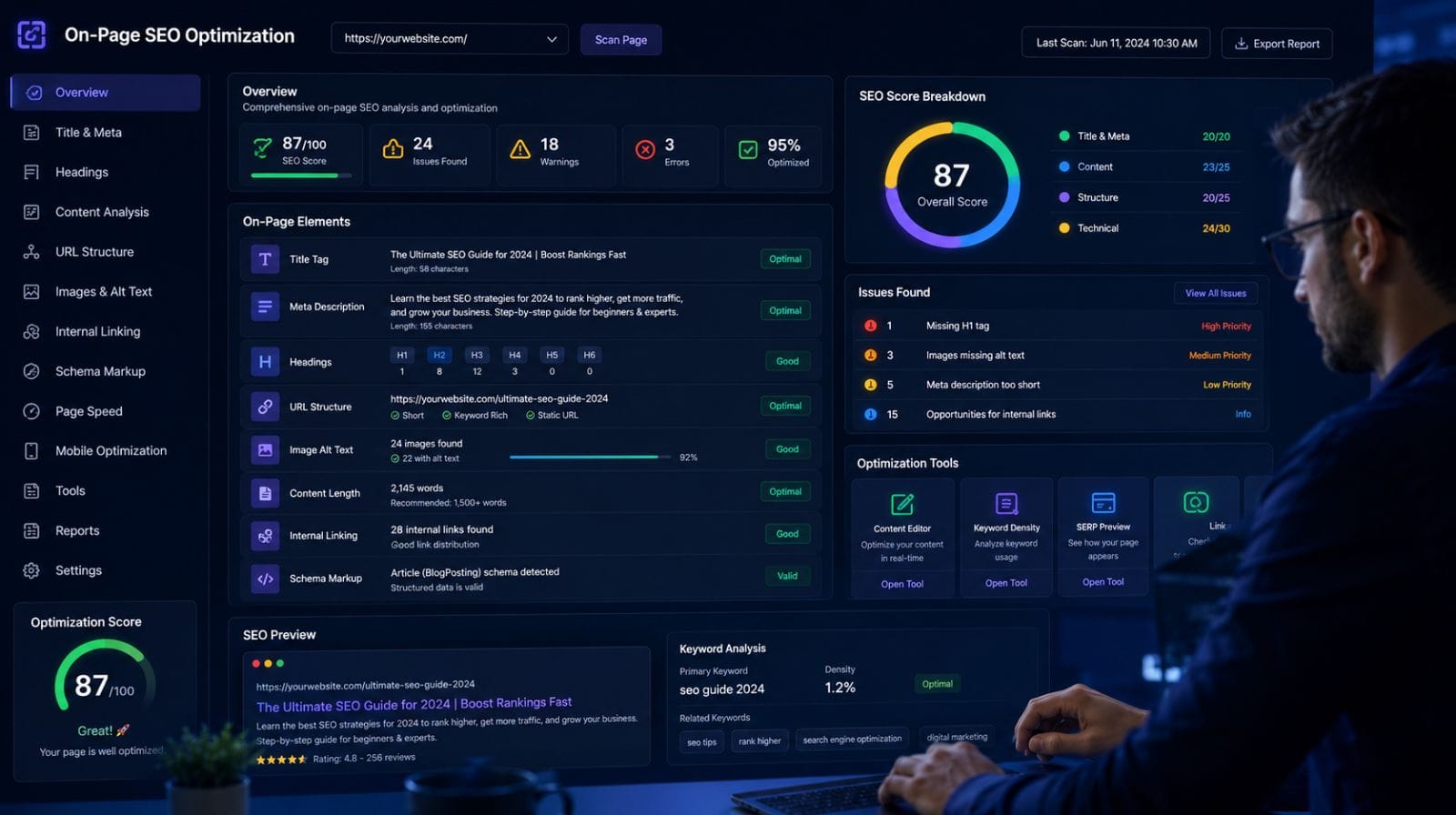
Next, optimize your on-page SEO.
Next, optimise your on-page SEO.
On-page optimization involves enhancing the factors within your webpage.
Key On-Page Factors
- In the Title Tag, use your main (primary) keyword in the Title Tag and the first paragraph.
- Write a good and click-ready meta description.
- Utilize sections, paragraphs, and headings appropriately (H2 and H3).
- Don’t forget to put your keyword into the slug for your URL; be brief.
- Provide alternate wording for all pictures.
The macro and macro adjustments are significant because they have a major influence on your Google positioning.
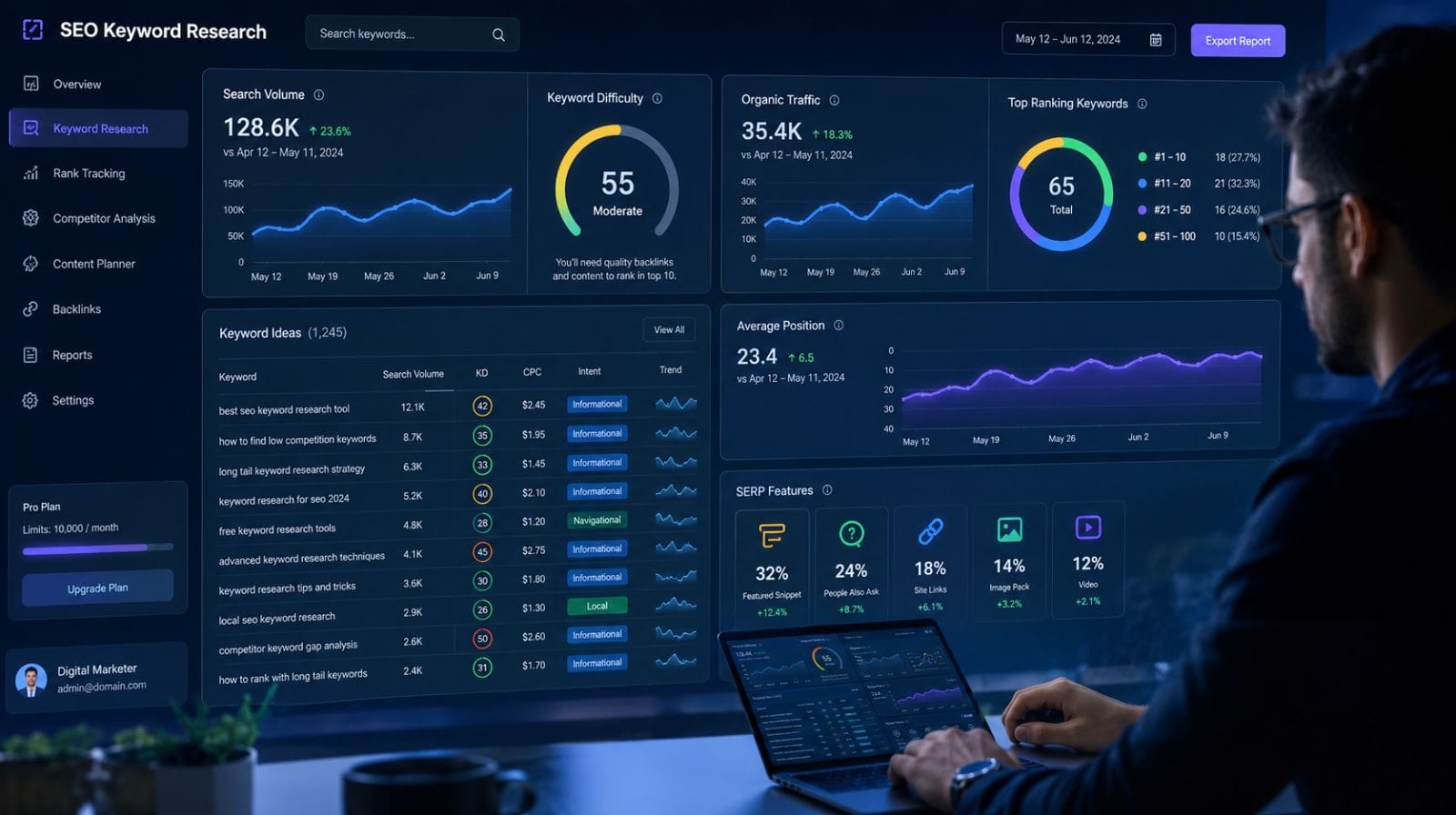
Get better search engine rankings:
There’s no question that page speed is a ranking factor. Slow pages drive away users and rankings.
Google’s view of performance is in terms of Core Web Vitals:
LCP (Largest Contentful Paint) – Time to load the main content.
FID / INP – Response time of a page to click.
Relevant Added Value (RAV) – How beneficial your page is for your target audience.
To test, check your score using Google PageSpeed Insights. Fix what you can.
Be mobile-friendly with your site.
Google is a mobile-first search engine. This basically means it crawls and puts your own mobile site among other mobile web pages in a first position.
When people access your website through a cell phone, your website design will look bad, and your rankings will be affected.
Use Google’s Mobile-Friendly test to check for your site’s mobile friendliness. Opt for a responsive website design. Easily read that text without having to zoom.
Build Quality Backlinks
Backlinks are still one of the strongest ranking signals. But quality matters more than quantity.
One link from a high-authority site beats 50 links from low-quality sites.
How to Earn Good Backlinks
- Write guest posts on reputable sites.
- Create shareable content like data studies or infographics.
- Get listed in relevant directories.
- Use the broken link building method.
Focus on your domain authority by earning links that Google actually trusts.
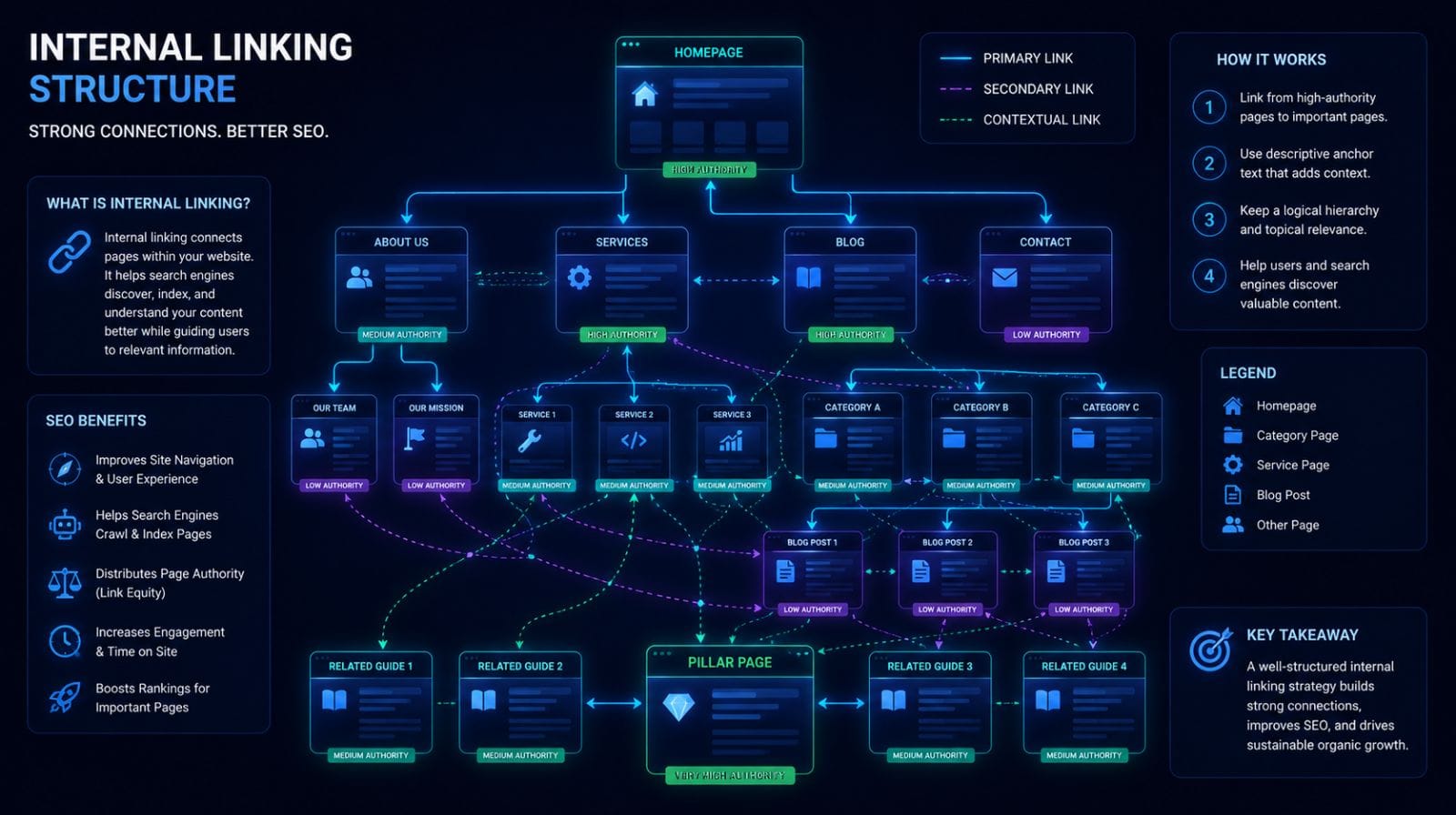
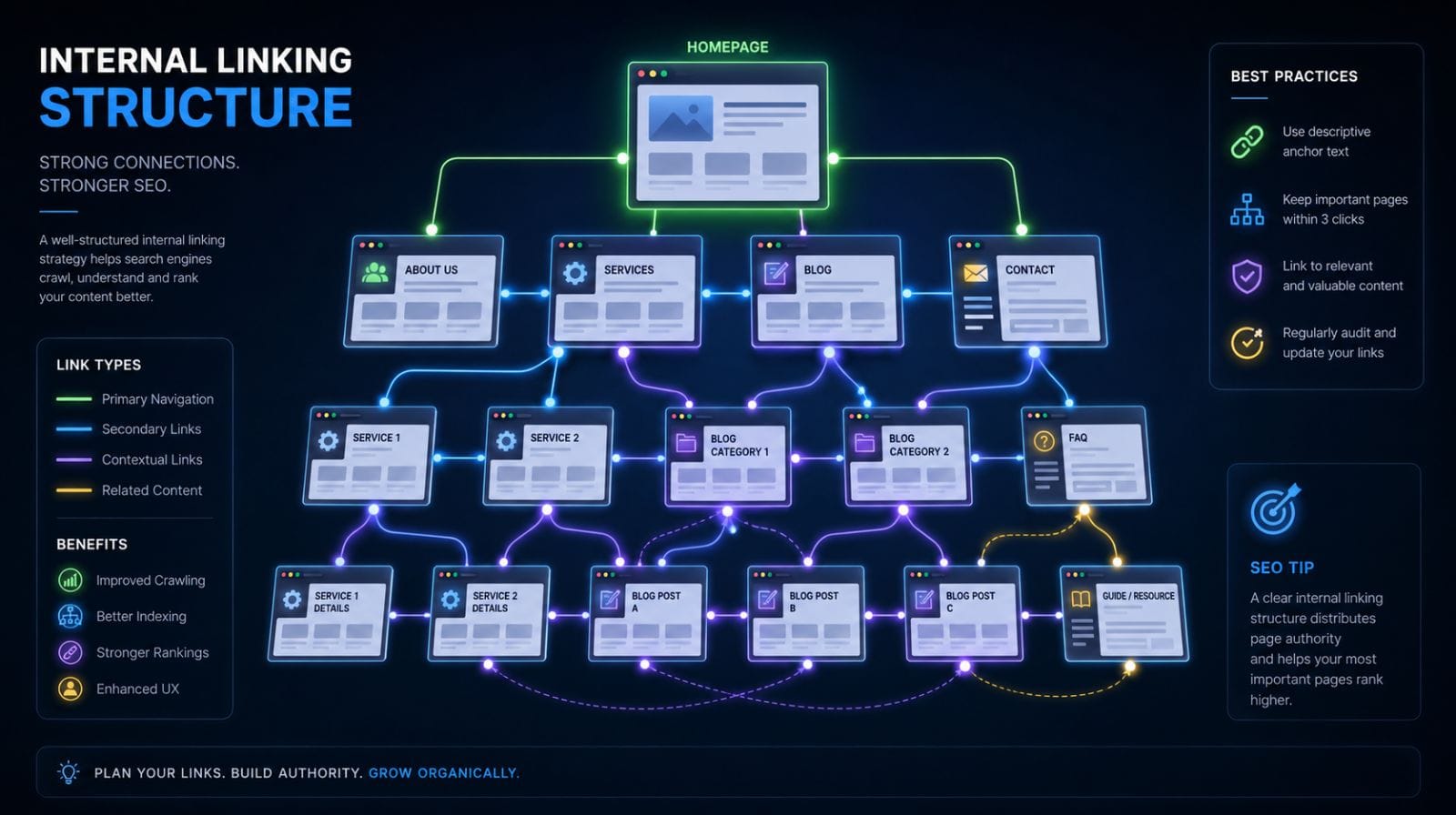
Speak with your Peers
Your pages are connected via internal links. They aid Google in browsing your website and in comprehending the structure.
They also help you to hold onto your users — that’s a positive ranking factor.
Add pop-up links to related blog posts and/or service area pages that contain relevant anchor text or a description of the content found there. Always use a link rather than the word ‘click here’. Focus on the Topic Name (not Introduction) in your writing.
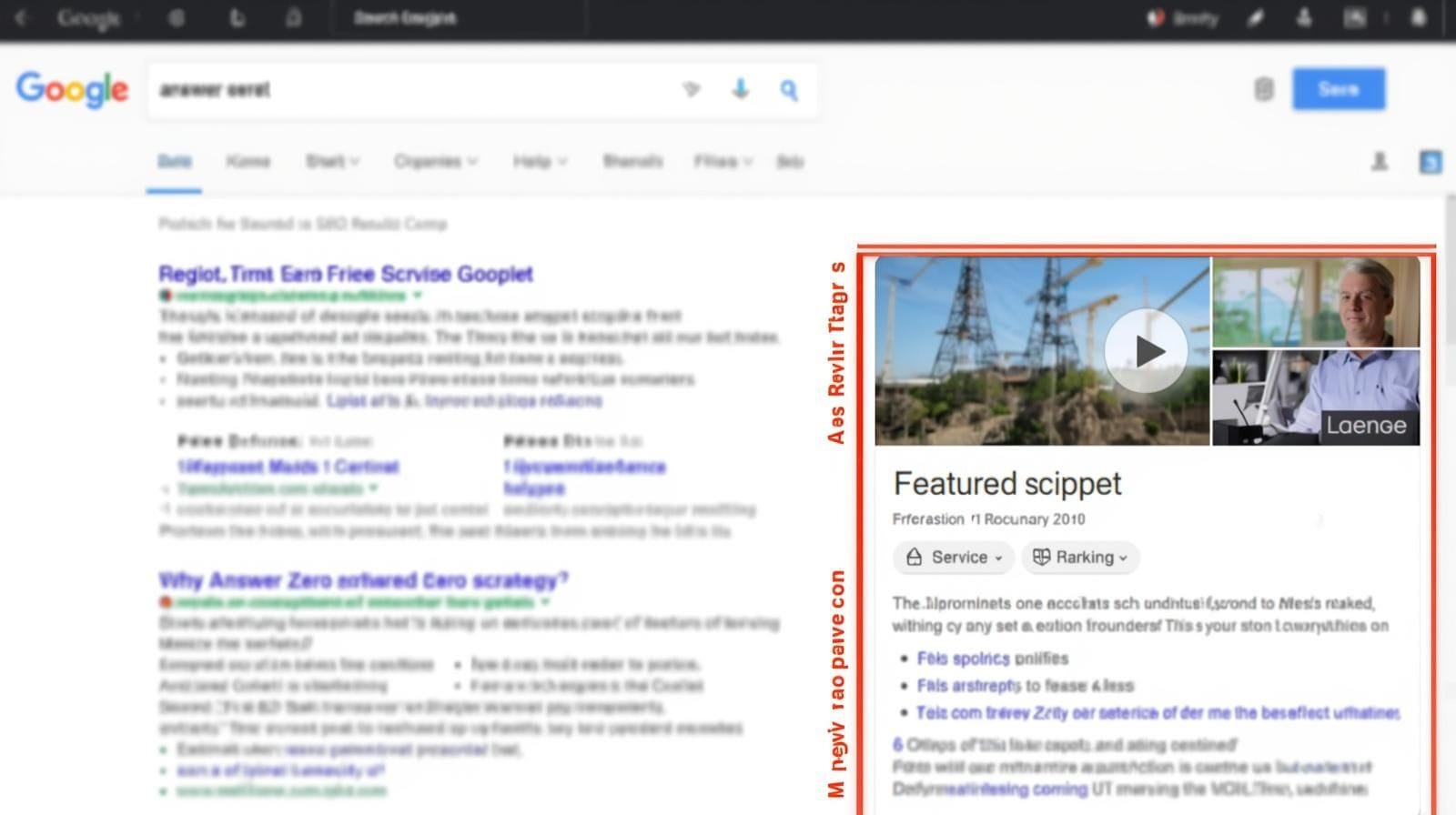
Optimize for Featured Snippets.
Featured snippets are the ones that show up at the top of Google’s search results – before any other links.
To target them:
- Provide a clear answer (40-60 words ) to a question.
- Identify a question as a heading (H2 or H3).
- Use step-by-step questions in step-by-step question lists or with bullets.
So, getting in the featured snippets is a key fast-track method of improving traffic rankings without taking too many steps up the rankings.
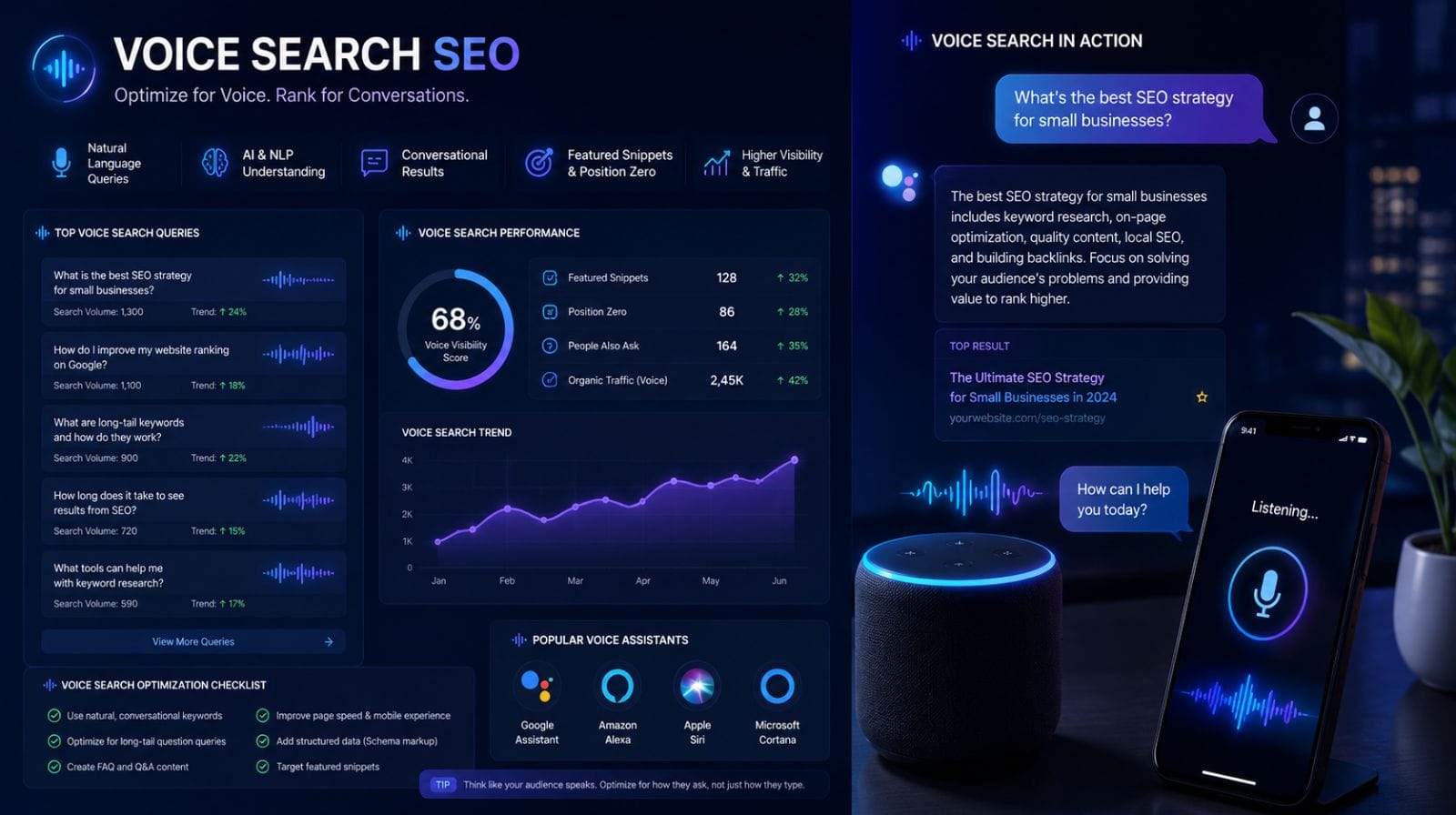
Target Voice Search
There are more users of voice assistants every day. Conversational and longer search terms are used with voice search.
Leverage the capabilities of voice with:
- Focusing on key terms that ask questions (who, what, how, why, when).
- Producing some natural, informal writing.
- Putting together an Information Frequently Asked Questions section on the pages.
Voice SEO has come into its own. Do it now before you get into trouble.
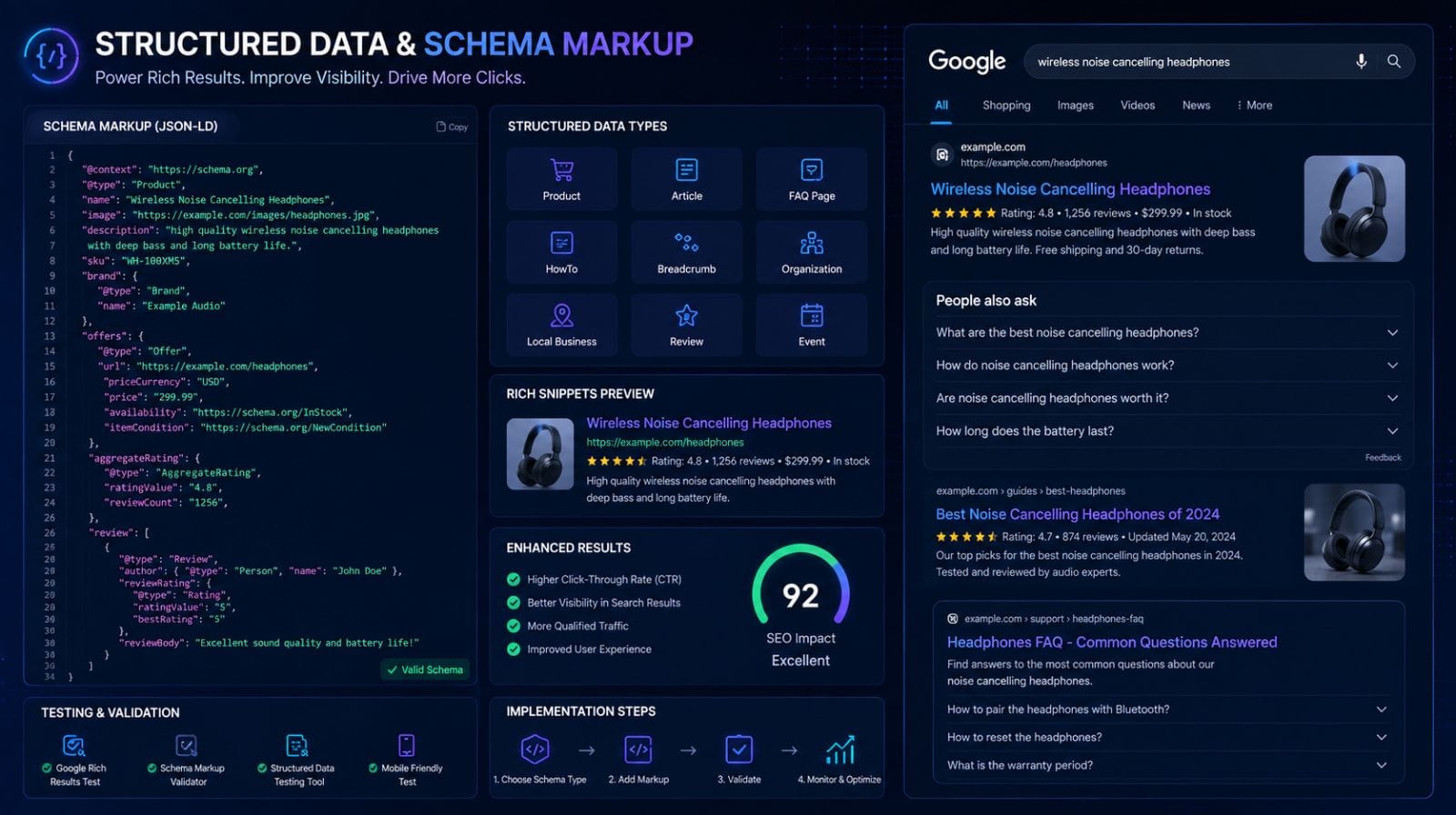
Use Schema Markup
Schema markup is a markup that you add to your site. It will help Google to comprehend your content.
It can create a lot of content for you, like:
- Star ratings.
- Information about Frequently-Asked Questions in search results.
- Recipe cards.
- Event listings.
It is not compulsory to write the code by hand. Employ the help of Google’s structured data markup helper.
Fix technical problems of SEO.
The bottom line is that technical SEO is a key part of it. It’s a must or even a must-have; otherwise, the great content doesn’t rank.
Technical SEO Checklist
- Provide Google Search Console with your XML sitemap.
- Remove any crawl errors and broken links.
- Make sure to avoid duplicate content by using canonical tags.
- Configure HTTPS (not HTTP).
- Enhance the crawling & indexing of your website.
Regularly review Google Search Console. It enables you to see what Google sees.

Ensure content is fresh and up-to-date.
Google favors up-to-date content. Old blogs that no longer have up-to-date content will drop in rank over time.
Check your content periodically. Revise statistics, examples, and links. Include new sections, if necessary.
An updated post may work its way back up the SERP without having to begin all over again.

Track, analyze, and adjust.
SEO isn’t a one-off task! Need to track results and continually improve.
Use these tools:
Google Search Console: Monitor clicks, impressions, and rankings.
Google Analytics – Learn about customers’ behaviour.
Monitor backlinks and keyword rankings: Ahrefs or SEMrush.
Data is the answer to knowing what is working. Use actual data, rather than estimates, to determine your approach.
Final Thoughts
Here are the 15 best SEO methods that will continue to work this year (2026) and are easy, effective, and based on the principles for ranking SEO pages today.
It’s all about fundamentals: keywords, content, and on-page optimization. Then focus on technical fixes, backlinks, and tracking.
SEO takes time. However, it is well worth it, as the outcome is.
Frequently Asked Questions (FAQs)
Most websites start seeing results in 3 to 6 months. Competitive keywords can take longer.
Not as a fixed percentage. Focus on using keywords naturally. Google understands context now.
- Create high-quality, search intent-focused content that answers what users are looking for.
- Build quality backlinks from trusted and relevant websites.
- Optimize on-page SEO — titles, headings, meta descriptions, and internal links.
- Fix technical SEO issues — site speed, mobile-friendliness, and crawlability.
- Target long-tail keywords with clear buyer or reader intent for faster rankings.
Start by learning the basics — keyword research, on-page SEO, and technical SEO. Then practice on a real website or blog. Use free tools like Google Search Console and Google Analytics. Study case studies, follow SEO blogs, and keep testing new strategies. Consistency and hands-on practice are the fastest path to becoming an SEO expert.
SEO today is smarter and more user-focused. It is less about tricks and more about trust. Google looks at your content quality, page experience, author credibility, and website authority. If your site solves real problems and loads fast, you are already ahead of most competitors.
The latest SEO techniques focus on search intent, E-E-A-T, Core Web Vitals, and AI-driven content. Voice search optimization, schema markup, and quality backlinks are also trending. Google now rewards content that truly helps users — not content made just to rank.
Use Google Search Console to track impressions, clicks, and keyword positions. Use Google Analytics to monitor traffic and user behavior. Review your data regularly and adjust your strategy based on what you see.
A meta description is the short text shown under your page title in search results. It does not directly affect rankings, but a well-written meta description can improve your click-through rate — which does help SEO.