What Is Generative Engine Optimization (GEO)? The New SEO Strategy Every Business Needs in 2026
Search is in a state of flux.
Those who use computers are no longer typing in and clicking links on Google. They are soliciting answers from AI tools. The old method of search is being replaced by things such as Google AI Overviews, Chat GPT search, and Perplexity.
What Is Generative Engine Optimization (GEO)? The New SEO Strategy Every Business Needs in 2026
Search is in a state of flux.
Those who use computers are no longer typing in and clicking links on Google. They are soliciting answers from AI tools. The old method of search is being replaced by things such as Google AI Overviews, Chat GPT search, and Perplexity.
This is where GEO (Generative Engine Optimization) comes into play.
The strategy is what will assist your business in being found among an AI-generated response – not only on a regular search result page. To have a presence in the current search environment, you must know about GEO at this moment.
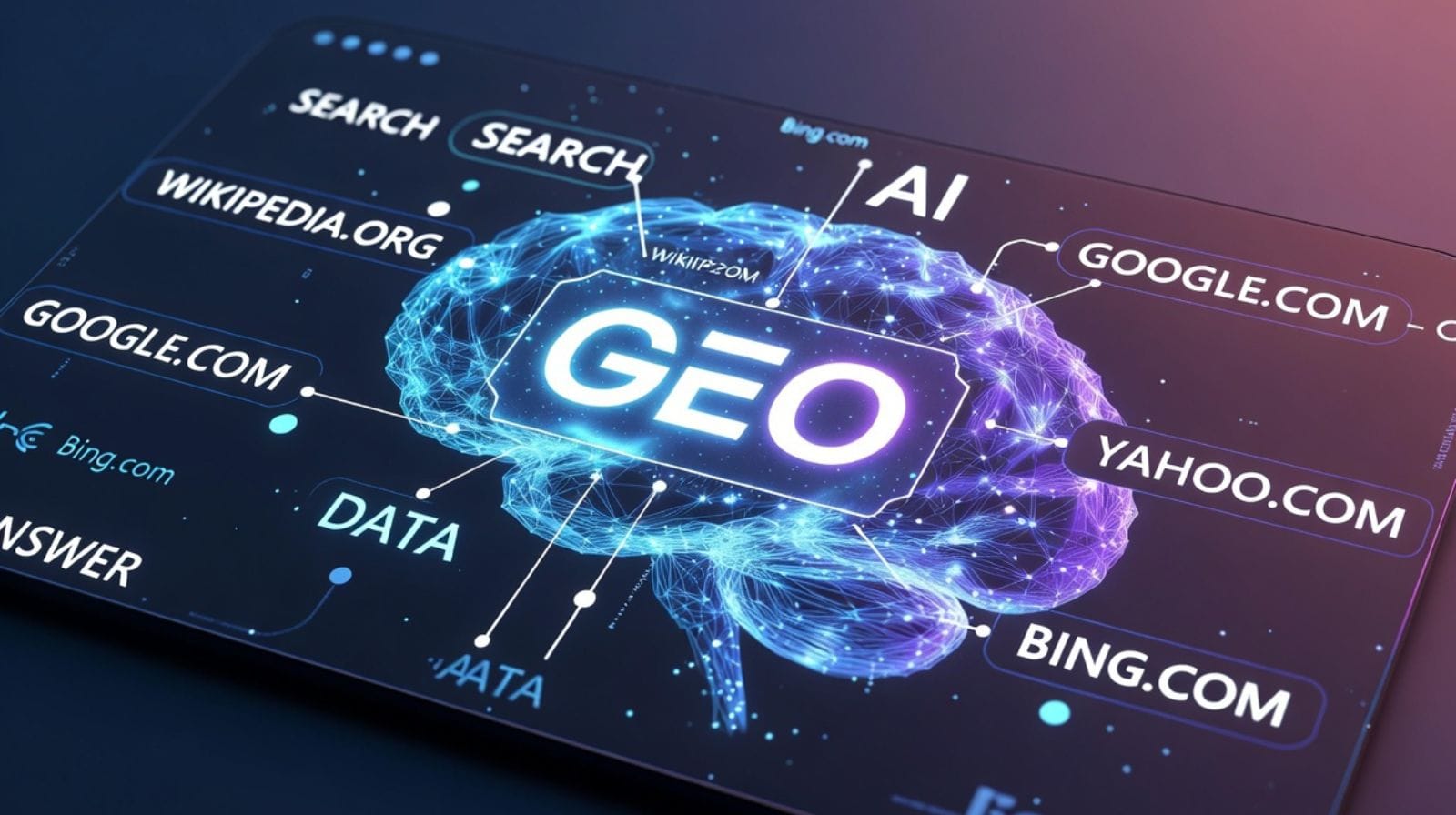
What Is GEO?
GEO is short-term to represent Generative Engine Optimization.
Making your content clear to AI search engines so that they can find, comprehend, and suggest is what it entails.
When one poses a question to ChatGPT or Google AI, it will respond directly. It also selects some of the websites as sources. GEO is concerned with turning your web page into one of such credible sources.
Imagine it in such a manner. The conventional SEO puts you on the list of links on Google. GEO makes you referenced within the AI answer, which is presented above those links.

What is the Difference between GEO and traditional SEO?
The old-fashioned SEO is not irrelevant. GEO is on an entirely different level, though.
The significant difference is that:
Old-fashioned SEO aims to be ranked in the blue Google links.
GEO works on getting your content referenced within. AI generated this answer.
The standard SEO is based on the backlinks, the density of the keywords, and the speed of the page. GEO is based on the clarity of the content, authority on the topicality, and organised writing.
Being ranked at the top of Google, a page may be overlooked by carefully reading it by an AI search engine. It occurs when the information is not presented in such a way that it can be read by AI.
GEO corrects that issue.
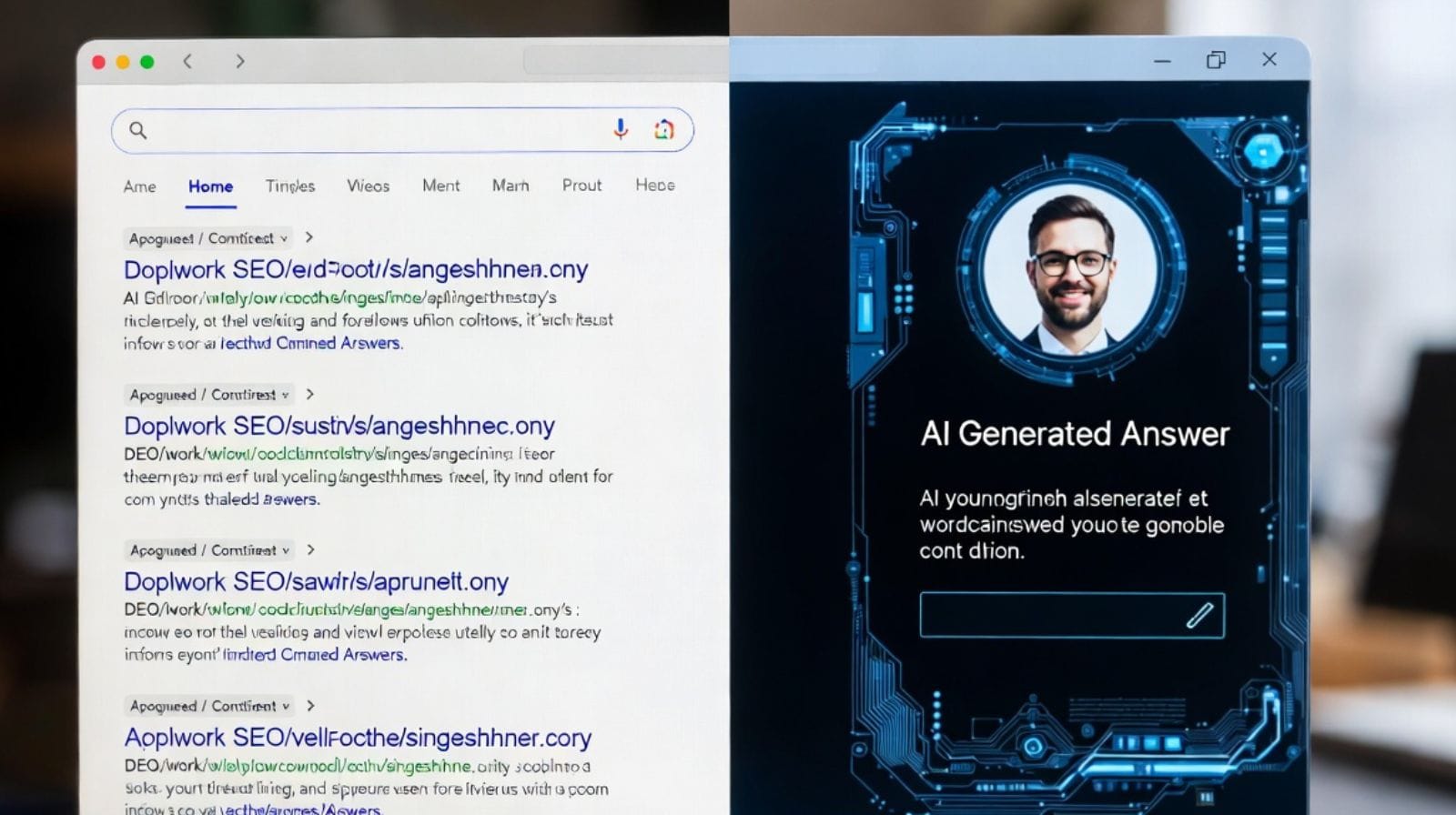
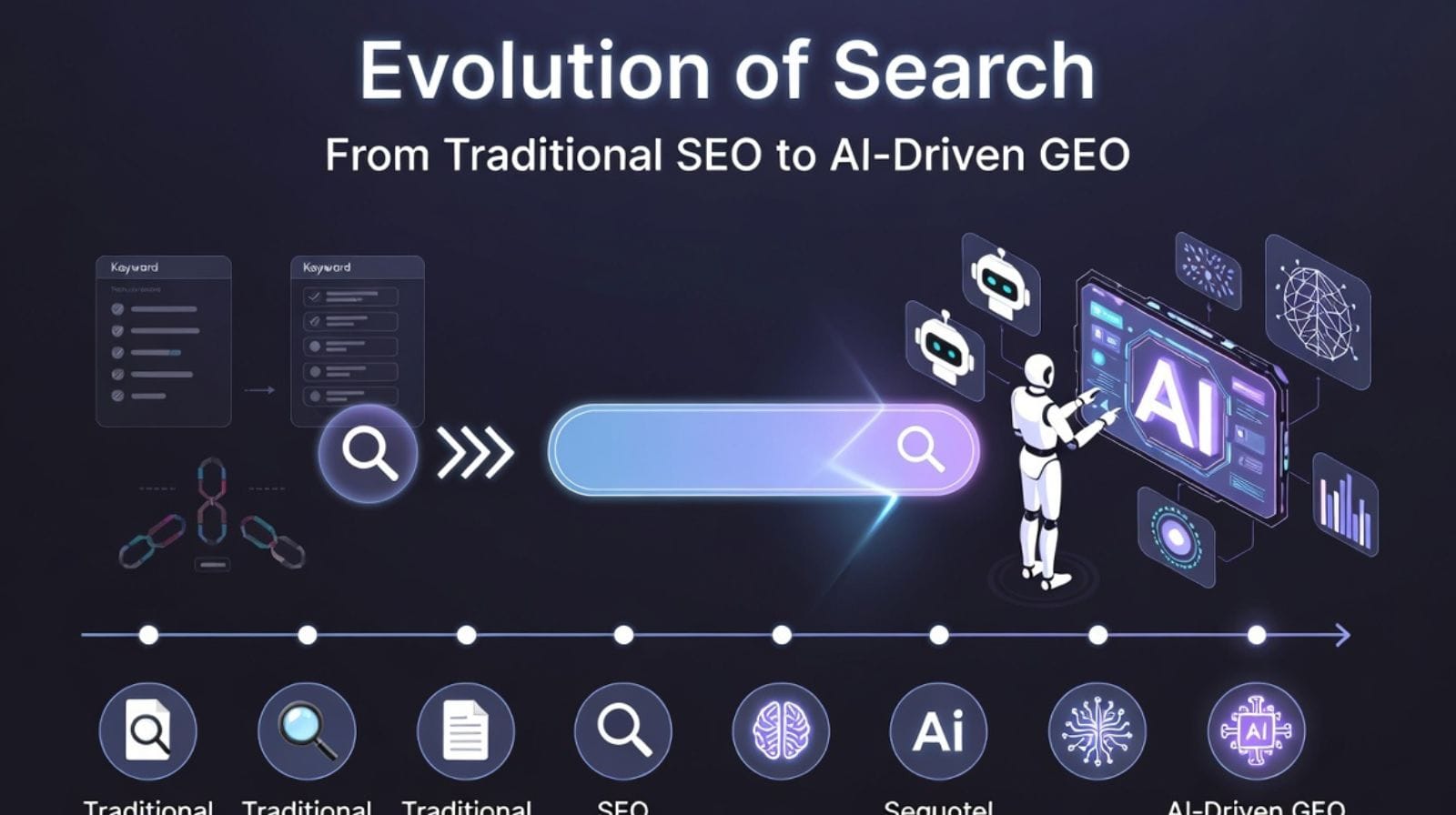
The importance of AI-Powered search is relevant now.
Each day, more users are converting to AI-powered search.
Google AI Overviews now feature on a large percentage of every search. Such applications as Perplexity AI and ChatGPT Search are increasing at an unprecedented rate. Younger audiences, in particular, are more likely to think that direct answers would be better than visiting various websites.
Businesses are affected by this change in reality.
Users rely on an AI when it appears to have provided an answer. They do not make five visits to other websites. They do as the AI recommends and proceed.
In case your brand does not feature in such a recommendation, you get to lose the customer, despite appearing on the first page of Google. The novel’s first citation is an AI citation.

There are various ways in which an AI search engine select their sources.
AI engines do not choose any websites randomly. They adhere to a certain reason. Knowing that the first step towards being cited is to use logic.


Accurate and factual Content.
AI applications favor assumptions of data that exhibit particular, verifiable statements.
The ambiguous words, such as we have great services are disregarded. Specific quotes, such as those indicating that businesses increase their use of social media marketing by as much as 23% in brand recall, are cited.
Be precise. Make use of facts and real numbers.
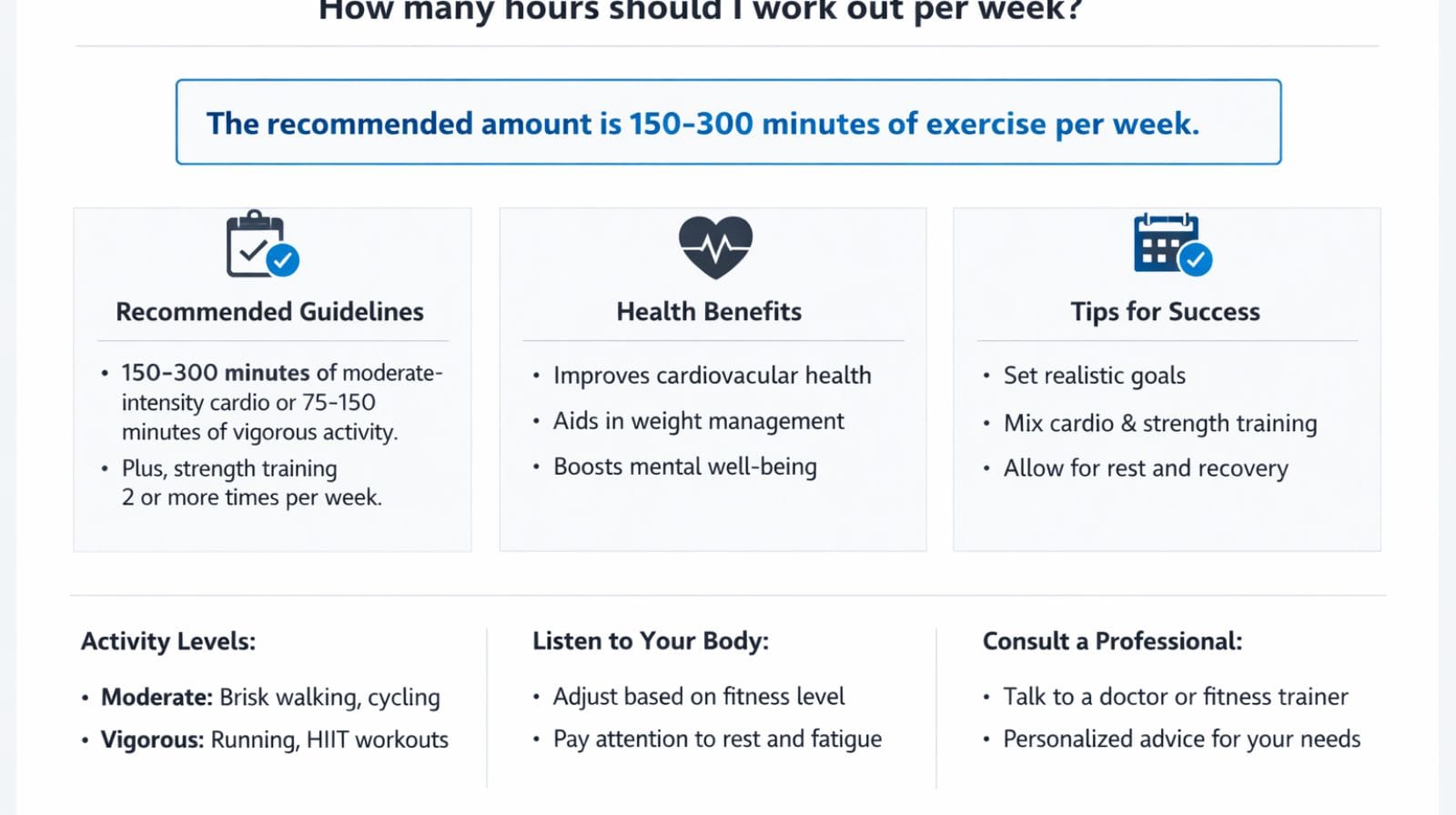
Answer-First Structure
AI systems will seek a forward answer initially.
One of the reasons why the AI might not read the content of your post is when it takes three paragraphs before you get to the point. As long as your content has the answer to the question in the first two sentences, AI will just extract the information.
Invariably be led by the reply. Explain it after.

Topical Authority
AI engines are not going through a single page. They consider the entire site of your website.
When your site is a topic that is extensively covered, such as several posts all related but structured and interrelated, then you are considered to be an authority by AI. Quasi-establishment is mentioned much more frequently than ad hoc posts.
Well-Organized Content
AI systems programmatically analyze content. They react to concise headings, brief paragraphs, and systematic information.
The human being can easily skim content, and so can the AI. Headings: H2 and H3. Keep paragraphs short. Bullet points should only be used when they really are beneficial.
 1 minute to write down everything you know about GEO.
 1 minute to write down everything you know about GEO.
Now that we have seen what you can do today.

Online learning, unlike real-life learning, is not about writing articles; it is about writing answers.
Each blog Post must provide an answer to a single question.
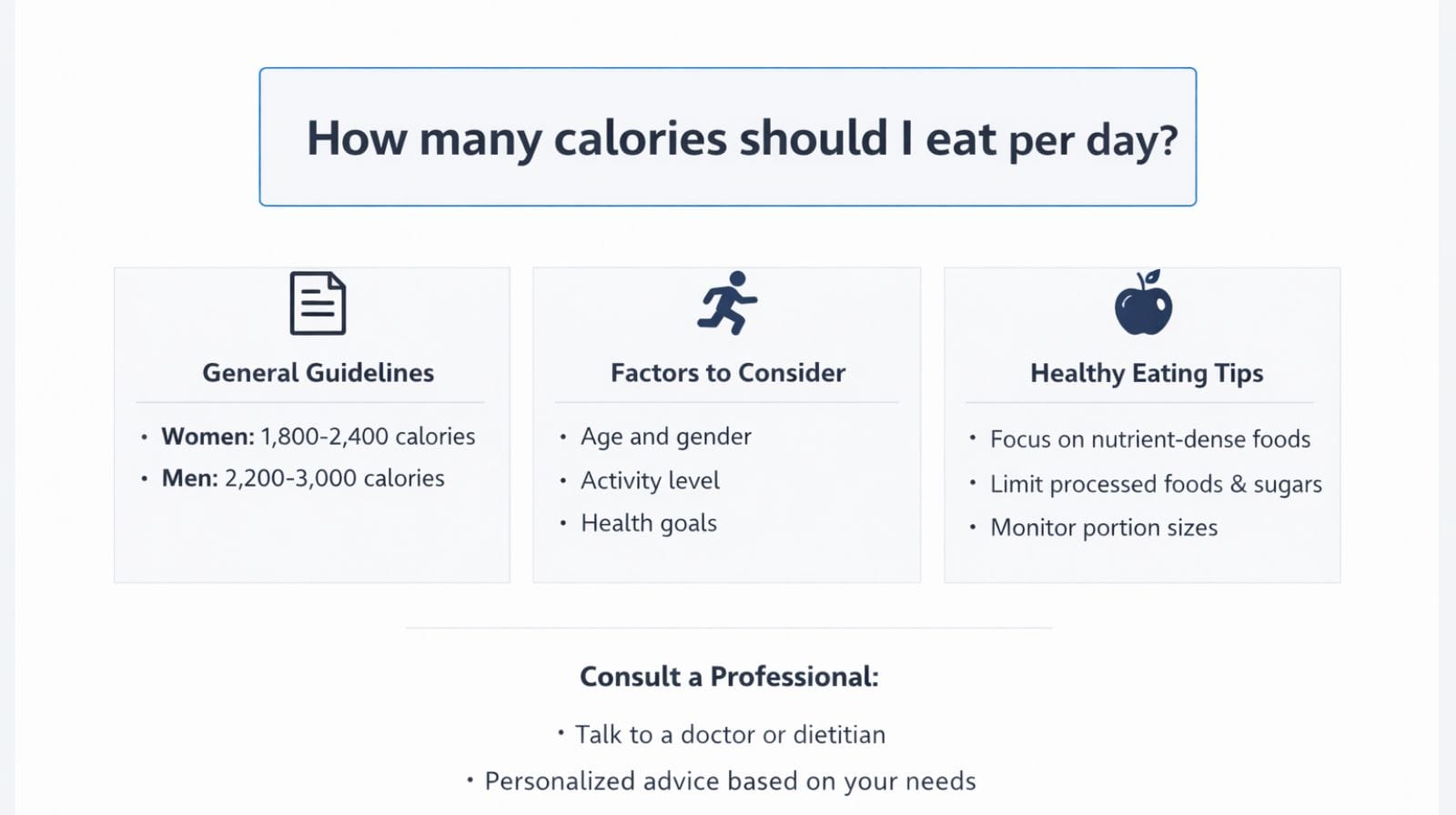
Begin with the straightforward answer to your post. Then go deeper. It is this answer-first fashion that AI tools are made to elicit and advise the user.
Ask yourself–before you write–one question: what is the one question that this post answers? Answer it in the first paragraph, then.
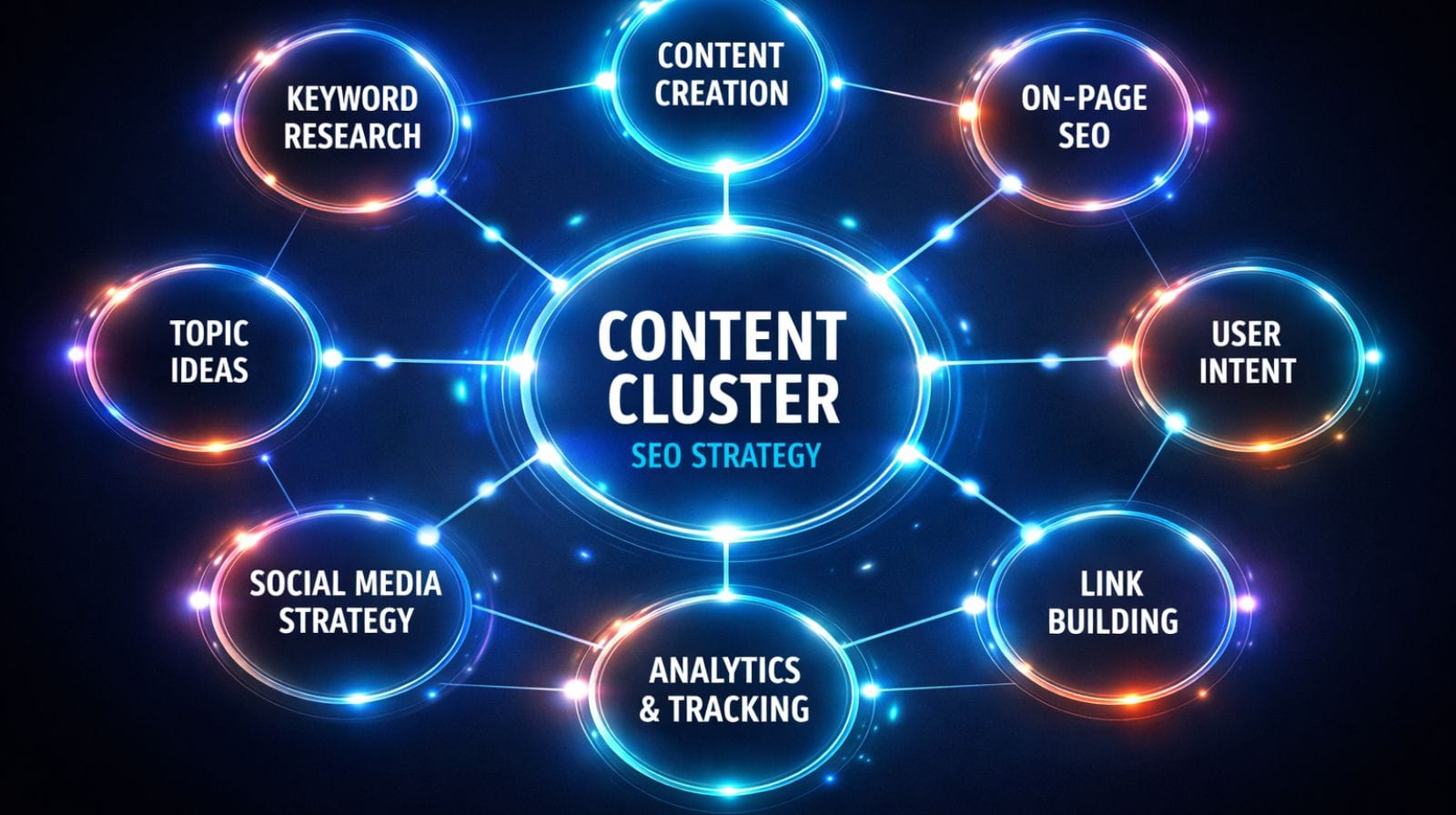
Create the Best Topic Cluster of Your Niche.
Individual postings will not suffice anymore.
You must discuss your subject in all ways. Write a pillar post on one subject that is strong. You can then write related posts that refer to it.
To illustrate, assuming that your central theme is digital marketing, your cluster posts may include social media strategy, paid advertising, content writing, YouTube search optimization, and AI search optimization. Any interconnected posts point towards profound authorization with AI engines.
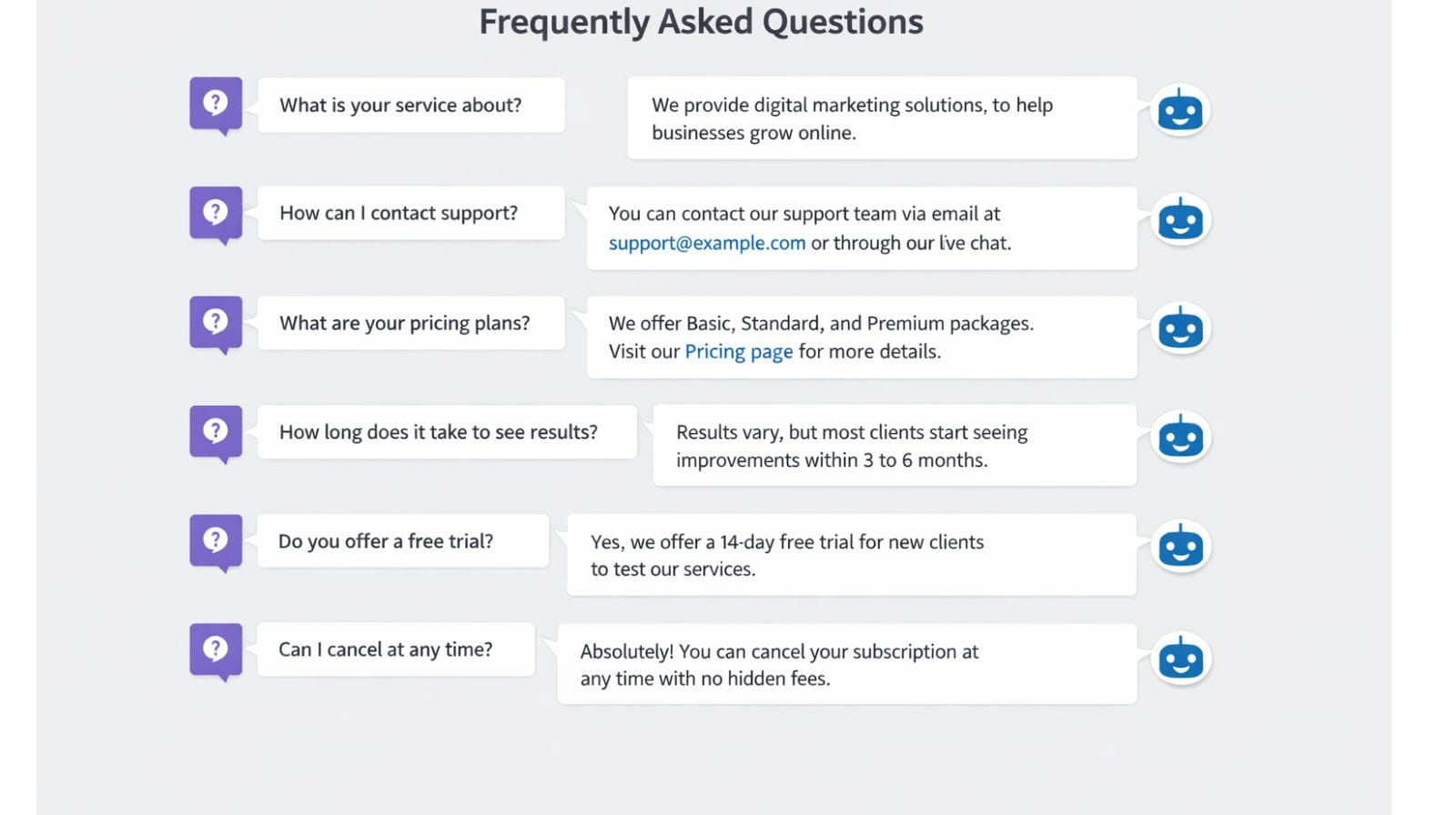
Include having FAQ sections on each and every post.
FAQs are highly effective in terms of optimizing generative engines.
AI tools are constructed to respond to queries. It is possible to have an already formatted content with questions and answers that can be extracted and used in AI responses as they are already formatted.
Include four to six factual questions per post. Write them as you want them to be asked by your audience in a natural, conversational, and specific manner.
Use Actual Data and Statistics.
Numbers establish confidence in the user and AI systems.
Attach limited statistics and the author of the source, even without being hyperlinked. This is an indication that your content is supported by research and is credible. The chances of AI engines referring to data-driven content are higher than they are to the content created based on general claims

Brand Mentions are earned on the Web.
AI engines are engaged when your brand is mentioned by trusted websites.
Such ones are referred to as unlinked brand mentions. They inform the AI systems that true individuals and organizations realize your authority.
Mentions can be achieved through writing guest blogs within the industry, sharing quotes within online publications, having clients mention your agency in their own materials and appearing on podcasts or videotape calls.
Each reference will gain a reputation in search of AI.


Tracking GEO Success
GEO success appears not to be similar to traditional SEO.
Keep an eye on the following indications:
- Being mentioned within ChatGPT, Perplexity, or Google AI responses.
- Growth in direct traffic – individuals who type your brand name in particular.
- A greater duration of time on your pages, which is an indication of good content.
- Additional subjects on which your site comes out as an artificial intelligence recommendation.
These measures depict actual visibility in the conversational search world.
GEO and SEO: Together.
GEO is not used in place of conventional SEO. It completes it.
Your technical SEO maintains the wellness of your site. Your content is kept relevant by your on-page SEO. Your backlinks are a source of authority. GEO will be the last layer – that’s all that work gets you visibility in AI-generated answers as well.
The combination of both will be huge in the coming years for businesses that integrate the two.

Frequently Asked Questions
GEO acronym is Generative Engine Optimization. The act of rendering your material easy to detect by AI search engine technology, such as ChatGPT, Perplexity, and Google AI Overviews.
No. SEO has Google, a ranked list of links in mind. GEO focuses on answers generated by AI and comes up before such links. The two strategies are best used concurrently.
Not at all. The majority of GEO strategies entail writing clear and structured content and establishing topical authority- there is no coding involved.
The majority of businesses start to get results in four to twelve weeks of regular publication of structured and answer-first content.
Absolutely. Topical authority can develop rapidly in small businesses that have a niche, in contrast to large general websites. Brand size is not important as the depth of coverage.
The most common are unspecific content, insufficient depth of the topic addressed, poor structure, and lack of actual data. This can be easily altered by applying the GEO strategies above to your content. Share