Why Your Facebook Ads Are Not Working.
You launched your Facebook campaign. You set the budget. You waited.
But the results? Nothing. No clicks. No leads. No sales.
You are not alone. Thousands of businesses face this exact problem. Understanding why your Facebook ads are not working can save you time, money, and a lot of frustration.
Let’s break it down — step by step.
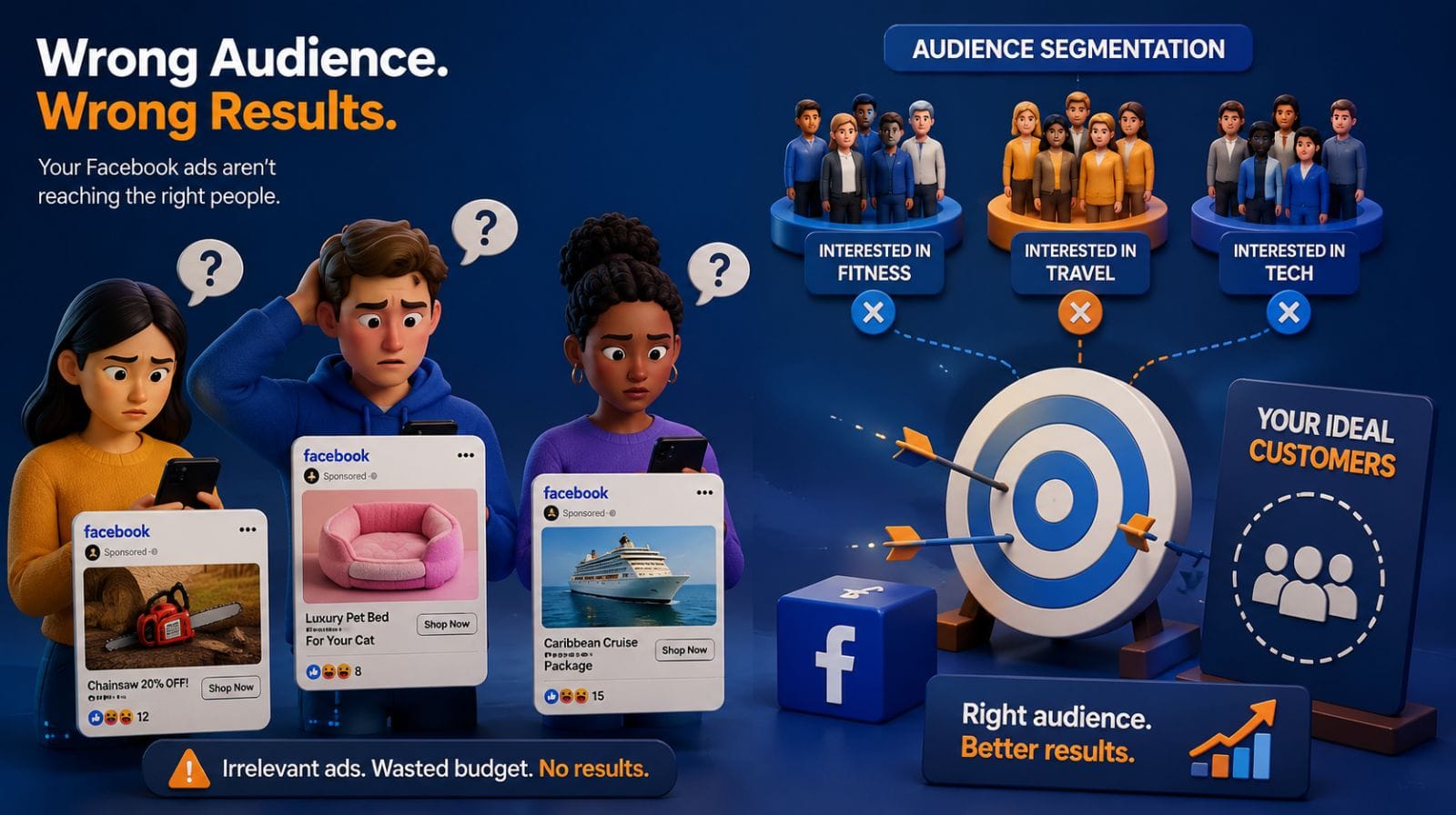
Why the site is visiting the wrong audience and what methods to correct this behavior.
This is the “biggest WAY” for ads to fail.
It’s out there; Facebook has a billion users. But not everyone of them is your customer. No matter how great your ad looks, it’s not going to convert if it’s appearing in front of the wrong audience.
Learn how to conduct your targeting. Learn how to do your targeting.
Be sure to have a clear image of the ideal customer. Consider age, place, hobbies, and activity.
Utilize Custom Audiences for targeting audiences that are familiar with your brand.
Lookalike Audiences: Look for new audiences like your best customers (or their lookalikes).
Don’t appeal to the wrong audience or too small an audience.
For the vast majority of businesses, the sweet size of audience is 2ML – 500,000. If it’s not large enough, your print ad will get stale quickly. If it’s too big, it’s not relevant.
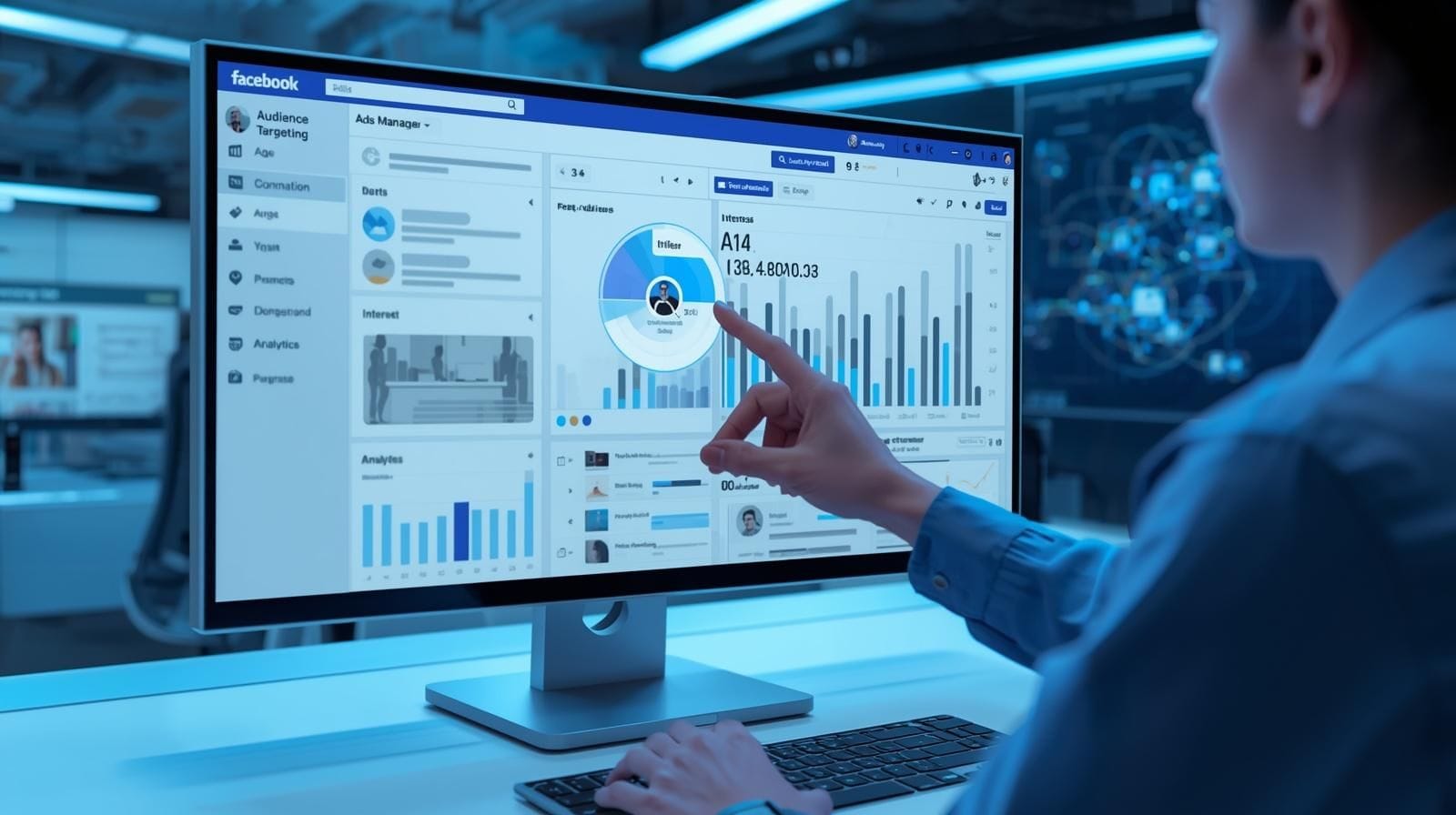
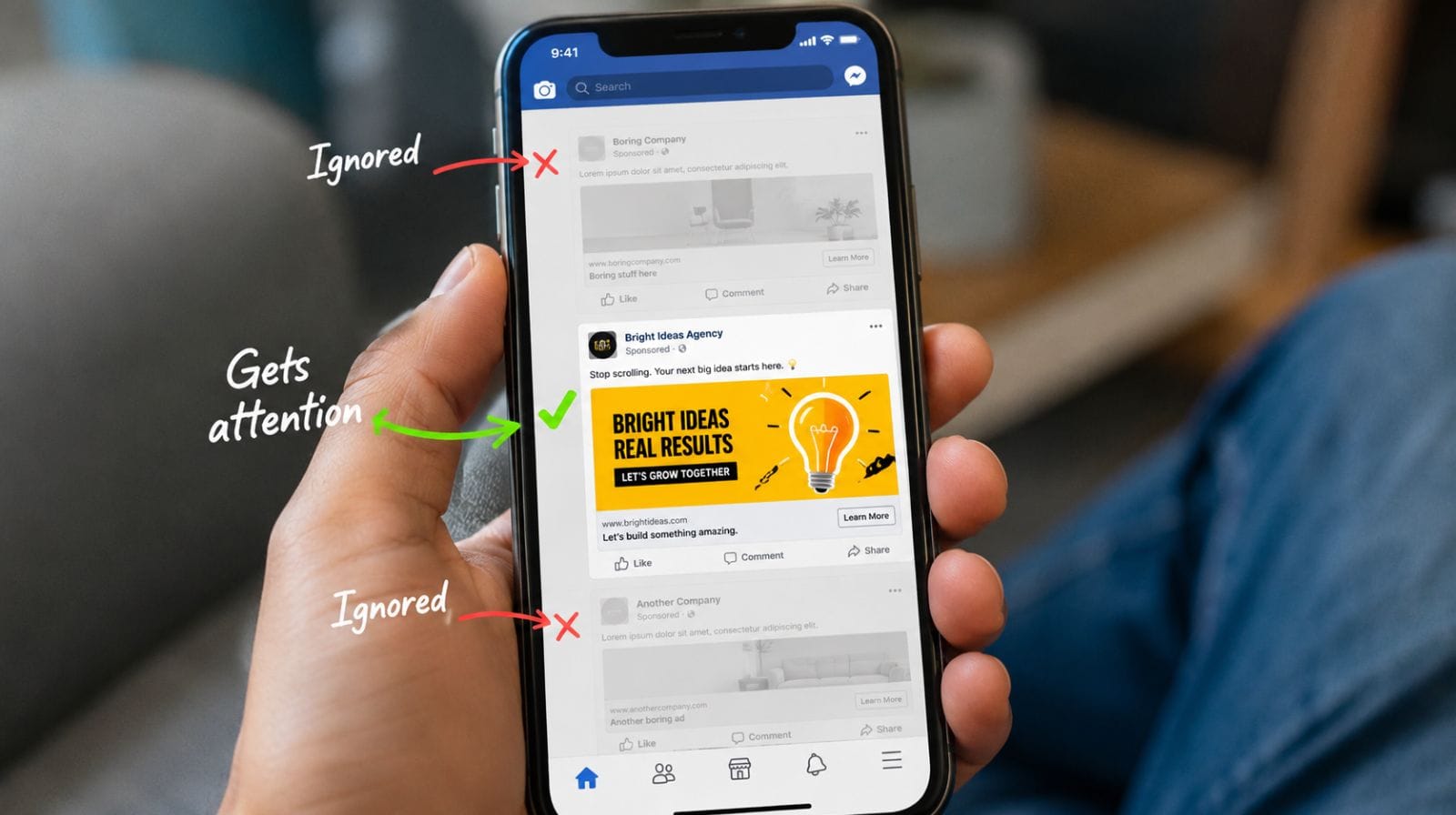
You’re not gaining the focus that you’re looking for in your Ad Creative.
People scroll fast. It’s less than two seconds to stop them.
Flaky imagery, lackluster headlines, and ad copy all destroy the effectiveness of your ad. Facebook likes to give rewards for full engagement. When people don’t read your ad, it’s displayed less and costs you more.
The following video explains what makes a strong ad creative.
Include strong images and/or brief videos.
Display a ‘real person’ or a ‘Real result’.
Avoid stock photos. They feel fake. People skip them.
Include text on your visual – try to keep it as simple and to the point as possible.
Make your headline tell a story that elicits interest or provides a benefit. Mix’em, and you’ll see a winner.
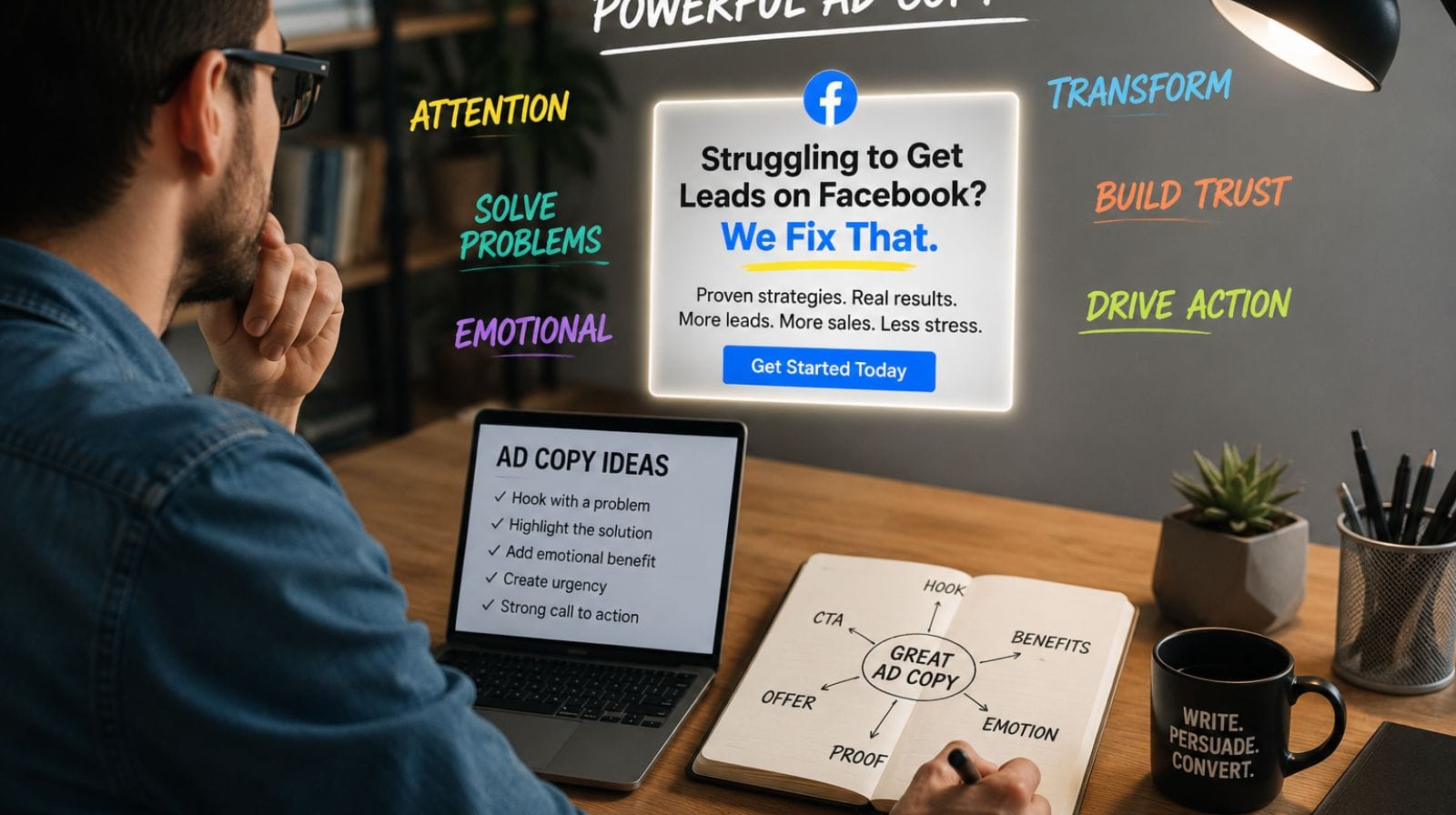
Your advert copy is not linking!
You need to have a beautiful image and much more. You tell, and that helps as well.
The primary reason for weak copy is that it discusses the product rather than the customer’s issue. People have no interest in your product. They’re interested in its purpose.
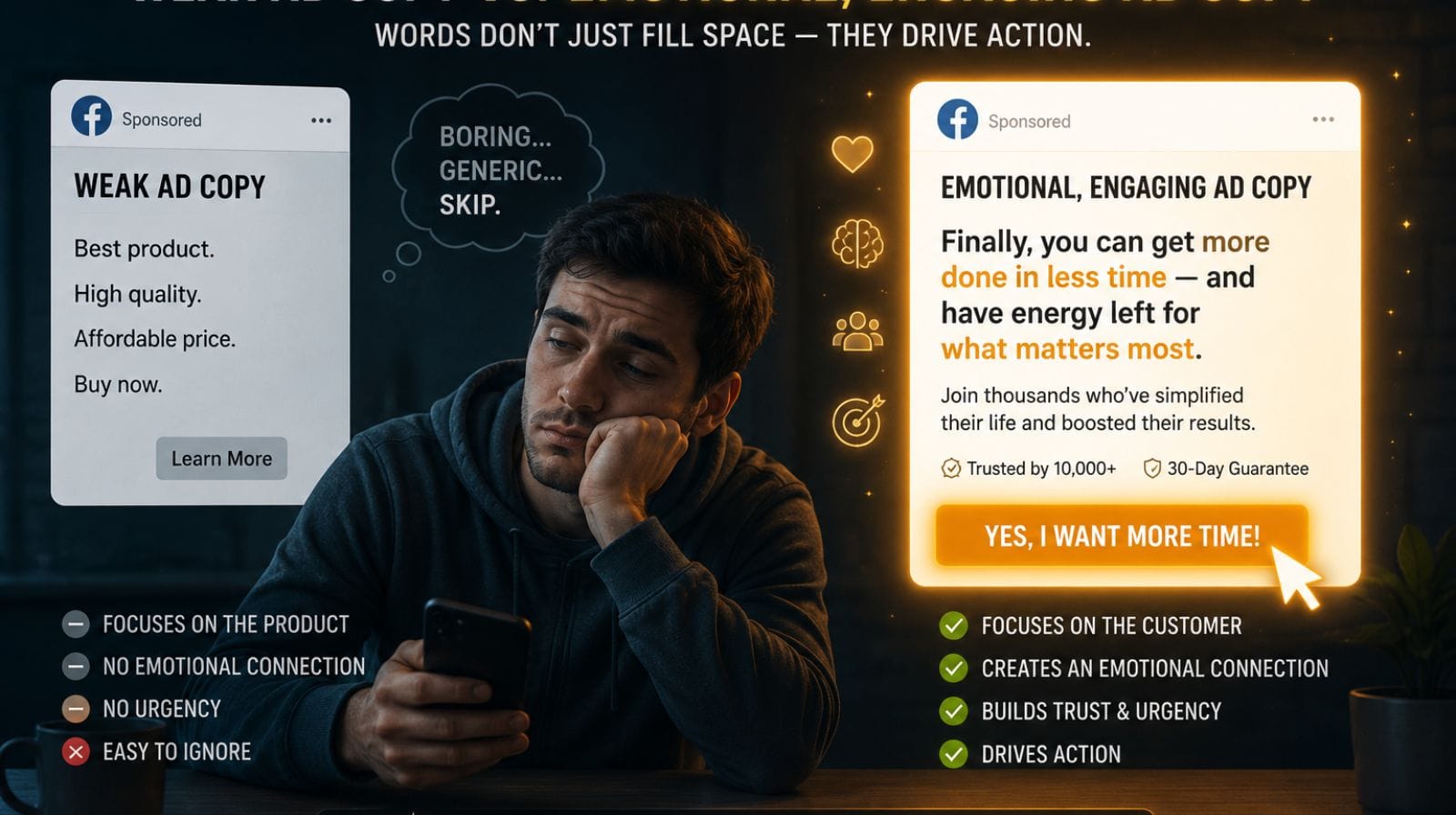
Here are a few tips for writing ad copy that works to better effect.
Work on your users’ pain points.
Use it as a guide and complete it with a solution.
Include social proofing such as a number, result, or a testimonial.
Use a powerful, compelling call to action (CTA).
Don’t use generic CTAs such as “Click Here. Include specific phrases, such as the one above.
Your Landing Page Is Letting You Down!
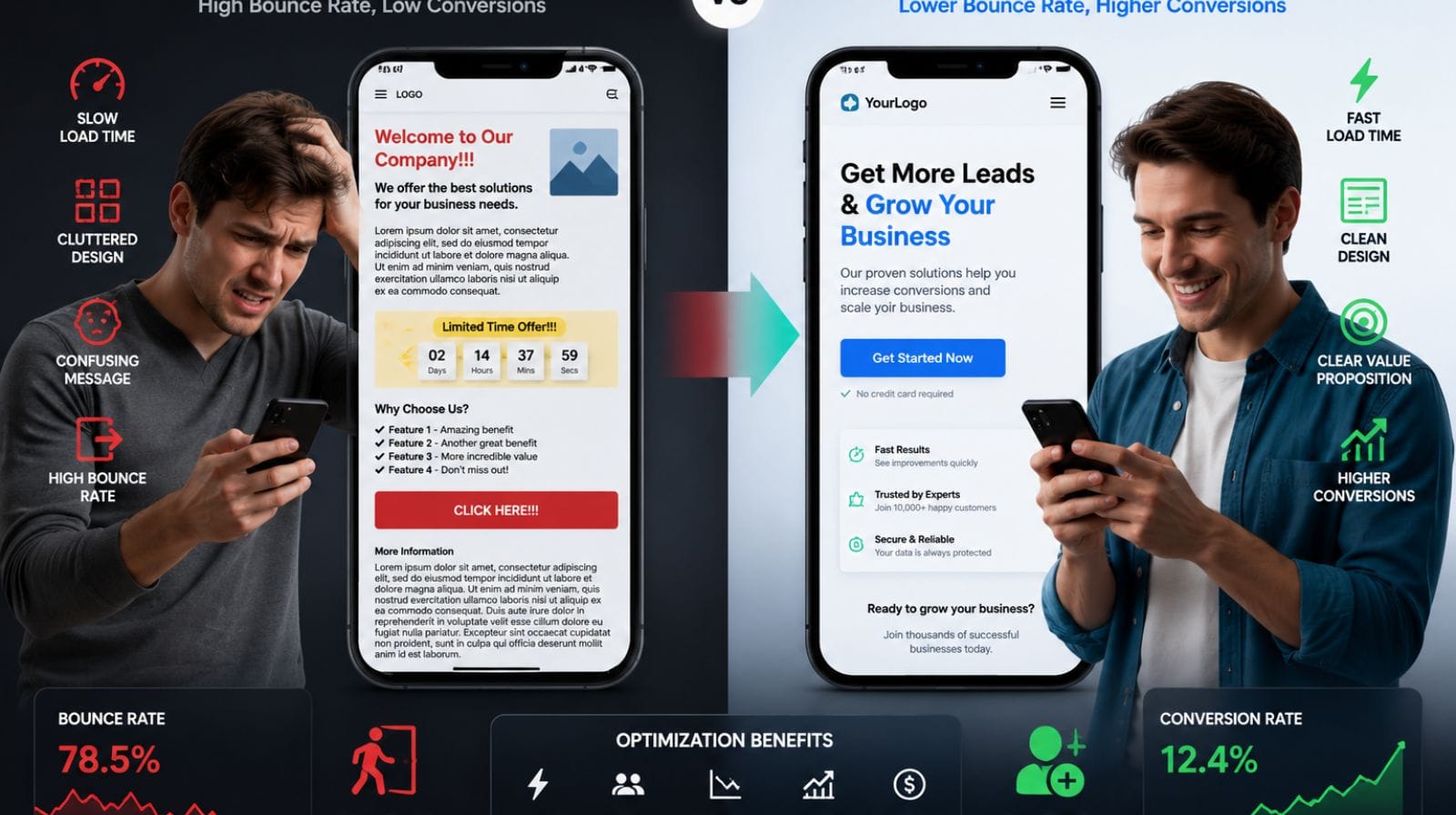
Your ad is triggered by a click. But then what?
Even a slow, confusing, or non-mobile-friendly landing page will drive away the users. In that case, it would be a high bounce rate. And it’s the death of your ROI on advertising ROI or ROI on ads.
Landing Page Mistakes to Fix
- Ensure that no more than 3 seconds are required for your web page to load.
- Using a page message similar to your ad helps ensure the page is consistent with your marketing.
- Remove distractions. One page. One goal. One CTA.
- Optimize for mobile. A majority of Facebook users are scrollers on their phones.
Facebook gets to know what happens after the click. An ineffective landing page also causes your landing page “relevance score” to drop, causing the ad to be more expensive.
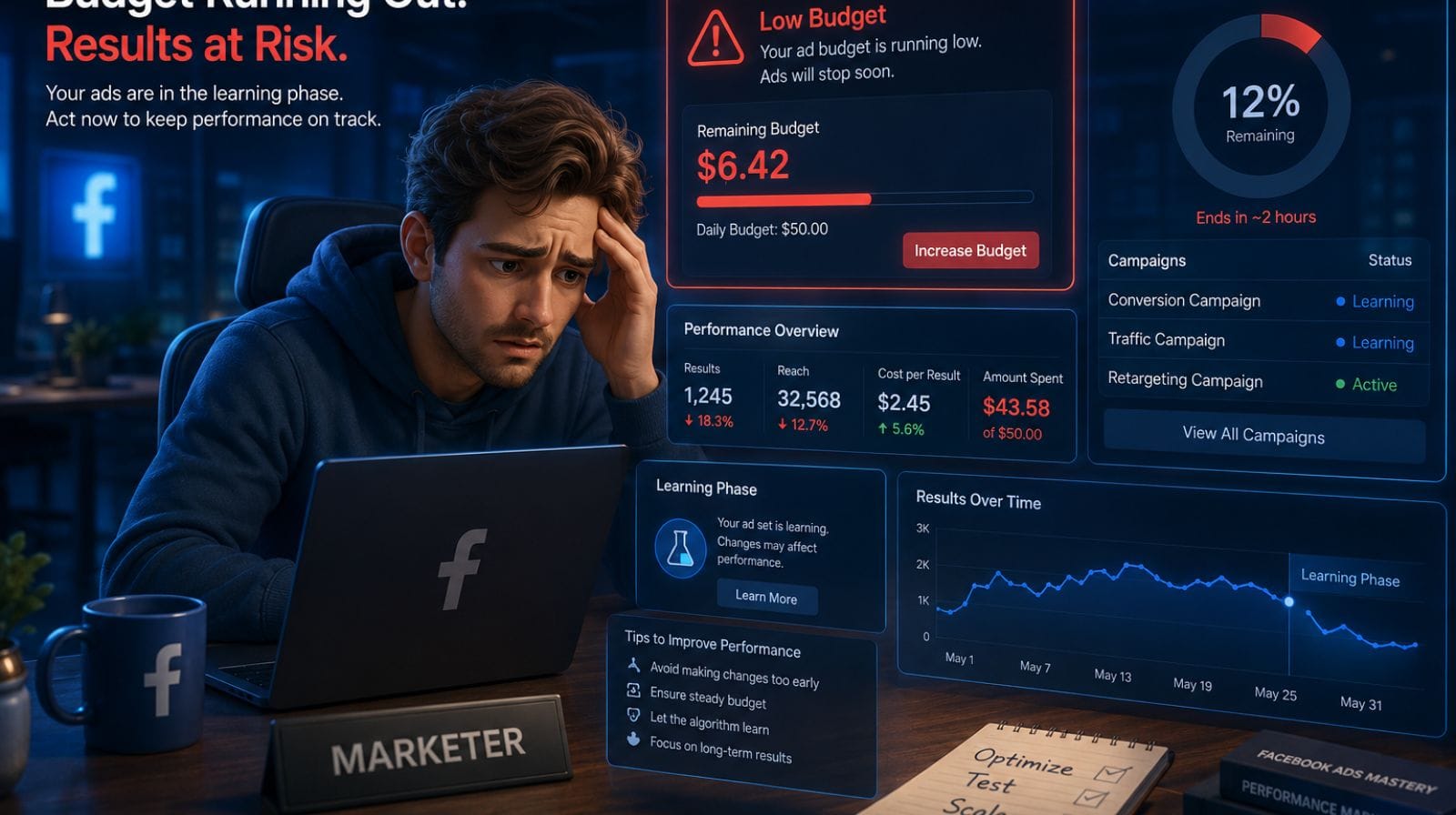
You don’t have enough money for your budget (or you’ve hurt it in some other way).
Facebook’s algorithm must work on data to learn. It should be a well-spent time to locate a suitable man for you.
If the budget to dedicate is too low, the algorithm does not leave the learning phase. Advertisements in the learning cycle phase don’t work well.
Budget Guidelines for income that can really be effective.
Establish a minimum per-day spend of at least $10-$20 with each Ad set.
Do not judge an ad until it has been on the Internet for at least a week.
Don’t make repeated changes. Learning phase resets with each edit.
Additionally, check your budget. If the first ad set isn’t converting and is draining all the budget, stop it and allocate the budget to other ad sets.
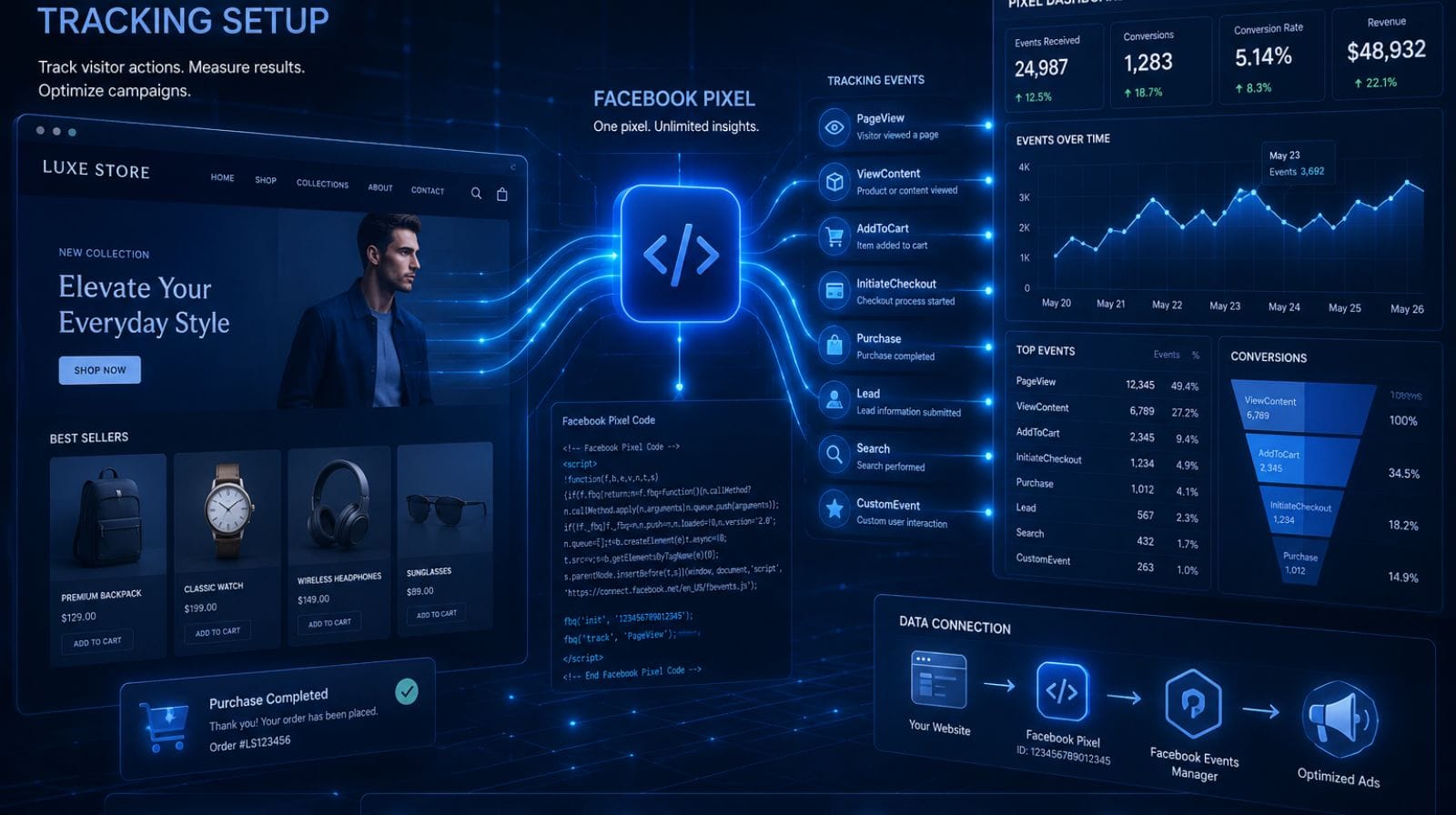
and more than 200, removing the Facebook Pixel step-by-step, to help you do it properly.
The Facebook Pixel is free to use and is just a little bit of code to put on your website. It will record actions taken after clicking on your advertisement.
If it’s not there, then you’re flying blind. Tracking conversions is not possible. You cannot retarget. Optimization goals don’t exist in reality.
Facebook Pixel Checklist
Copy and paste the pixel to all pages of your site.
Create sales events such as Purchase, Lead, and Add To Cart.
For more accurate tracking, use the pixel in conjunction with the Conversions API.
Make sure that your pixel is firing with the Facebook Pixel Helper Chrome Extension.
For any Facebook advertising campaign — it’s a must-have!
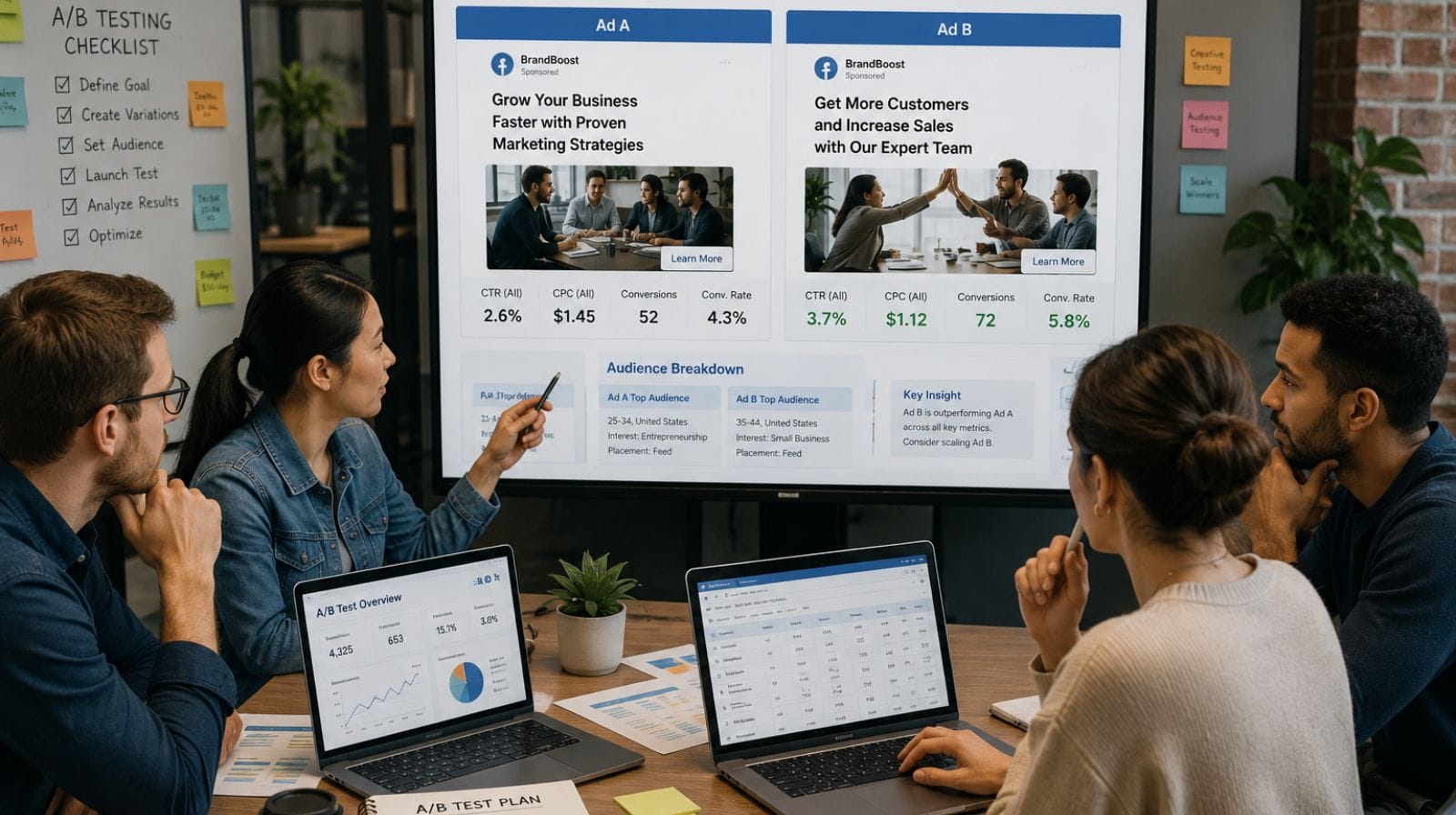
You Are Not Testing Your Ads
Ad 1 – hope it works, or it’s gambling.
The best-known advertisers ALWAYS run A/B tests! They try out various headlines, images, audiences, and CTAs. Upon this, they scale up that which works, and they nail back what doesn’t.
What to Test First
- Headline vs. headline — which gets more clicks?
- Image vs. video — which drives more engagement?
- Audience A vs. audience B — which converts better?
Only test one variable at a time. In that way, you are sure to determine what the crucial difference is.
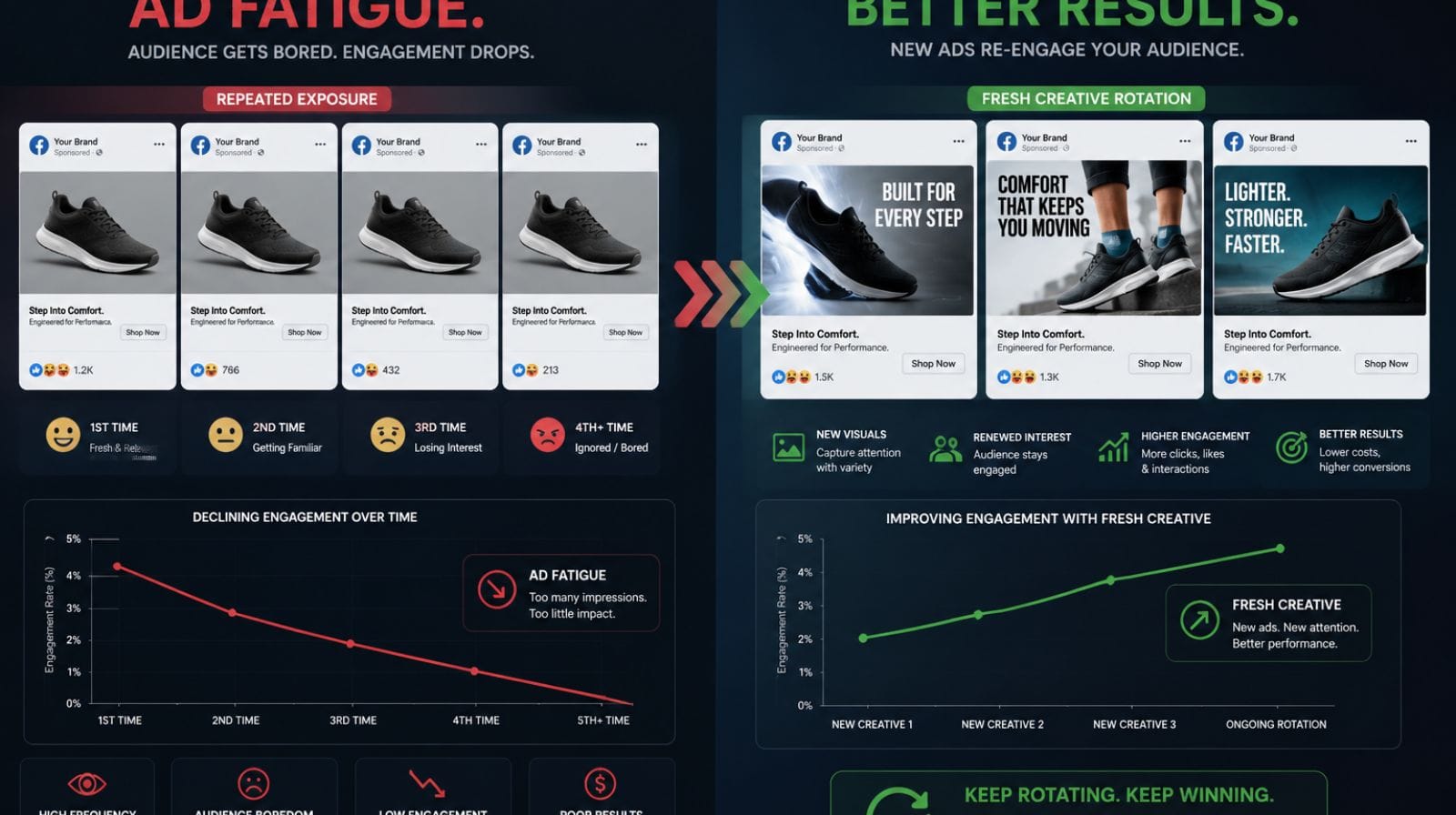
There are many reasons your results are suffering from the effects of ad fatigue.
Great advertising doesn’t last forever.
You don’t get any more repeat visitors when you’re repeated ad. This is known as “ad fatigue”. You have a lower click-through rate. The higher your cost per click is.
How to Avoid Ad Fatigue
- Change creative fractions on a weekly 2-3 week basis.
- Make 3 – 5 variations of the ad for each campaign.
- Keep track of your frequency score. Frequencies of 3 to 4 are warning numbers.
Fresh creatives continue to engage your audience, as long as you keep your costs minimal.
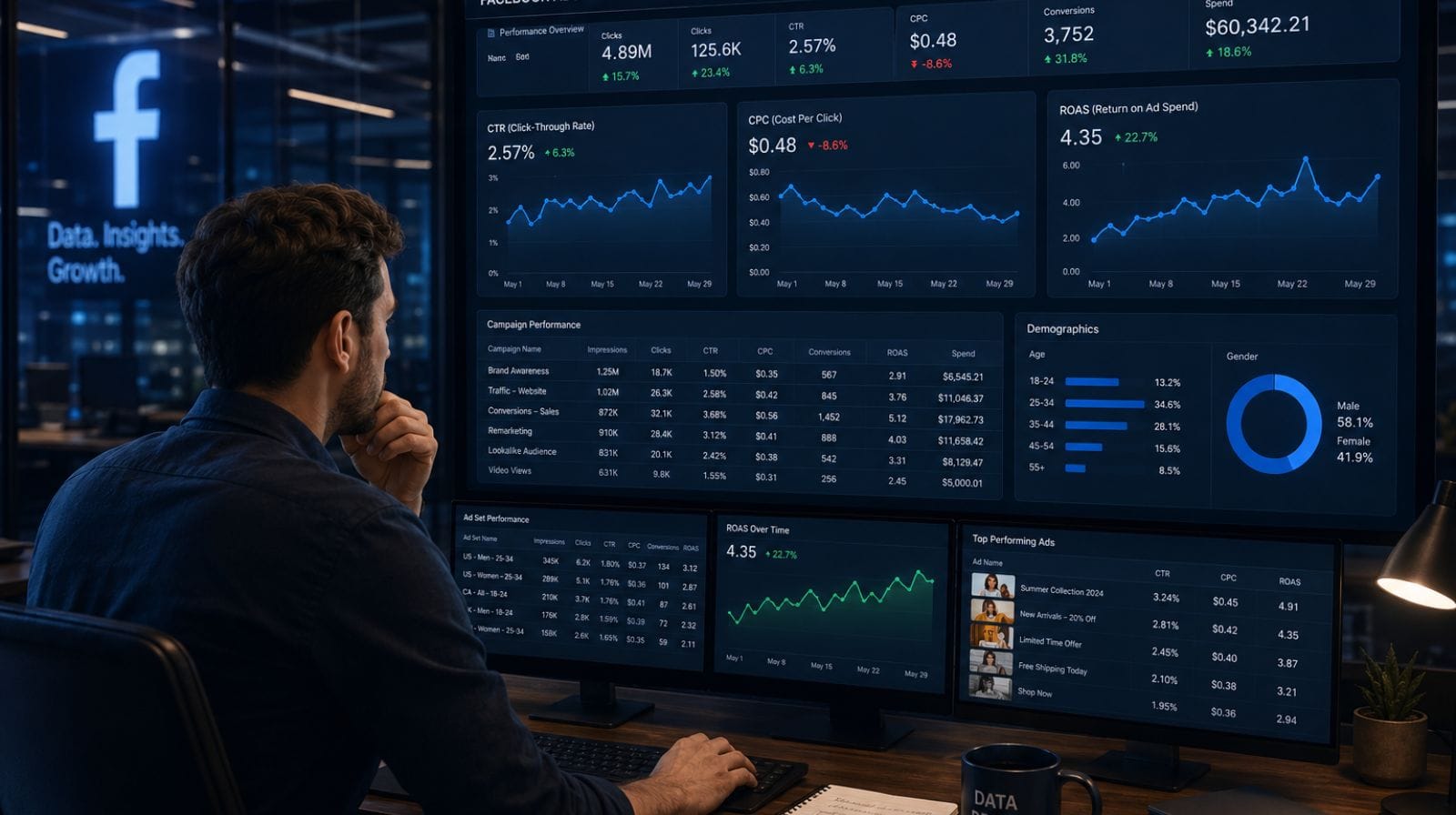
You are overlooking your campaign data!
Powerful analytics tools are at your fingertips on Facebook. They’re hardly the objects of the attention of most advertisers.
Your data provides you with information on what is working and what is not. The same errors will be made again if they are not addressed.
Top indicators to review daily.
Are people clicking (CTR)?
- Cost Per Click (CPC) — Do you incur too high a cost per click?
- ROAS (Return on Ad Spend) — Do your ads bring any profit?
- CPM (Cost Per 1,000 Impressions) – too competitive audience?
Once you grasp the reason that your Facebook ads aren’t performing through your data, you’ll fix it considerably more easily.
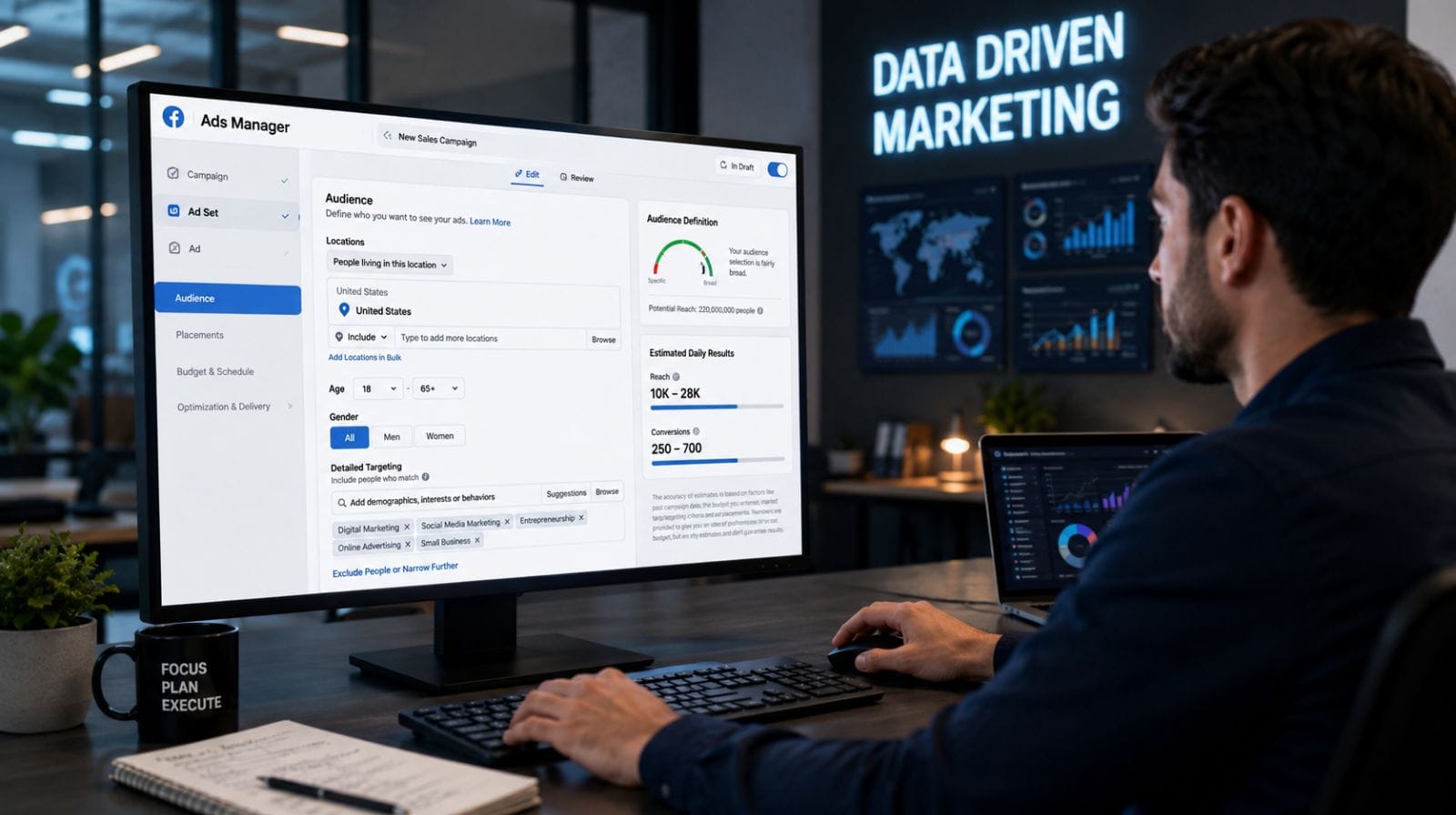
Final Thoughts
Facebook ads work and are effective. It does take strategy, patience, and continuous improvement, however!
The first step when adding goals is to resolve your targeting. After you make yourself more creative. Properly position your pixel. Test everything. Pay attention to information about the data.
Change for change’s sake isn’t a quick solution. Make the effort one step at a time, and you will see your Facebook campaigns begin to provide you with the results you’re looking for.
Frequently Asked Questions
Facebook has strict ad policies. Avoid words like "you," excessive claims, or sensitive topics. Review Facebook's Advertising Policies and resubmit.
The problem is usually your landing page or offer. Make sure your page is fast, mobile-friendly, and matches your ad message exactly.
ROAS of 3x or above is generally a good starting point. But it depends on your profit margins and business model.
Start with automatic bidding. Once you have enough data, switch to manual to control costs better.
This is ad fatigue. Your audience has seen it too many times. Refresh your creative or expand your audience.
Video usually gets higher engagement. But a strong image with bold text can outperform a weak video. Test both.
Rising CPM means more competition or ad fatigue. Rotate creatives, refresh your audience, or try a different ad format.
Yes. Start small and scale what works. Even $5–$10 per day can generate results if your targeting and creative are right.
Start with 2–4 ads per ad set. Too many ads split your budget and slow down the learning phase.
It is the period when Facebook's algorithm tests your ad with different people to find the best results. It usually needs at least 50 conversions per week to exit.