
Content Quality and Keyword Optimization
remain the cornerstone of on-page SEO. Creating comprehensive, valuable content that genuinely answers user queries should be your primary focus. However, strategic keyword placement matters too. Your primary keyword should appear naturally in the first 100 words, throughout the body content, and in your conclusion. The key is maintaining readability while incorporating keywords that match search intent—whether informational, navigational, or transactional.
Title Tags and Meta Descriptions
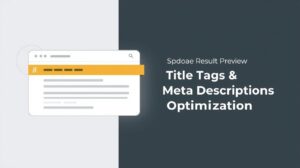
serve as your website’s first impression in search results. Your title tag should be compelling, include your target keyword near the beginning, and stay under 60 characters to avoid truncation. Meta descriptions, while not a direct ranking factor, significantly impact click-through rates. Craft them as mini-advertisements for your content, incorporating keywords naturally and staying within 155-160 characters.
Header Tag Hierarchy
provides structure that both users and search engines appreciate. Your H1 tag should clearly state what the page is about and include your primary keyword. Subsequent headers (H2, H3, etc.) should organize your content logically, making it scannable and helping search engines understand your content’s architecture.
URL Structure
might seem minor, but clean, descriptive URLs enhance both user experience and SEO. A URL like “yoursite.com/seo-techniques” is far superior to “yoursite.com/page?id=12345.” Keep URLs short, include relevant keywords, and use hyphens to separate words.
Internal Linking Strategy
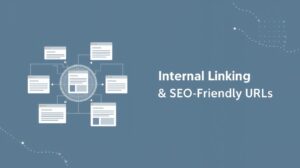
creates pathways through your website, distributing page authority and helping users discover related content. When linking internally, use descriptive anchor text that tells users and search engines what to expect on the linked page. Strategic internal linking can boost important pages and keep visitors engaged longer.
Image Optimization
affects both page speed and accessibility. Use descriptive file names and alt text that accurately describe images for visually impaired users and search engines. Compress images to reduce file size without sacrificing quality, and consider using modern formats like WebP for better performance.
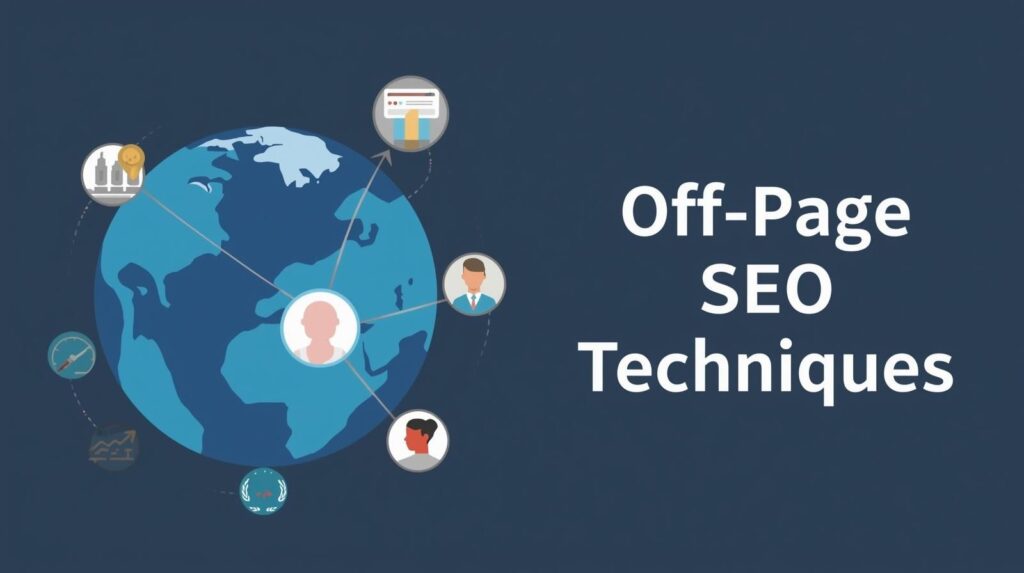
Link Building
remains the most influential off-page SEO factor. Search engines view backlinks as votes of confidence—the more high-quality sites linking to yours, the more authoritative you appear. However, quality trumps quantity every time. A single link from an authoritative industry publication carries more weight than dozens of links from low-quality directories.
Effective link-building strategies include creating link-worthy content like original research, comprehensive guides, or interactive tools that naturally attract links. Guest posting on reputable industry websites allows you to demonstrate expertise while earning valuable backlinks. Resource page link building involves finding pages that curate helpful resources in your niche and suggesting your content as an addition.
Digital PR and Brand Mentions

extend your reach beyond traditional link building. Even unlinked brand mentions—where someone references your brand without linking—contribute to your online authority. Monitoring these mentions and requesting links when appropriate can yield significant SEO benefits. Press releases, when genuinely newsworthy, can generate both links and brand visibility.
Social Media Signals
create indirect SEO benefits. While social shares aren’t direct ranking factors, they amplify your content’s reach, potentially leading to more backlinks and website traffic. A strong social presence also enhances brand credibility, which influences how users interact with your search listings.
Influencer Partnerships and Collaborations
tap into established audiences. When industry influencers share your content or collaborate with you, their endorsement carries weight with both their audience and search engines. This strategy works particularly well for building brand awareness and earning high-quality backlinks.
Online Reputation Management
shapes how your brand appears online. Positive reviews on Google Business Profile, industry-specific review sites, and social platforms build trust with potential customers and signal quality to search engines. Actively managing your online reputation includes responding to reviews, addressing negative feedback professionally, and encouraging satisfied customers to share their experiences.
What is Technical SEO?
Technical SEO forms the foundation that allows search engines to access, crawl, interpret, and index your website effectively. While users never see these behind-the-scenes elements, they’re critical for SEO success.
Website Architecture and Crawlability
determine how easily search engines navigate your site. A logical structure with a clear hierarchy—homepage connecting to category pages, which connect to individual pages—helps search engines understand your site’s organization. Your XML sitemap acts as a roadmap, listing all important pages for search engine crawlers. Meanwhile, your robots.txt file tells search engines which pages to avoid crawling, preventing wasted crawl budget on unimportant pages.
Page Speed Optimization
directly impacts both user experience and rankings. Google explicitly uses page speed as a ranking factor, and users abandon slow-loading sites quickly. Optimize speed by minimizing HTTP requests, enabling compression, leveraging browser caching, minifying CSS and JavaScript, and using a Content Delivery Network (CDN) to serve content from locations closer to your users.
Mobile-Friendliness
isn’t optional—it’s essential. With Google’s mobile-first indexing, the mobile version of your site is what gets indexed and ranked. Responsive design ensures your site adapts seamlessly to any screen size. Test your site’s mobile experience regularly and prioritize touch-friendly navigation and readable font sizes.
Core Web Vitals
measure real-world user experience through three specific metrics: Largest Contentful Paint (loading performance), First Input Delay (interactivity), and Cumulative Layout Shift (visual stability). These metrics directly influence rankings, making them priority technical SEO elements to optimize.
Structured Data and Schema Markup
help search engines understand your content’s context. Implementing schema markup can earn you rich results in search—those enhanced listings showing star ratings, recipe details, event information, or FAQ sections. While schema doesn’t directly improve rankings, the enhanced visibility often increases click-through rates significantly.
HTTPS and Security
protect user data and build trust. Google confirmed HTTPS as a ranking signal, and browsers now flag non-secure sites, potentially scaring away visitors. Installing an SSL certificate is a straightforward technical SEO must-do.
Fixing Technical Errors
maintains site health. Regularly audit for broken links, 404 errors, redirect chains, and duplicate content issues. Use tools like Google Search Console to identify and address crawl errors, ensuring search engines can access all your important content.