


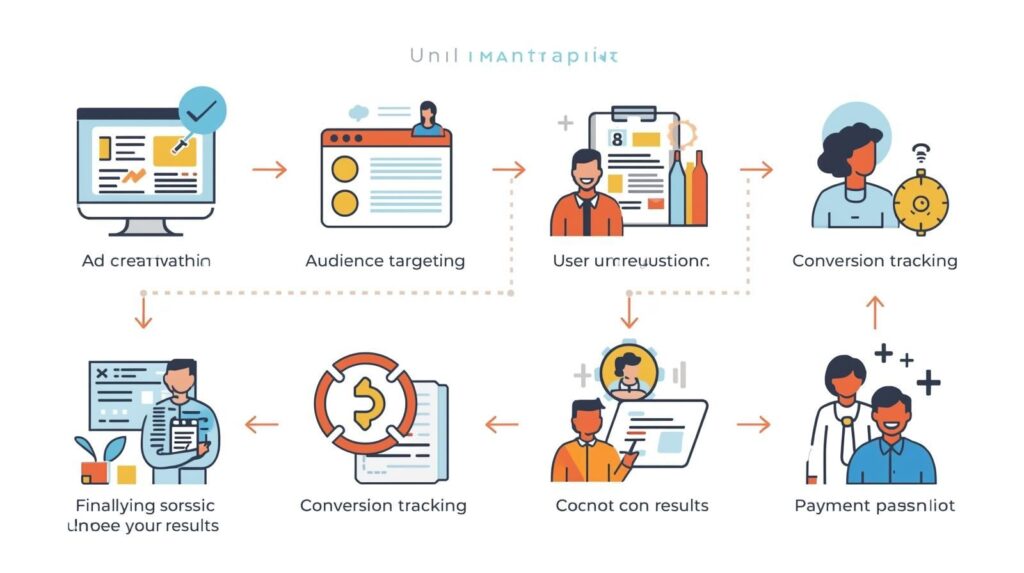
How This Advertising Model Operates
The process begins with defining a clear objective. Businesses decide what action they want users to take, such as purchasing a product or requesting a consultation. Once the goal is set, ads are created and shown to a targeted audience using digital platforms.
Advanced tracking tools monitor user behavior, ensuring that every action is recorded accurately. Advertisers are charged only when the agreed-upon result occurs, making the system fair and data-driven.
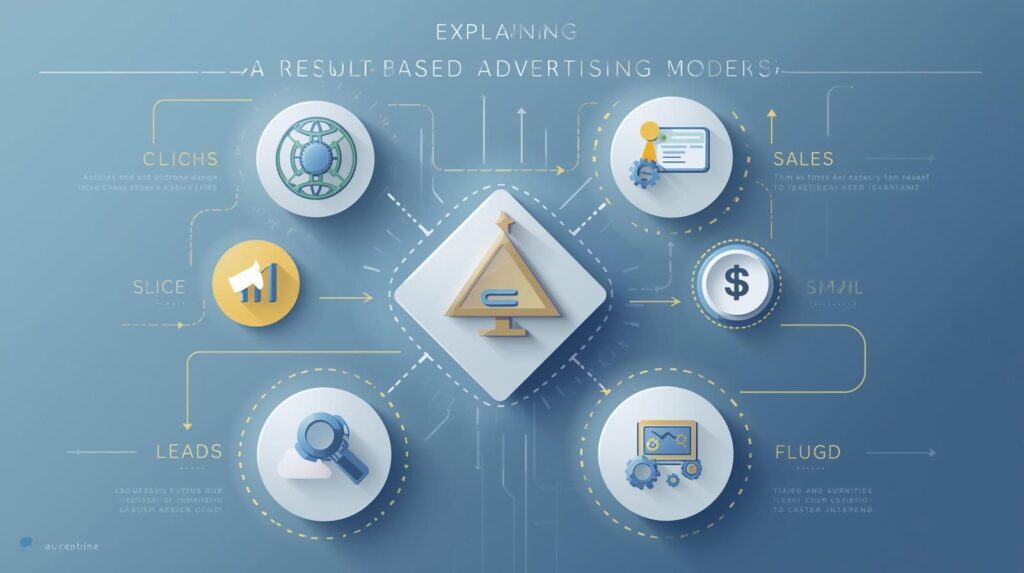
Common Pricing Models Used
Several pricing structures are commonly used in outcome-focused advertising:
Pay Per Click (PPC)
Payment is made when a user clicks on an advertisement. This model is widely used on search engines.
Cost Per Lead (CPL)
Advertisers pay when a potential customer submits their contact details or completes a form.
Cost Per Acquisition (CPA)
Payment occurs only when a sale or conversion is completed, making it ideal for e-commerce businesses.
Affiliate-Based Promotions
Partners earn commissions for driving sales or leads, ensuring mutual benefit.
App Install Campaigns
Businesses pay for each successful app installation, often used in mobile marketing.
Why Businesses Prefer Result-Oriented Advertising
This advertising approach offers multiple advantages:

Better Budget Control
Since payments are tied to actions, businesses avoid unnecessary spending.
Clear Performance Tracking
Every campaign can be monitored in real time, providing detailed insights.
Reduced Marketing Risk
Advertisers don’t pay unless results are achieved.
Improved Targeting
Ads are shown to users most likely to convert based on data and behavior.
Easy Scalability
Once a campaign proves profitable, it can be scaled without increasing risk.
Comparison with Traditional Advertising
Traditional advertising focuses mainly on exposure through TV, radio, or print media. While it can increase brand awareness, measuring actual results is difficult.
Result-based digital campaigns, on the other hand, provide clear data on what works and what doesn’t. This makes optimization easier and outcomes more predictable.
Platforms Supporting Result-Focused Campaigns
Several digital platforms support this advertising model effectively:
Search engines for intent-based traffic
Social media networks for audience targeting
Video platforms for visual engagement
Affiliate networks for partnership marketing
Native advertising platforms for content-based promotion
The choice of platform depends on business goals and audience behavior.
Important Metrics to Monitor
To ensure success, marketers track key performance indicators such as:
Click-through rate
Conversion rate
Cost per action
Return on ad spend
User engagement levels
Analyzing these metrics helps improve campaign efficiency over time.
Challenges and Limitations
Despite its advantages, this advertising model is not without challenges. Competition in popular industries can increase costs. Accurate tracking requires technical setup, and constant optimization is necessary to avoid audience fatigue.
However, these issues can be managed through creative testing, audience refinement, and data-driven decision-making.
Best Practices for Long-Term Success
To achieve consistent results, businesses should:
Set realistic and measurable goals
Create compelling ad creatives
Optimize landing pages for conversions
Test multiple variations of ads
Retarget interested users
Continuously analyze performance data
Consistency and optimization play a crucial role in maximizing returns.
Role of Technology and AI
Modern advertising platforms now use artificial intelligence and machine learning to optimize campaigns automatically. These technologies analyze user behavior, predict outcomes, and adjust targeting in real time, making result-driven advertising even more effective.
This evolution has strengthened performance-based advertising, allowing businesses to achieve better results with smarter automation.
Conclusion
Outcome-focused advertising has transformed the way businesses approach digital marketing. By prioritizing measurable actions over visibility alone, companies can achieve higher efficiency, better ROI, and stronger growth.
As competition continues to rise, adopting data-driven and accountable advertising strategies is no longer optional—it’s essential. Businesses that invest wisely in result-oriented campaigns will remain ahead in the digital marketplace.