

In today’s digital-first world, having a brilliant product or service isn’t enough—you need a strategic online marketing plan to ensure your brand reaches the right people at the right time. Whether you’re launching a startup or revitalizing an established brand, understanding how to plan online marketing for a brand is essential for building visibility, trust, and long-term growth. A well-crafted online marketing plan acts as a clear roadmap, guiding your efforts toward digital success through focused strategies that deliver real, measurable results.
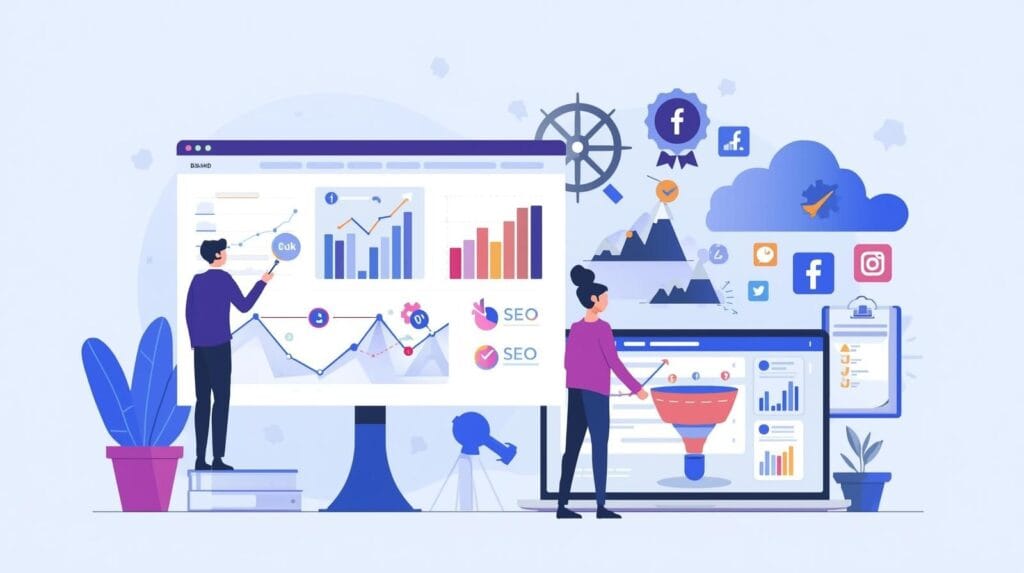
Understanding Your Brand Foundation
Before you dive into tactics and channels, you must have crystal clarity about your brand itself. This foundational work might seem basic, but it’s where many brands stumble. Take time to articulate your brand identity: What do you stand for? What makes you different? What emotions do you want to evoke in your customers?
Your unique value proposition (UVP) is the cornerstone of all your marketing messaging. It’s not just what you sell—it’s why someone should choose you over dozens of competitors. For instance, if you’re a sustainable fashion brand, your UVP isn’t just “eco-friendly clothing” but perhaps “stylish, affordable fashion that doesn’t cost the earth.” This clarity will inform every piece of content you create and every campaign you run.

Understanding your current market position is equally crucial. Are you the disruptor challenging industry giants? The premium option? The budget-friendly alternative? Your position shapes your tone, your channels, and your entire marketing approach.
Setting Clear, Measurable Objectives
Vague goals like “increase brand awareness” or “get more customers” won’t cut it. You need SMART objectives: Specific, Measurable, Achievable, Relevant, and Time-bound. Instead of “increase sales,” aim for “increase online sales by 30% in Q2 through targeted social media advertising and email campaigns.”
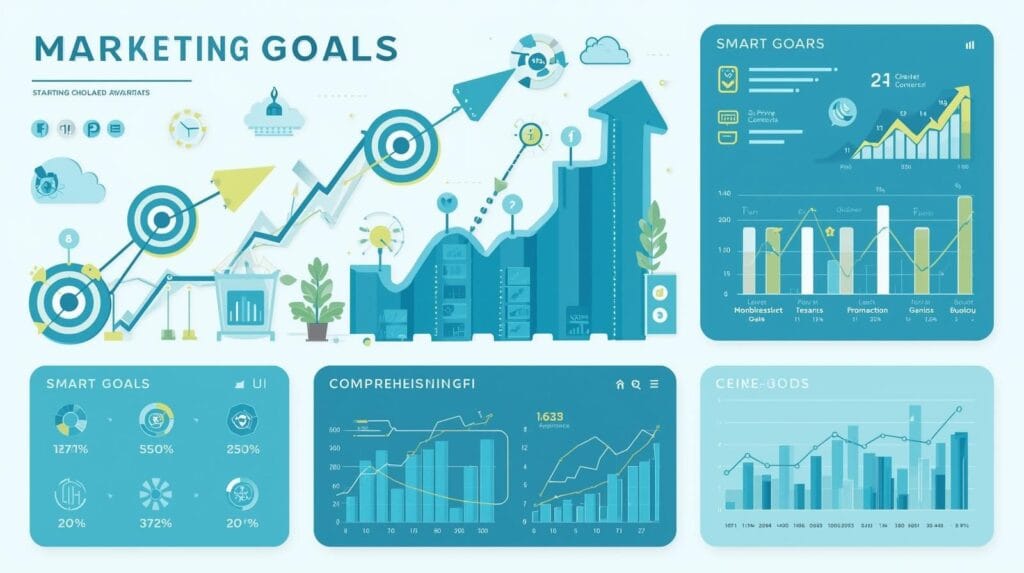
Align your marketing objectives with broader business goals. If your company aims to enter a new market segment, your marketing objectives should include specific targets for reaching and engaging that audience. Distinguish between short-term wins (like boosting engagement on your next product launch) and long-term objectives (like becoming the go-to authority in your niche within 18 months).
Identifying and Understanding Your Target Audience
Here’s a truth that separates successful brands from struggling ones: you cannot market to everyone. Even if your product theoretically appeals to a broad audience, your marketing must speak to specific segments with precision.
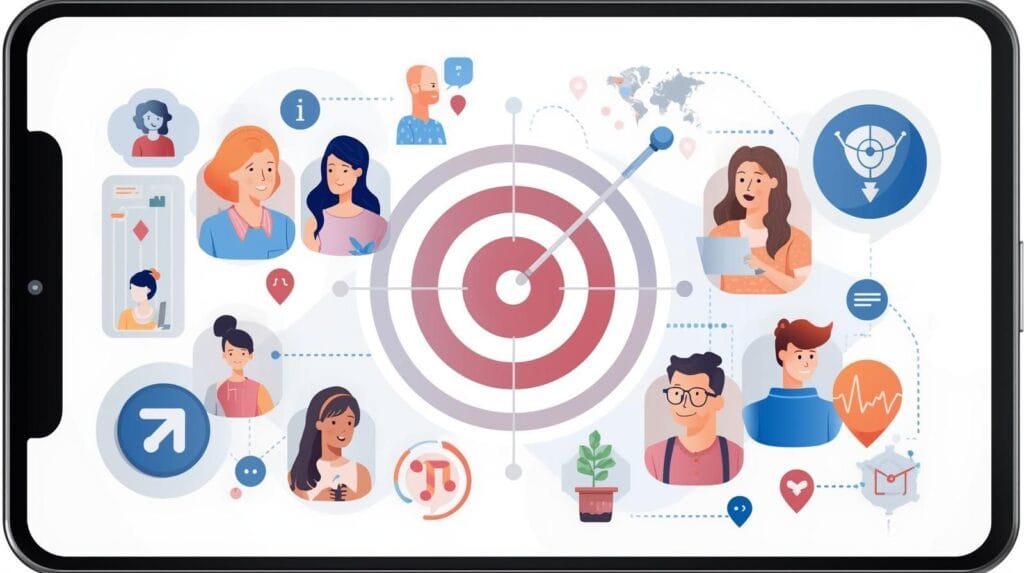
Develop detailed buyer personas—semi-fictional representations of your ideal customers. Go beyond demographics. Yes, include age, location, and income, but dig deeper: What keeps them awake at night? What are their aspirations? Where do they spend time online? What influences their purchasing decisions?
For example, if you’re marketing project management software, one persona might be “Overwhelmed Olivia,” a startup founder juggling multiple responsibilities who values efficiency and simple interfaces. Another might be “Corporate Carlos,” an IT manager at a large company who prioritizes security, integration capabilities, and detailed reporting. These personas will speak different languages and hang out in different digital spaces.
Conducting Competitive and Market Analysis
You don’t operate in a vacuum. Understanding your competitive landscape is essential for finding your edge. Identify 5-10 direct competitors and analyze their online presence systematically. What platforms are they active on? What type of content performs best for them? What are customers saying in their reviews—both positive and negative?

Use tools like SEMrush, Ahrefs, or even simple Google searches to understand what keywords they’re ranking for and what paid campaigns they’re running. But don’t just copy what competitors do. Look for gaps—topics they’re not covering, audiences they’re ignoring, or channels they’re underutilizing. These gaps represent your opportunities.
Choosing the Right Digital Marketing Channels
This is where strategy meets reality. Not every channel will be right for your brand, and spreading yourself too thin is a recipe for mediocrity across the board. Choose channels based on where your audience actually spends time and what aligns with your resources.
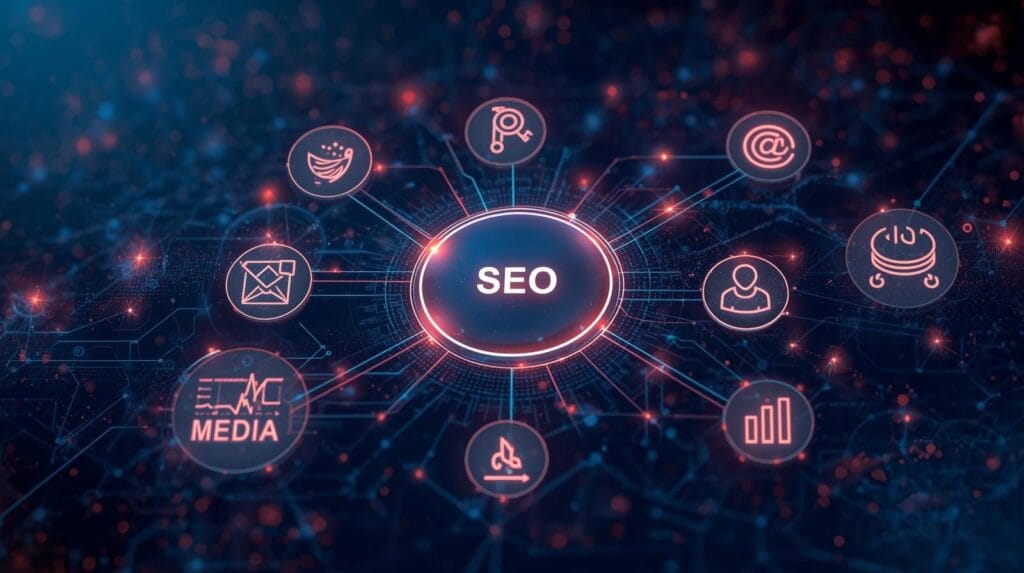
Social Media requires careful platform selection. LinkedIn might be essential for B2B software but less relevant for a youth fashion brand.
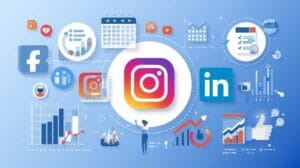 Instagram and TikTok dominate for visual, lifestyle brands. Facebook still offers powerful targeting for many demographics despite what headlines might suggest.
Content Marketing through blogs, videos, podcasts, or infographics establishes authority and feeds your SEO efforts.
 If you’re in a complex industry where buyers need education, content marketing isn’t optional—it’s central.
Email Marketing remains one of the highest-ROI channels when done right. It’s your owned channel, not subject to algorithm changes, and allows for personalized, direct communication.
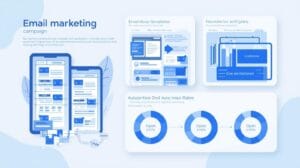
SEO is a long game that compounds over time. If people search for solutions you provide, investing in SEO is non-negotiable.
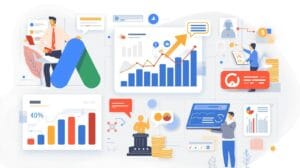
 SEM (paid search) can deliver immediate results while your organic presence builds.
Paid Advertising across platforms like Google Ads, Facebook Ads, or LinkedIn Ads can accelerate growth, but requires careful management and ongoing optimization.
Developing Your Content Strategy
Content is the fuel that powers most digital marketing channels. Your content strategy should define what you’ll create, why, and how often. Establish 3-5 content pillars—core themes that align with your expertise and your audience’s interests. For a fitness brand, pillars might include workout tutorials, nutrition advice, motivation, gear reviews, and success stories.
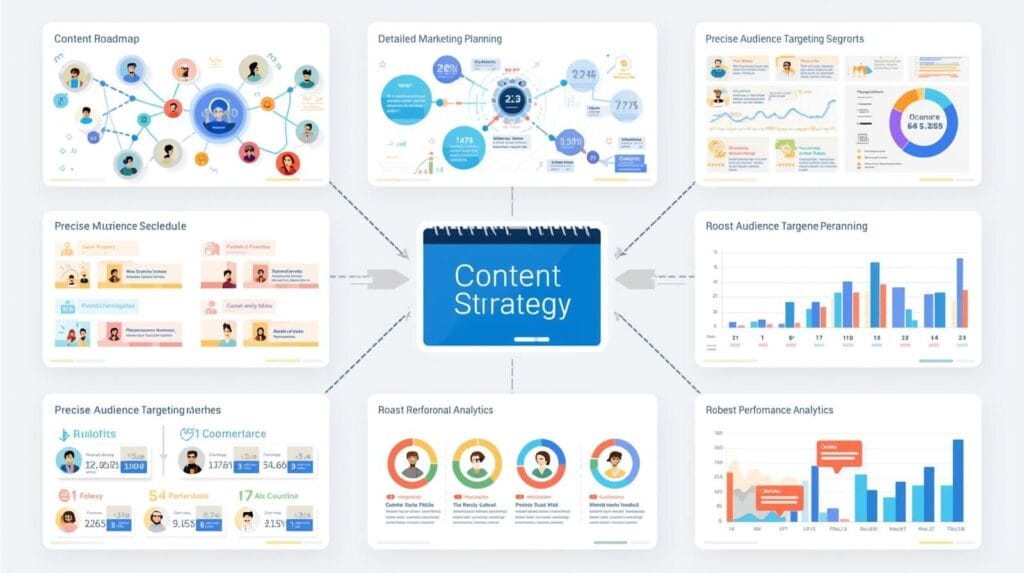
Create a content calendar that maps out at least 4-6 weeks in advance. Balance evergreen content (timeless pieces that drive long-term value) with timely, trending topics. Mix formats: blog posts, videos, infographics, podcasts, user-generated content, and interactive elements to keep your audience engaged.
Establishing Your Budget and Resources
Reality check time: what can you actually afford to invest in online marketing? Be honest about both monetary budget and human resources. A common breakdown allocates 40-50% to paid advertising, 20-30% to content creation, 10-20% to tools and technology, and 10-20% to testing and optimization.
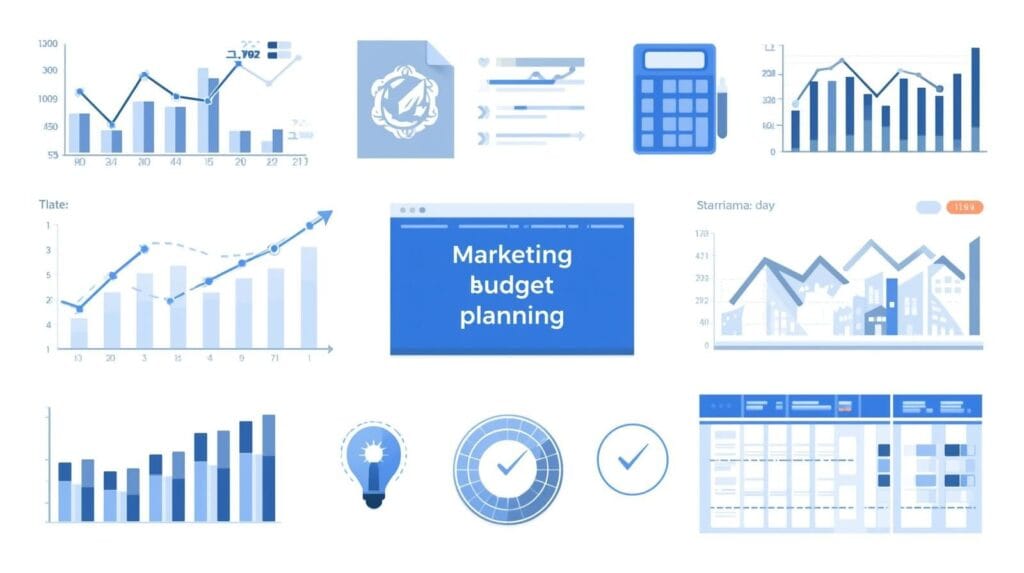
Decide what you’ll handle in-house versus outsource. Many brands handle day-to-day social media internally but outsource SEO, paid advertising, or video production to specialists. Invest in essential tools: analytics platforms, social media management tools, email marketing software, and project management systems.
Creating Your Timeline and Implementation Plan
Rome wasn’t built in a day, and neither is a successful online marketing presence. Create a phased rollout plan. Phase 1 might focus on establishing your foundation: website optimization, setting up analytics, creating core content pieces. Phase 2 could introduce paid advertising and more aggressive content production. Phase 3 might expand to new channels or markets.
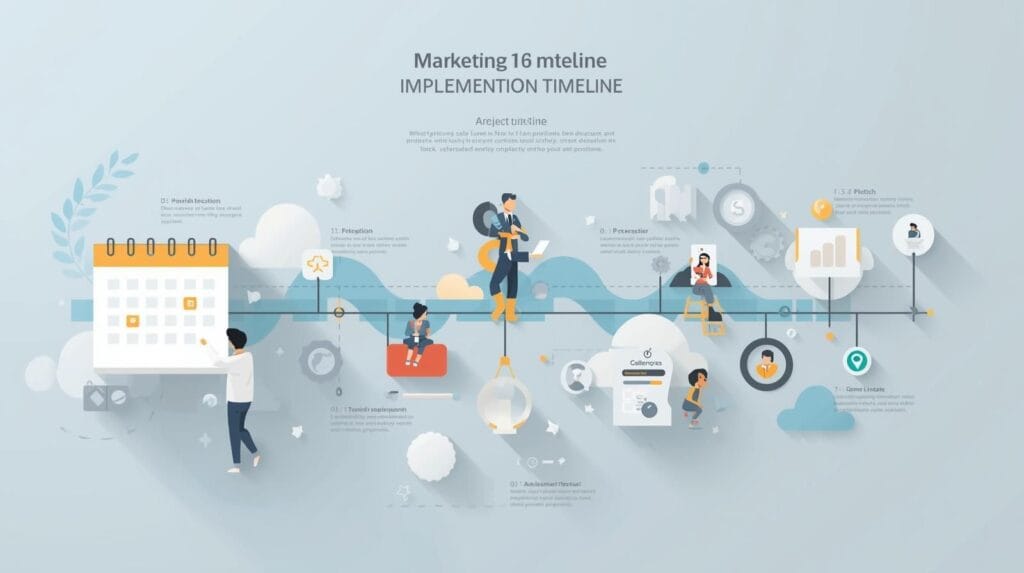
Identify quick wins—tactics that can show results within 30-60 days, like optimizing high-traffic pages for conversions or launching a targeted email campaign to existing contacts. Balance these with longer-term initiatives like building domain authority through consistent content publication.
Set clear milestones with specific deadlines. “Launch new website” is a milestone. “Achieve 10,000 email subscribers” is a milestone. These create momentum and allow for celebration of progress.
Measuring Success and Defining KPIs
What gets measured gets managed. Define key performance indicators (KPIs) for each objective. If your goal is brand awareness, track metrics like reach, impressions, social media followers, and branded search volume. For lead generation, focus on conversion rates, cost per lead, and lead quality. For sales, track revenue, customer acquisition cost, and customer lifetime value.

Set up proper tracking from day one. Install Google Analytics, configure conversion tracking for paid campaigns, and implement UTM parameters to understand which channels drive results. Create a reporting cadence—weekly for tactical adjustments, monthly for strategic review, quarterly for big-picture evaluation.
Optimization and Continuous Improvement
Digital marketing is never “set it and forget it.” The final, ongoing step is optimization. Run A/B tests on everything: email subject lines, ad copy, landing page designs, call-to-action buttons. Let data guide decisions, not assumptions.

Review performance regularly and be willing to pivot. If a channel isn’t delivering ROI after a fair trial, reallocate that budget to what’s working. Stay informed about platform updates, algorithm changes, and emerging trends in your industry. The digital landscape shifts constantly—agility is your competitive advantage.
Bringing It All Together
Planning online marketing for a brand is equal parts art and science. It requires strategic thinking, creative execution, and data-driven optimization. Start with a solid foundation in understanding your brand and audience, set clear objectives, choose the right channels for your unique situation, and commit to consistent execution and measurement.
Remember, the most sophisticated plan is worthless without action. When learning how to plan online marketing for a brand, the key is to start where you are, use what you have, and improve as you go. The brands that win online aren’t necessarily those with the biggest budgets—they’re the ones with clear strategies, authentic voices, and the persistence to continuously learn and adapt.
Your online marketing plan is a living document. Review it quarterly, update it based on learnings, and always keep your ultimate business objectives in focus. With thoughtful planning and committed execution, your brand can build a powerful online presence that drives sustainable growth.
🔹 FAQ Section
Online marketing planning is the process of defining goals, understanding the target audience, selecting the right digital channels, creating content strategies, allocating budget, and measuring performance to grow a brand online effectively.
An online marketing plan provides direction and clarity. It ensures that all marketing efforts are aligned with business goals, budgets are used efficiently, and results can be measured and optimized over time.
You can identify the right audience by creating detailed buyer personas based on demographics, behaviors, pain points, motivations, and online habits. Market research, surveys, and analytics tools also help refine audience insights.
The best channels depend on where your audience spends time. Common channels include social media marketing, SEO, content marketing, email marketing, paid advertising, and search engine marketing. Brands should prioritize quality over quantity.
There is no fixed rule, but many brands allocate 40–50% to paid ads, 20–30% to content creation, and the rest to tools, testing, and optimization. Budget allocation should be reviewed regularly based on performance.
Some tactics like paid advertising and email campaigns can show results within weeks, while SEO and content marketing usually take 3–6 months to deliver strong, long-term outcomes.
Key KPIs include website traffic, conversion rate, cost per lead, customer acquisition cost, engagement rate, email open rate, and return on investment (ROI), depending on campaign objectives.
An online marketing plan should be reviewed quarterly and updated based on performance data, market changes, audience behavior, and business goals.