
Impact of War on Digital Marketing

War does not remain on the battlefield. It penetrates all spheres of life – even the internet. The effect of war on digital marketing is actual, extensive, and speedy.

 It changes the way individuals act on the internet, the brand communication, and the way companies use their budget allocations.

This issue directly concerns you in case you handle a brand, place advertisements, or make content. We can go through all that you need to know.

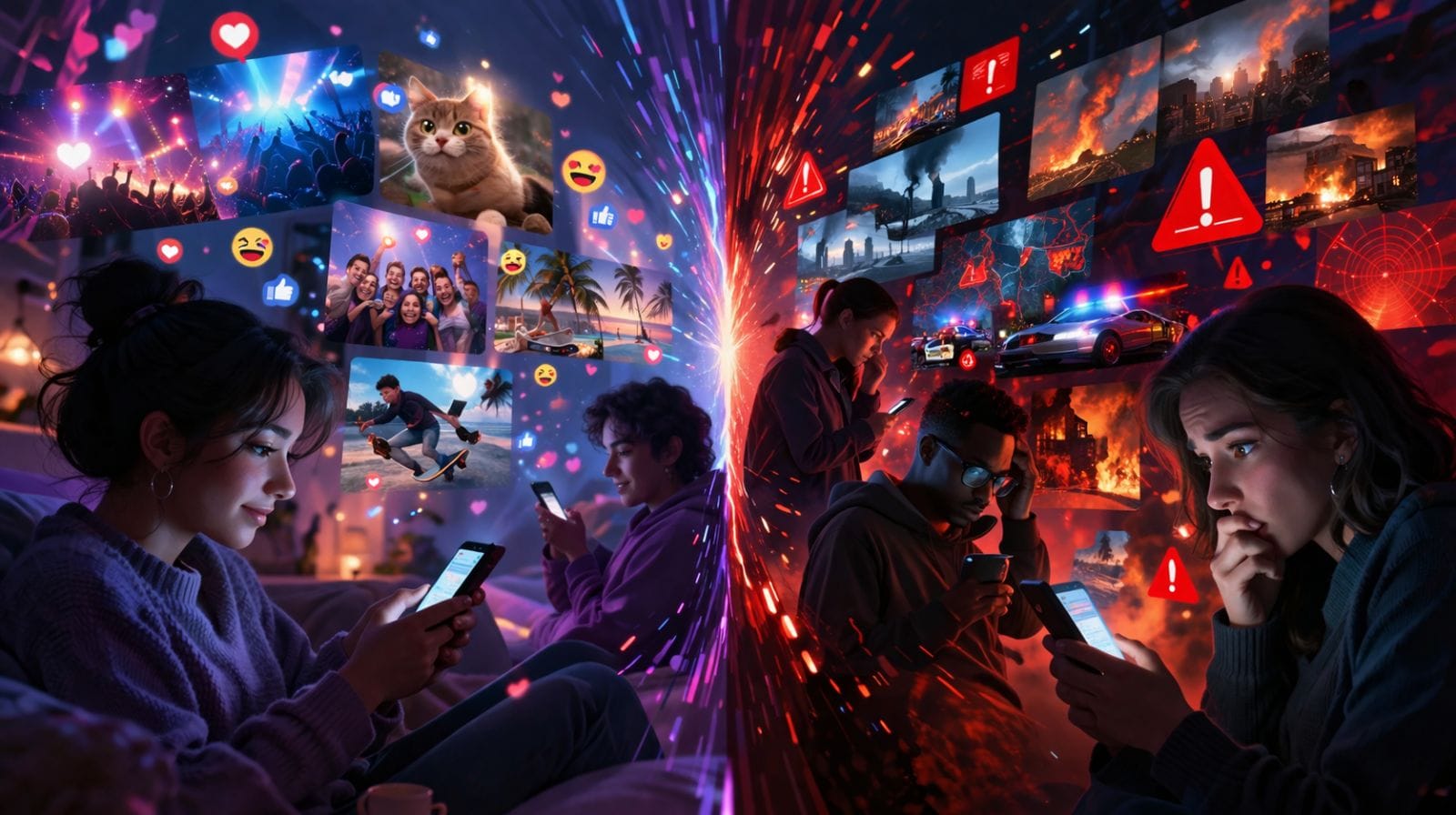
Change of Behavior of War Online in a Nightspan.

Whenever there is a breakout of conflict, the populace will turn to the internet.

They seek news. They share updates. They seek information on safety and emotional support.

This design is a gigantic migration in online behavior. Traffic patterns change. The search trends are running in unpredictable trends. Social feeds have gone from entertainment to emergency broadcast.

Those brands that fail to see this change soon lag. Others go as far as ruining their reputations by remaining on autopilot.

Change of Behavior of War Online in a Nightspan

The Problem of Why Consumer Mindset Changes So Fast.

The individuals lose thinking about purchasing in times of strife. Their priorities are on the top things, which are safety, family, and information.

The emotional burden is felt even by the people who are miles away and are not directly involved in the conflict zone. They are made more sensitive to what they see on the Internet.

This is to say that your same marketing tone will not be the right one. Jovial advertisements and overly sales-promotional ones may prove to be insensitive and inconsiderate.

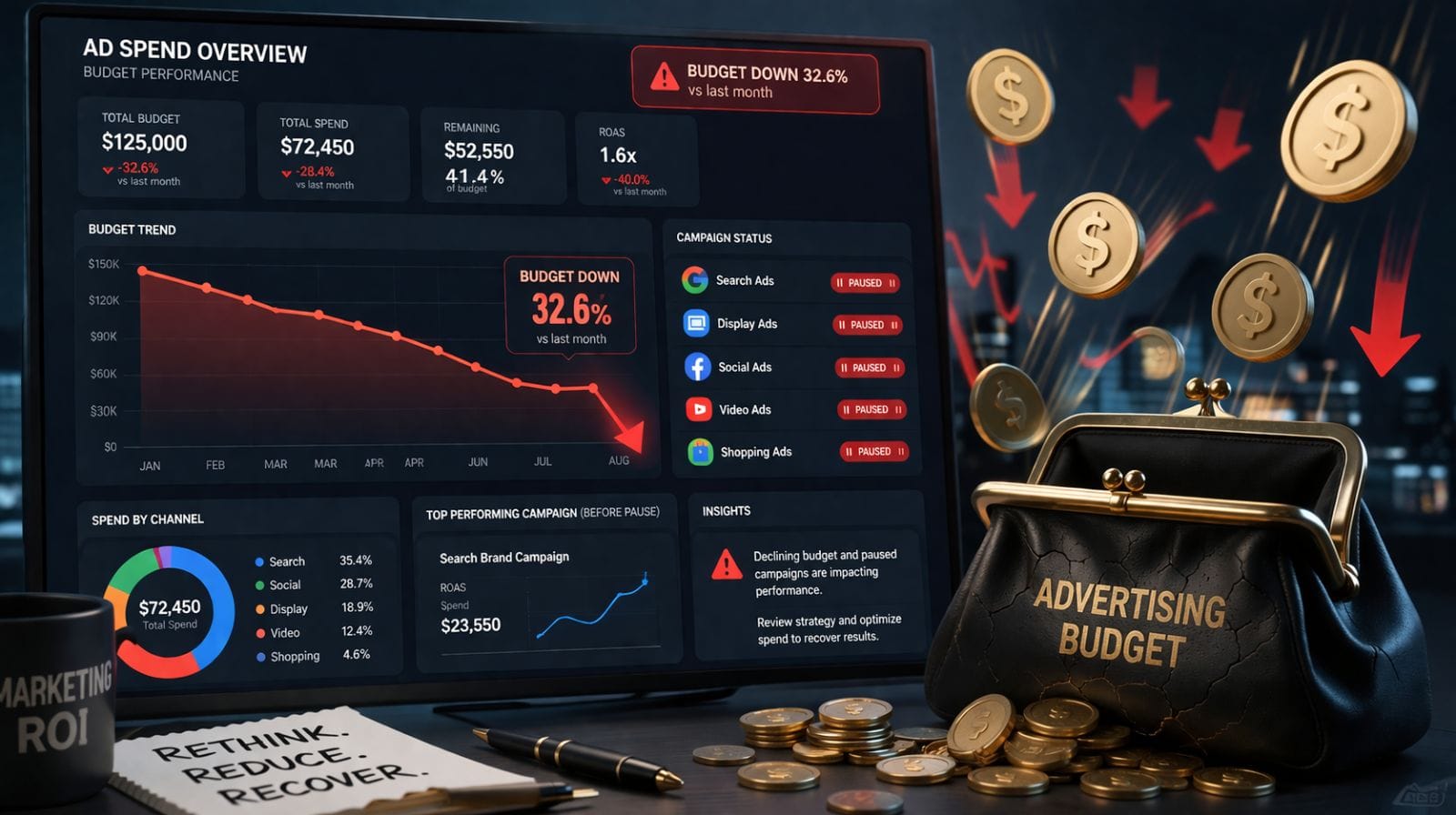
The Direct Hit on Computerized Advertising Purses.

The economic uncertainty arises due to war. Such uncertainty strikes a blow to ad spending.
The Direct Hit on Computerized Advertising Purses

The companies are straining their purse. The course of action here is as follows:


  • Marketing departments stop or decrease paid campaigns.
  • The interruption in the supply chain means there is no need to promote items that are out of stock.


  • International campaigns are risky because of currency volatility.


  • The pressure from investors forces the brands to reduce unnecessary expenses.


Numerous International brands shut down their advertisements when there were conflicts in the world. Not because it was their duty to do so, but because they did not wish to appear to be pitching in as far as tragedy was concerned.
Reactions of Ad Costs to Conflict

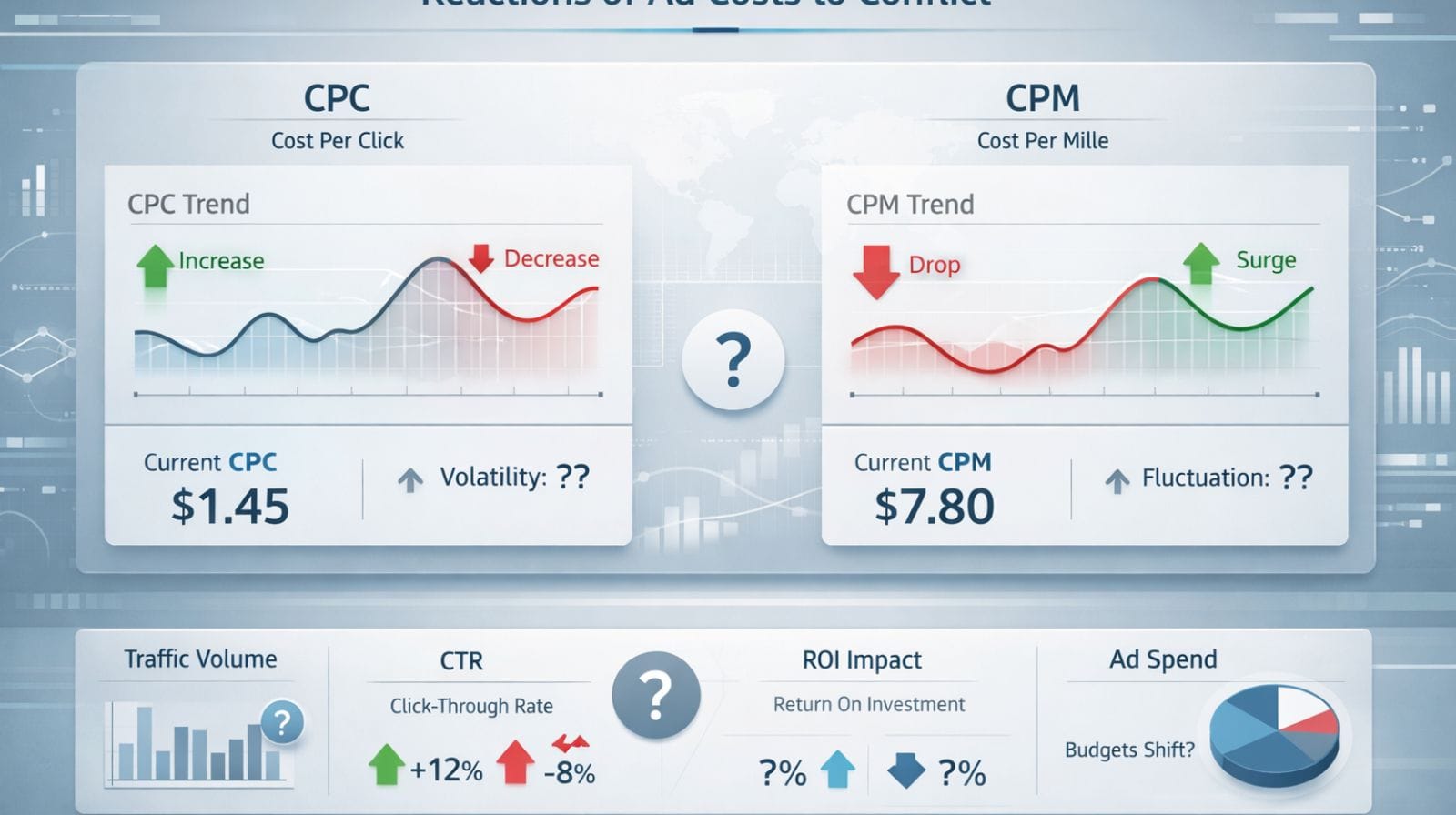
Reactions of Ad Costs to Conflict.

Ad costs will not necessarily increase in war. Sometimes they drop.

It is in cases where advertisers are few and competition is minimal that both cost per click (CPC) and cost per million (CPM) may be reduced. This provides an open door avenue to astute marketers.

There are good times and bad times, and there are good messages and bad messages. Holding a discount campaign during a humanitarian crisis can ruin the brand’s confidence immediately.

Marketing to Social Media in Personnel Wellbeing of Armed Conflict

Marketing to Social Media in Personnel Wellbeing of Armed Conflict.

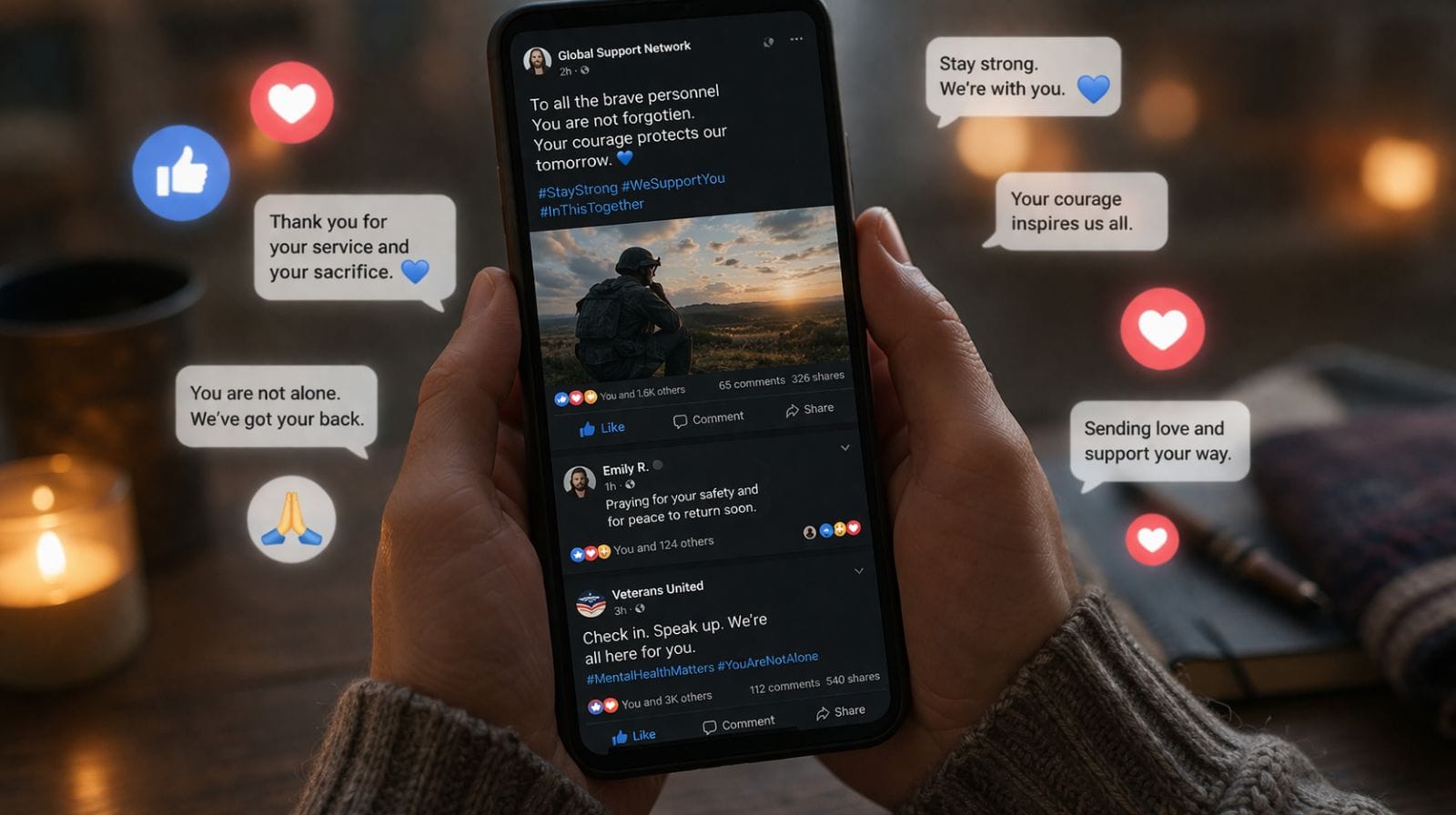
Social media has been turned into a place of news reporting in times of war. Individuals are no longer scrolling to have fun.

Instagram turns into the venue of solidarity posts. X (previously Twitter) gets full of real-time updates. Facebook has a community gathering to support one another.

Promotional content is buried or ignored. Worse still, it can be labeled as tone deaf.

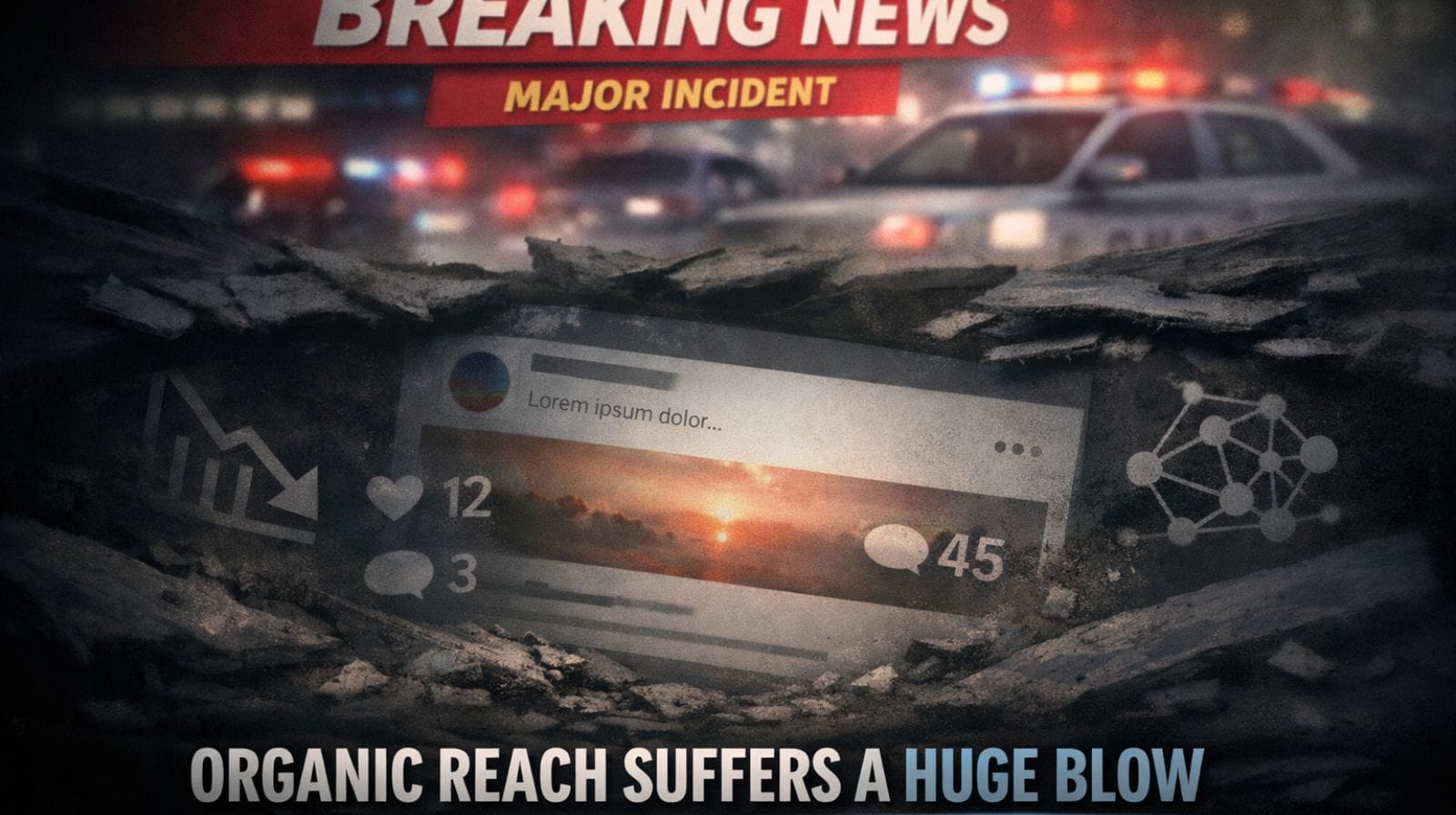
Organic Reach Suffers a Huge Blow

Organic Reach Suffers a Huge Blow.

Most platforms use algorithms that focus on breaking news and real-time updates in the events taking place in the entire world.

This drives branded content to the bottom. Organic reach has drastically decreased. The viewership also decreases even in brands that have a big following.


The marketers must stop their plans in the content calendar. A product poster introduction is out of place in a situation where a war is trending worldwide.

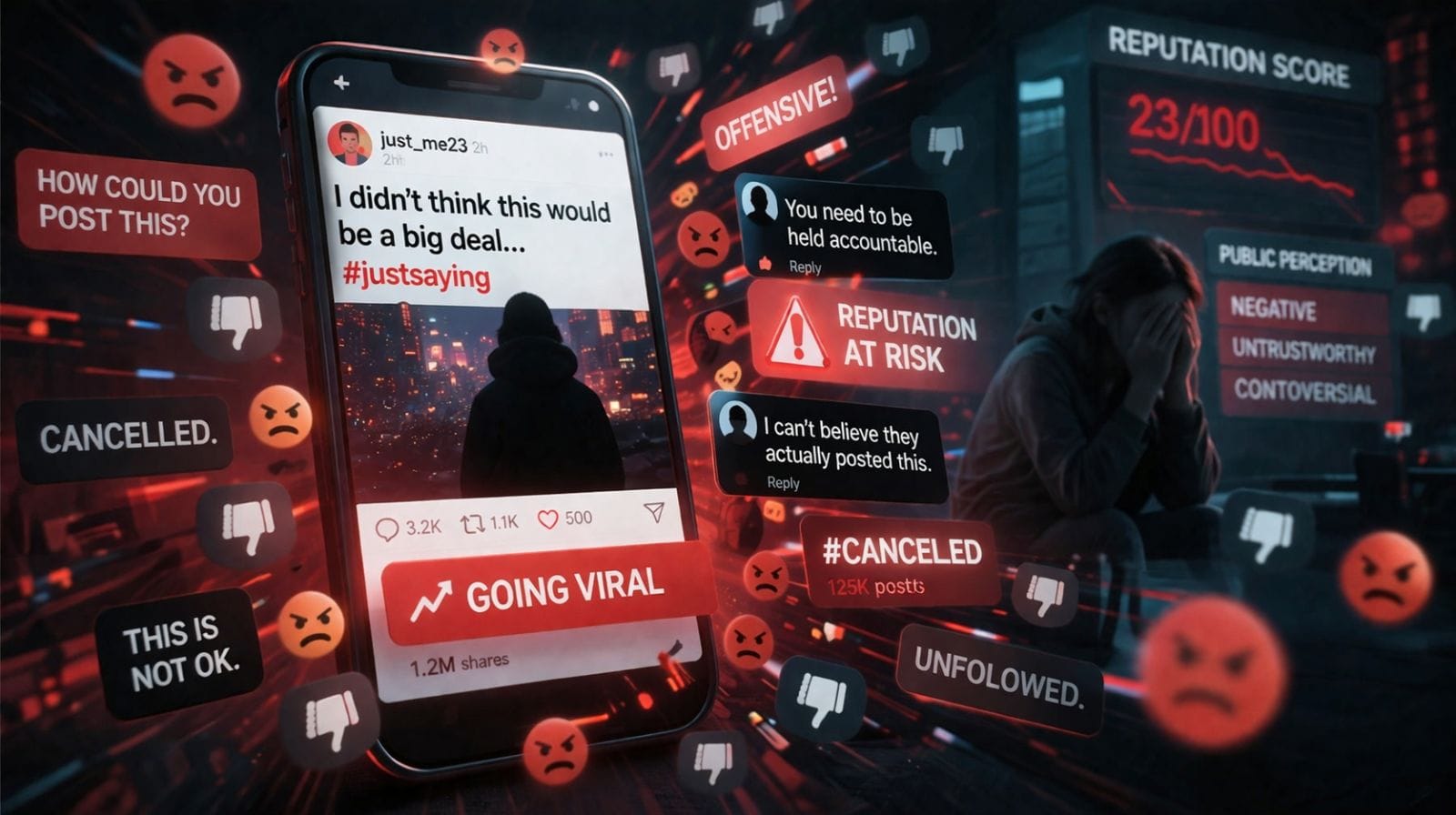
The Threat of a single thoughtless Post.

A post written incorrectly can be viralized in every prescribed sense of the word.

People are considering brands in emotionally colored times. Avoid:

  • Offensive and sarcastic humor or sarcasm.
  • What is known as promotional urgency with news events?
  • Illustrations that are easily misinterpreted during a conflict scenario.


  • Selfish and greedy calls to action.


The Threat of a Single Thoughtless Post
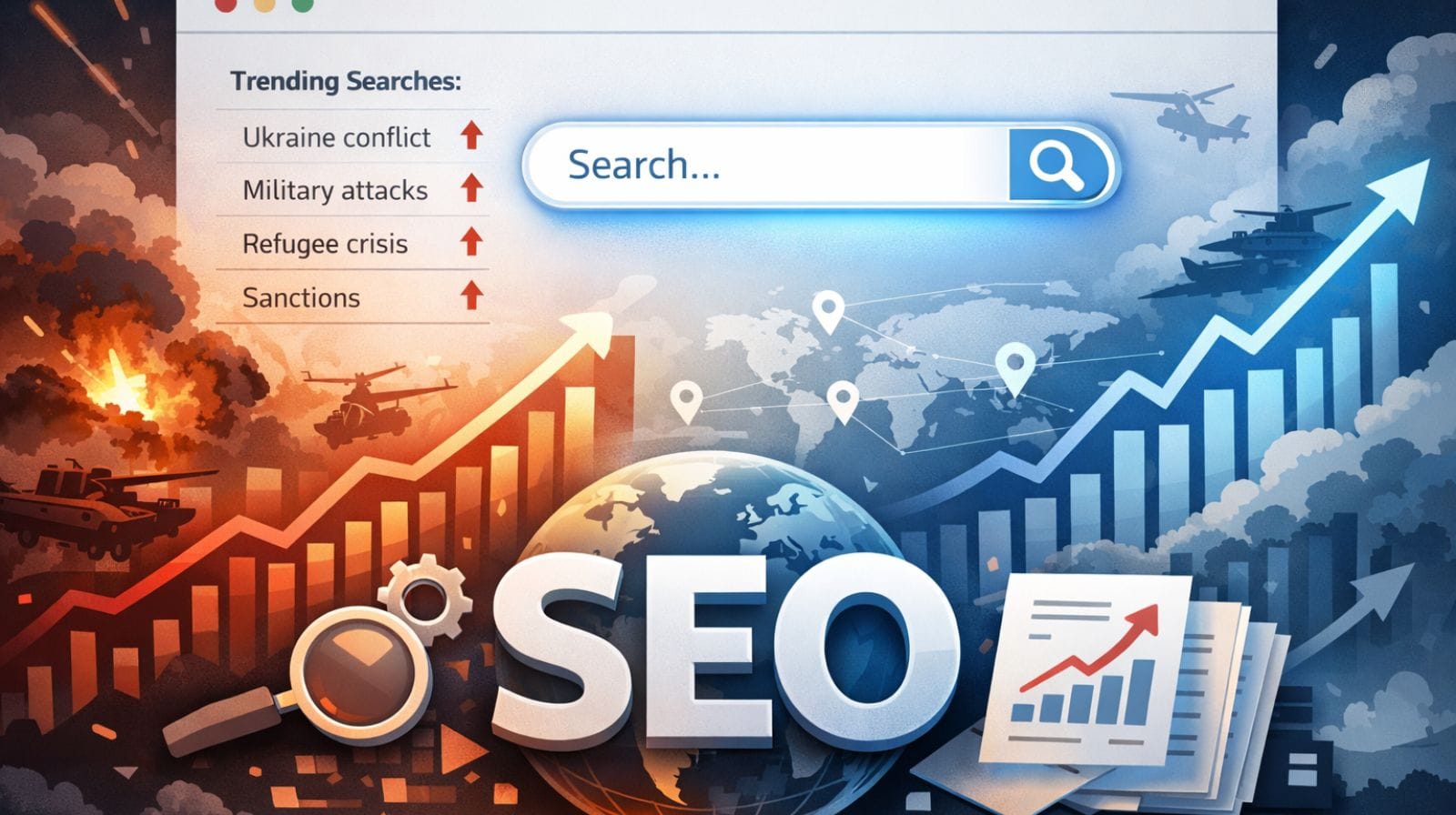
Search Behavior and SEO in the Time of War

Search Behavior and SEO in the Time of War.

The search patterns change radically with the onset of the conflict.

Individuals begin to seek crisis-related information. Commercial search terms that are used daily lose traffic within the affected area.

Some of the frequent searches in times of struggle are such terms as war updates, safety guide, humanitarian assistance, economic implications, and refugee support resources.

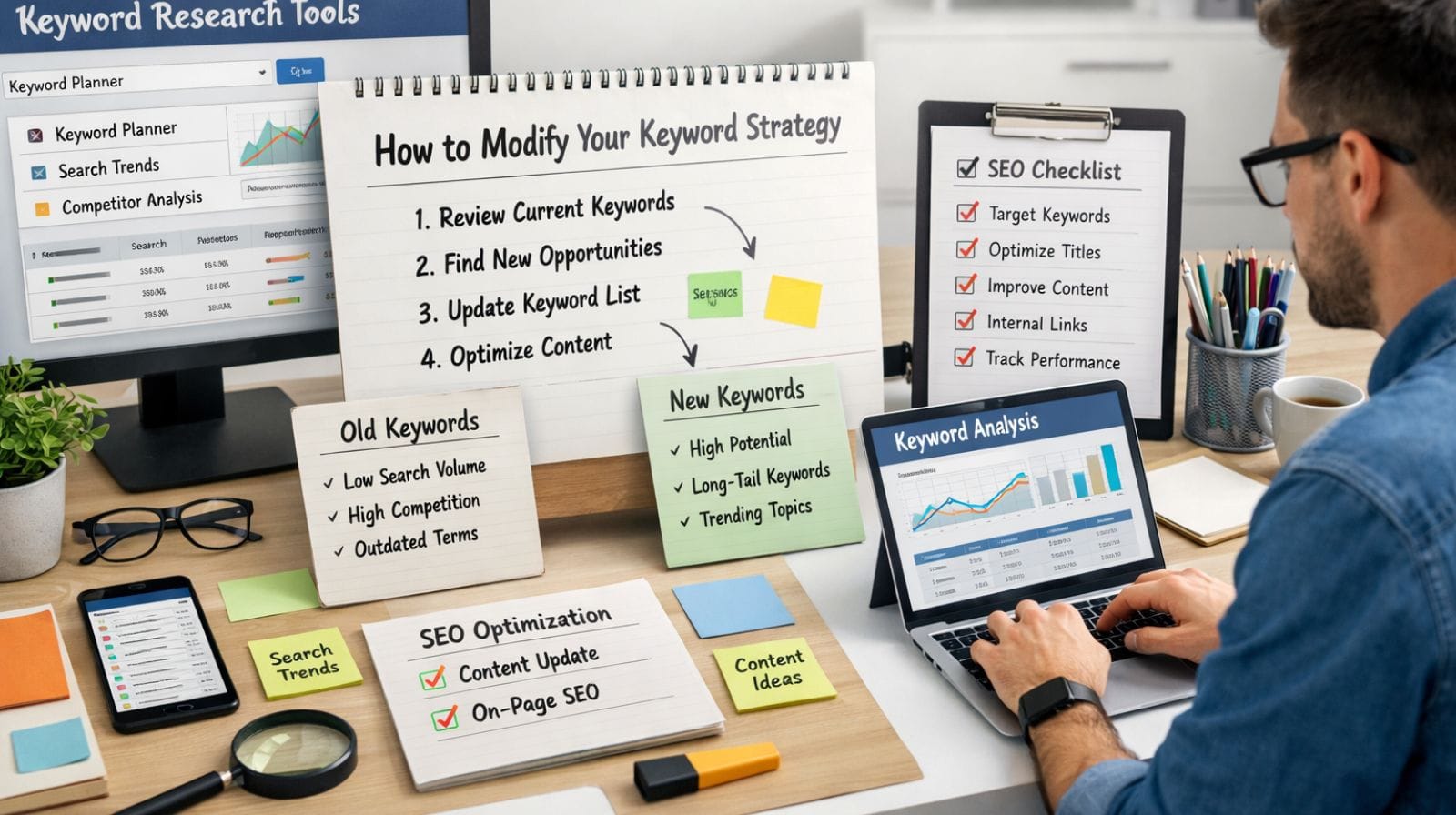
How to Modify Your Keyword Strategy

How to modify your Keyword Strategy.

Brands have to re-examine their mode of SEO.

Commercial keywords that have high volume might be performing poorly in the short run. Informational content, on the other hand, could develop great traction.

The best thing to do is to publish useful, factual, and sympathetic information. It builds authority. Another benefit of it is that it makes your brand a voice you can trust, not only a seller.

Email Marketing: Finding the Programmed Tones.

There is usually a decline in email open rates during crisis times. News notices, safety facts, and emotional messages clutter the inboxes.

But e-mails that actually do the job still do well. All they require is an appropriate strategy.

The difference between what Smart Email Marketers Do and what Marketers Dummies Do.

Your emails have to be valuable- not urgent- in times of conflict.

These are the things to be avoided:

  • The gimmick of heavy discounts that were framed by tragic happenings.
  • False subject lines that use intimidation to open purchases.
  • Sending, like in emotionally sensitive situations, regularly at high frequencies.

Rather, speak understandably. Make your audience know what is happening in your business. Offer helpful resources. Be clear regarding delay or change.

Content Marketing: Changing the Story.

Even content strategies require a complete re-evaluation in times of war.

Blogs on lifestyle, amusing campaigns, and humor-filled pieces of videos are out of place. The viewers are dealing with painful emotional feelings. They prefer material that does not violate that.

As though it hasn’t been said before, Real Content.

Give attention to what truly works for your audience:

Explainers of the industry explain: the conflict that is having on your industry.

Business resilience is an instructional booklet on how corporate entities are able to evolve under stress.

Economic future blogs: what the shakeup could entail in terms of expenditure and expansion.

Links to credible news outlets and aid agencies are known as resource roundups.

Such content establishes trust in the long run. It indicates that your brand realizes the bigger picture.

The Iran-Israel Conflict: A Case Study in Digital Disruption

Local wars that have international spillover effects create waves in the digital markets.

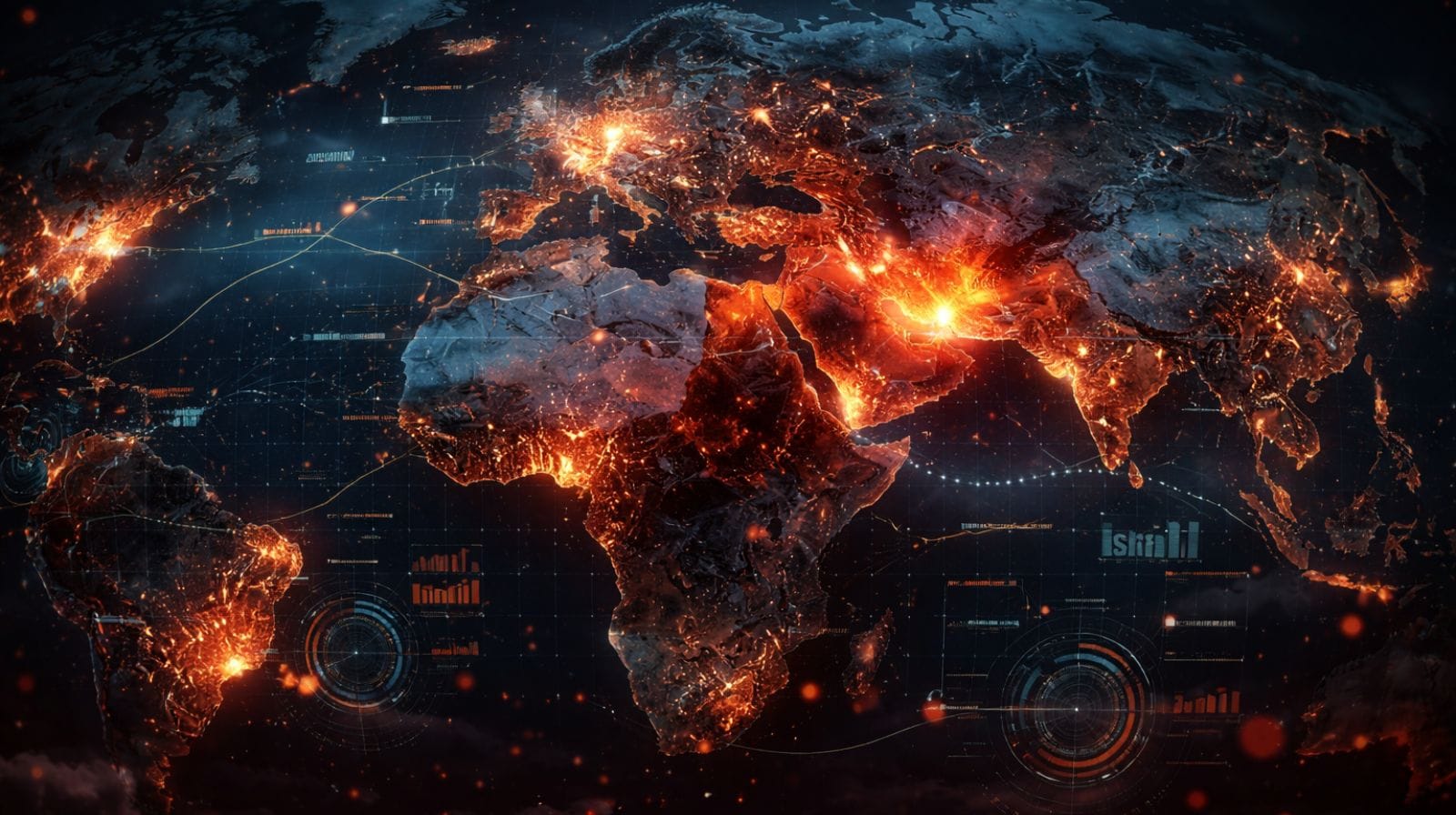
A good example of this is the effect of the Iran-Israel war on digital marketing. The war had rippling effects in areas much beyond the Middle East. International advertisers reduced campaign offers. Technology firms revisited their targeting advertisement rules in the area. There was pressure on social media with regard to the content moderation process.
The Iran-Israel Conflict_ A Case Study in Digital Disruption

The brands working in or close to the affected area were forced to re-evaluate all aspects, such as ad spending, the tone of the content, and even the audience.

Other discussions during the war that were shortened by this conflict include ethical marketing. The marketing community started to ask themselves the following questions: when should you advertise, and when should you remain quiet?


Influencer Marketing13 minutes.

During times of conflict, the campaigns of influencers are usually halted.

The number of influencers who decide to abandon promotional materials is quite high. They do not wish to be linked with selling during a humanitarian crisis.

Some brands pull back. It is inappropriate to send a gifted product to an influencer when there is a trend of war.

Influencer Marketing

Where Micro-Influencers are Yet Effective.

Even smaller influencers who have close communities, based on trust, can be effective micro-influencers.


Particularly when they are posting content of significance, community-based content. They are trustworthy to the audience in that they are authentic and human.

The antonym of authenticity is authenticity. Simulated compassion is detected one second later – and is put to death.

Prolonged Changes After the Cessation of the Conflict

Prolonged Changes After the Cessation of the Conflict.

The digital ecosystem and consumer behavior are forever changed by war.

War does not end with the online marketing effects when the war is over. The following changes tend to change over the long-term:

  • Emerging digital behaviors are established.
  • The trust of the consumers needs to be regained gradually.
  • Priorities of spending become long-lasting.
  • New markets are created in the recovering economies.

Brands that responded empathetically to the crisis are recalled. Companies that were not responsive to the circumstance or misbehaved have a significantly tougher climb to get back.

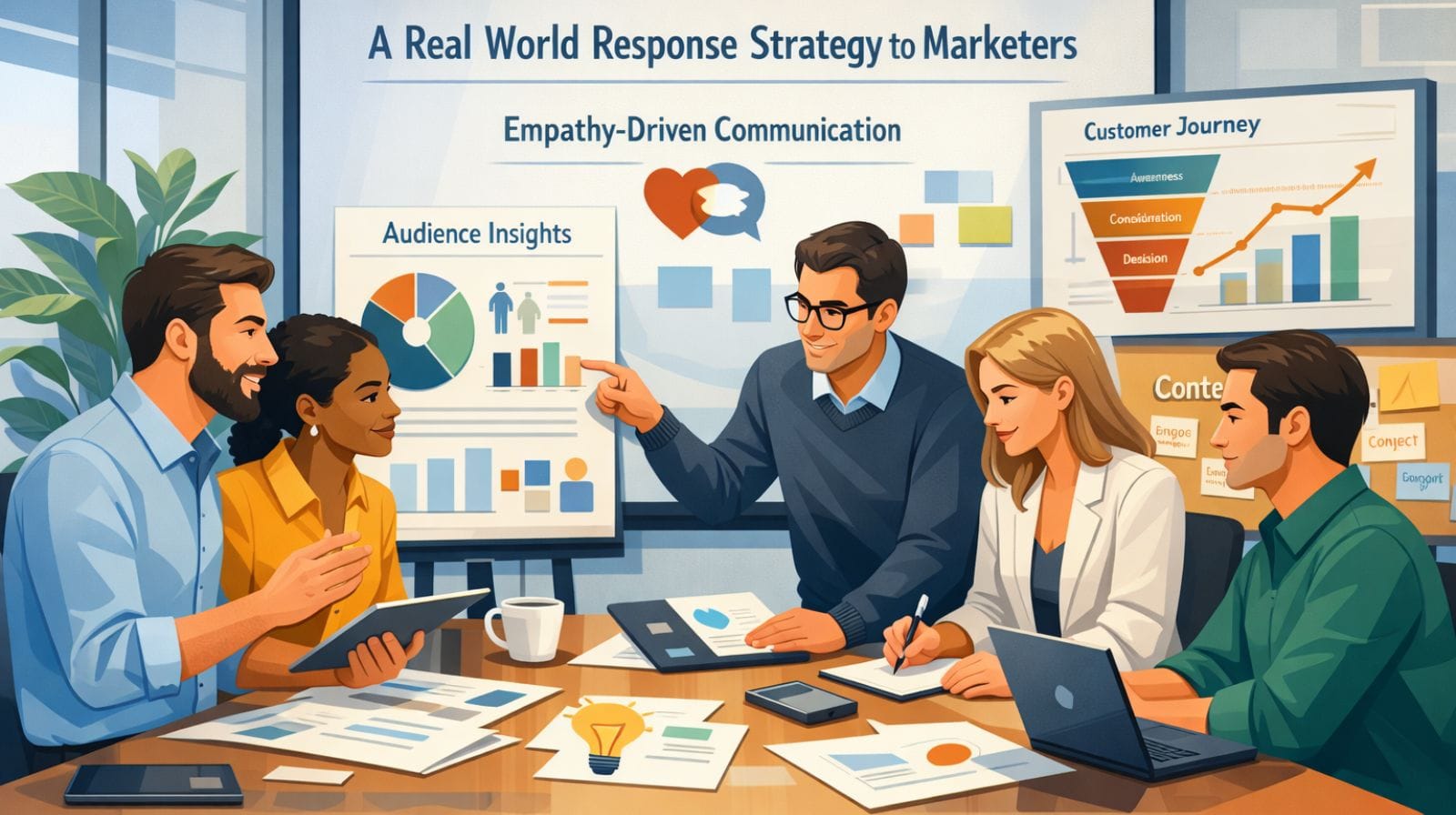
A Real World Response Strategy to Marketers
Prolonged Changes After the Cessation of the Conflict (2)

A Real World response strategy to Marketers.

The following are the steps yet to be taken when conflict strikes your market:

Think before you post. Look at all your content calendar. There is no system that should be operated in default.

Listen first. Monitor your audience. Get a clue about what they are experiencing prior to talking to them.

Lead with empathy. The first communication you make with them should not be about products, but rather about caring for the people.

Be transparent. In case your business is a victim, indicate the same. Audiences appreciate honesty.

Helping where you have to. Brands that support relief or make contributions to charitable agencies develop great loyalty.

Recovery plan. Although the crisis continues, it is time to begin planning for what follows it.

Conclusion

War is unpredictable. Its implications on digital marketing are short-term and long-term.

Nevertheless, the astute marketers who keep up with trends, are compassionate in their decisions, and swift in their adjustments can find their way even in the most challenging conditions.

The winning brands among those that fight are the ones that place people first. They pause. They listen. They serve.

Such marketing is one that generates trust that is here to stay.

FAQs (Frequently Asked Questions)

Not always. However, the messaging needs to be thought through. Non-promotional, helpful, and empathetic advert is generally acceptable.

Not directly. However, it changes the things people are seeking. The material that corresponds to the new search intent is doing better.

The greatest behavioral change is being experienced in the social media sites, particularly those that are news-intensive, such as X and Facebook.

The short-term effects may take place in weeks. Markets can be transformed due to long-term behavior shifts over the years.

Yes. Local brands that speak the truth and benefit their localities preserve their trust and come back quicker.

Need Help?
0
Would love your thoughts, please comment.x
()
x