
Digital marketing has revolutionized the way businesses connect with their audiences, transforming traditional marketing paradigms into dynamic, measurable, and highly targeted campaigns. Whether you’re a business owner, aspiring marketer, or entrepreneur, understanding what can you do with digital marketing is essential in today’s interconnected world. From building brand awareness and driving targeted traffic to generating leads, increasing sales, and creating long-term customer relationships, the possibilities are vast—limited only by creativity, data-driven strategies, and smart execution.
Building Powerful Brand Awareness and Visibility
One of the most fundamental applications of digital marketing is establishing and amplifying brand awareness. Unlike traditional marketing methods that often cast a wide net with uncertain results, digital marketing allows you to strategically position your brand where your target audience spends their time.
Through social media platforms like Instagram, LinkedIn, Facebook, and TikTok, you can create a distinctive brand personality that resonates with your audience. Each platform offers unique opportunities: LinkedIn for B2B professional networking, Instagram for visual storytelling, TikTok for viral creative content, and Facebook for community building. By consistently sharing valuable content, engaging with followers, and showcasing your brand values, you can cultivate a loyal following that extends far beyond geographical boundaries.
Content marketing serves as another powerful tool for brand visibility. By creating blog posts, videos, podcasts, infographics, and other valuable content, you position yourself as an authority in your industry. When potential customers search for solutions to their problems, your content can appear in search results, introducing them to your brand organically. This approach builds trust and credibility, making customers more likely to choose your brand when they’re ready to make a purchase.
Search engine optimization (SEO) ensures your brand appears prominently when potential customers search for relevant keywords. By optimizing your website and content for search engines, you can achieve consistent visibility without paying for each click, creating a sustainable long-term marketing asset.
Driving Targeted Traffic and Generating Quality Leads
Digital marketing excels at attracting the right people to your business. Rather than broadcasting messages to everyone and hoping for the best, you can precisely target individuals based on demographics, interests, behaviors, online activities, and even their stage in the buying journey.
Pay-per-click (PPC) advertising through Google Ads, Facebook Ads, and other platforms allows you to place your offerings directly in front of people actively searching for solutions you provide. The beauty of PPC is its precision—you can target specific keywords, locations, age groups, income levels, and interests, ensuring your marketing budget is spent efficiently on qualified prospects.
Lead generation becomes systematic and scalable with digital marketing. You can create compelling lead magnets—free resources like e-books, webinars, templates, or consultations—that provide value in exchange for contact information. Once you’ve captured leads, marketing automation tools can nurture them through personalized email sequences, gradually building trust and moving them closer to a purchase decision.
Landing pages optimized for conversions can dramatically increase your lead generation success. By creating focused pages that address specific pain points and guide visitors toward a single call-to-action, you can convert a higher percentage of your traffic into leads.
Increasing Sales and Revenue Streams
Perhaps the most compelling answer to “what can you do with digital marketing” is that you can directly increase sales and revenue. E-commerce businesses have flourished thanks to digital marketing strategies that guide customers from awareness to purchase.
Sales funnels—carefully designed sequences that move prospects through stages of awareness, consideration, and decision—can be automated and optimized. You might attract someone with a blog post, capture their email with a free resource, nurture them with valuable emails, and eventually present them with an irresistible offer. Each stage can be tracked and refined for maximum effectiveness.
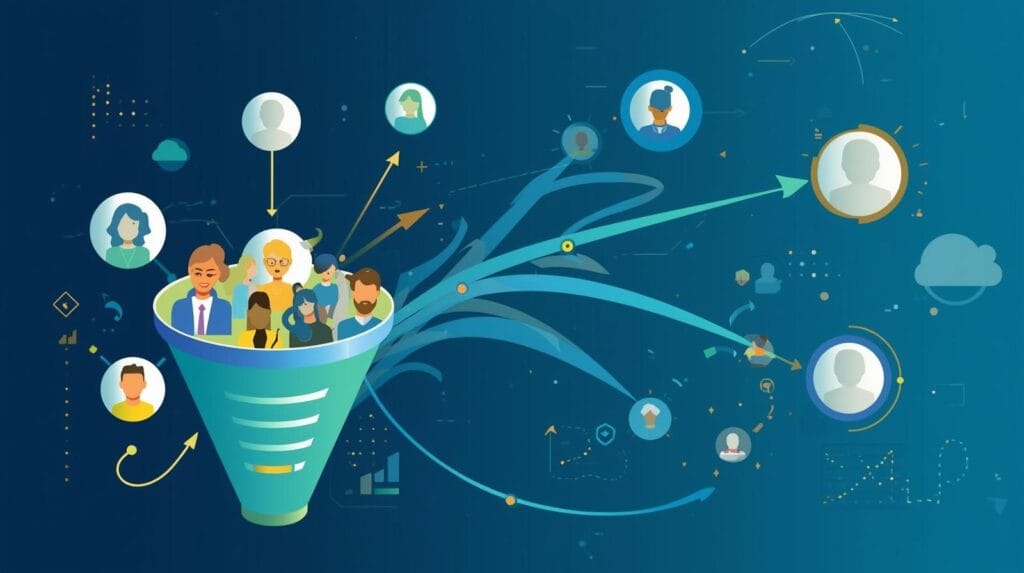
Retargeting campaigns allow you to re-engage people who’ve shown interest in your products but haven’t yet purchased. By displaying targeted ads to these warm prospects as they browse other websites or social media, you stay top-of-mind and can address objections or offer incentives that complete the sale.
Conversion rate optimization (CRO) focuses on increasing the percentage of visitors who take desired actions. Through A/B testing headlines, images, copy, and calls-to-action, you can continuously improve your marketing performance, effectively getting more results from the same traffic.
Engaging and Retaining Valuable Customers
Acquiring new customers is important, but retaining existing ones is often more profitable. Digital marketing provides numerous tools for customer engagement and retention.
Email marketing remains one of the highest-ROI digital marketing channels. Through segmented email campaigns, you can send personalized messages based on customer behavior, preferences, and purchase history. Welcome series, abandoned cart reminders, post-purchase follow-ups, and loyalty rewards programs all strengthen customer relationships and encourage repeat business.
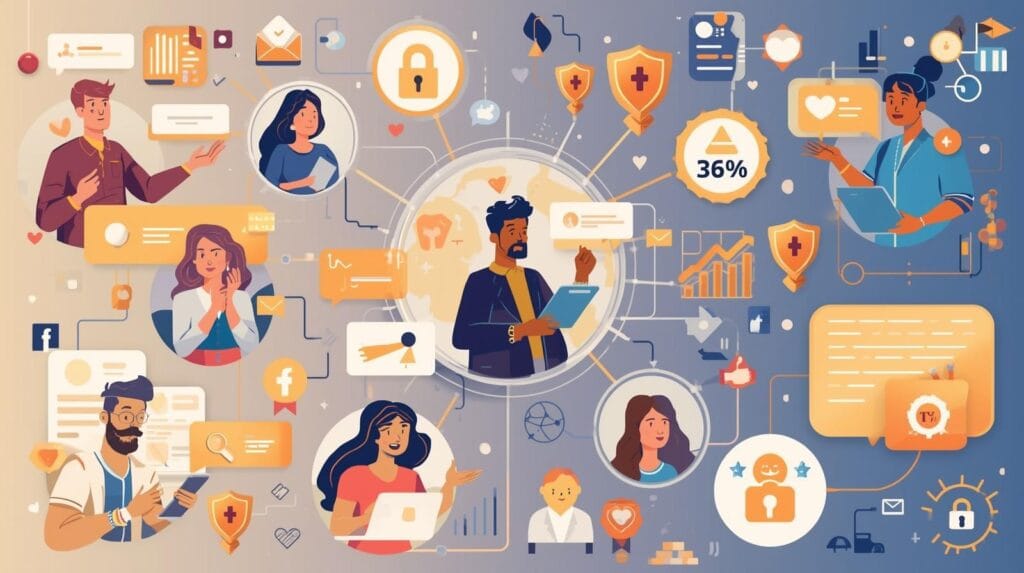
Social media engagement transforms your brand from a faceless entity into a relatable presence. By responding to comments, sharing user-generated content, hosting live sessions, and creating interactive polls or contests, you build a community around your brand. This emotional connection increases customer lifetime value and turns customers into brand advocates.
Personalization has become an expectation rather than a nice-to-have. Digital marketing tools allow you to tailor experiences based on individual behavior—showing product recommendations based on browsing history, customizing website content for returning visitors, or sending birthday discounts. This level of personalization makes customers feel valued and understood.
Analyzing Performance and Making Data-Driven Decisions
Unlike traditional marketing where measuring ROI can be challenging, digital marketing provides unprecedented visibility into campaign performance. Every click, view, conversion, and interaction can be tracked and analyzed.
Google Analytics, social media insights, email marketing metrics, and advertising dashboards provide real-time data on what’s working and what isn’t. You can see which traffic sources generate the most valuable customers, which content resonates most with your audience, what time of day your emails perform best, and countless other insights.
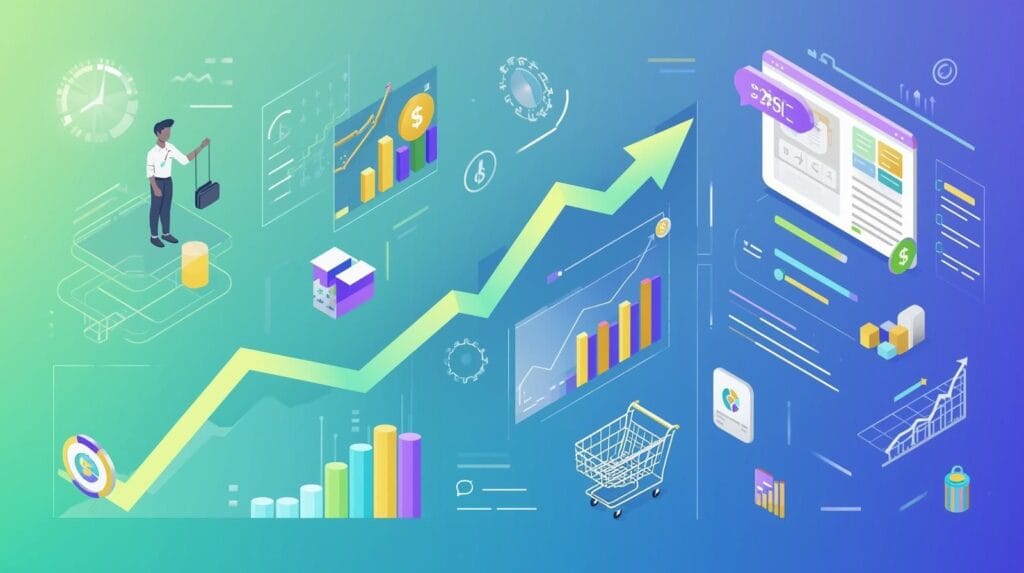
This data empowers you to make informed decisions rather than relying on guesswork. If a campaign isn’t performing, you can identify the problem and adjust quickly. If something is working exceptionally well, you can allocate more resources to maximize results.
A/B testing allows you to systematically improve your marketing by comparing different versions of ads, emails, landing pages, or content. Over time, these incremental improvements compound into significant performance gains.
Creating Career and Business Opportunities
Beyond what digital marketing can do for businesses, it opens substantial career and entrepreneurial opportunities. The demand for skilled digital marketers continues to grow across industries.
Career paths include specializations like SEO specialist, content strategist, social media manager, PPC expert, email marketing specialist, marketing analyst, and chief marketing officer. Each role offers unique challenges and growth potential, with compensation often exceeding traditional marketing positions.
Freelancing in digital marketing provides flexibility and income potential. With a laptop and an internet connection, you can serve clients globally, offering services such as social media management, content creation, ad campaign management, or SEO consulting.

Starting a digital marketing agency allows you to build a scalable business. As you develop expertise and case studies, you can expand your team and serve larger clients, creating a valuable business asset.
You can also use digital marketing skills to launch and grow your own products or services, giving you complete control over your income and lifestyle.
The Future Is Digital
The question “what can you do with digital marketing?” has an ever-expanding answer. As technology evolves with artificial intelligence, voice search, augmented reality, and new platforms, the possibilities multiply. Businesses that embrace digital marketing gain competitive advantages through broader reach, precise targeting, measurable results, and cost-effective scaling.

Whether you aim to grow an existing business, launch a startup, build a personal brand, or establish a rewarding career, digital marketing provides the tools and strategies to achieve your goals. The digital landscape rewards those who are willing to learn, experiment, and adapt. By understanding and leveraging these powerful capabilities, you can create meaningful connections with audiences, drive tangible business results, and thrive in our increasingly digital world.
The real question isn’t what you can do with digital marketing—it’s what you’ll choose to accomplish first.
Frequently Asked Questions (FAQs)
Digital marketing uses sales funnels, retargeting ads, email automation, and conversion optimization to guide potential customers from awareness to purchase, resulting in higher sales and revenue.
Yes, digital marketing is more cost-effective, measurable, and targeted than traditional marketing. It allows businesses to track performance in real time and adjust strategies for better ROI.
Key benefits include global reach, precise audience targeting, measurable results, improved customer engagement, higher conversion rates, and scalable growth opportunities.
Absolutely. Digital marketing enables small businesses to compete with larger brands by targeting specific audiences, managing budgets efficiently, and building strong online visibility.
SEO improves a website’s visibility on search engines, driving organic traffic, building credibility, and delivering long-term results without paying for every click.
Essential skills include SEO, content marketing, social media management, paid advertising, email marketing, analytics, and basic understanding of customer behavior and funnels.
Yes, digital marketing is highly effective for personal branding through content creation, social media presence, SEO, and audience engagement across digital platforms.
Digital marketing is a high-demand career with diverse roles, global opportunities, freelancing potential, and strong income growth across multiple industries.
Results depend on the strategy. Paid ads can show results quickly, while SEO and content marketing typically take 3–6 months for long-term, sustainable growth.